


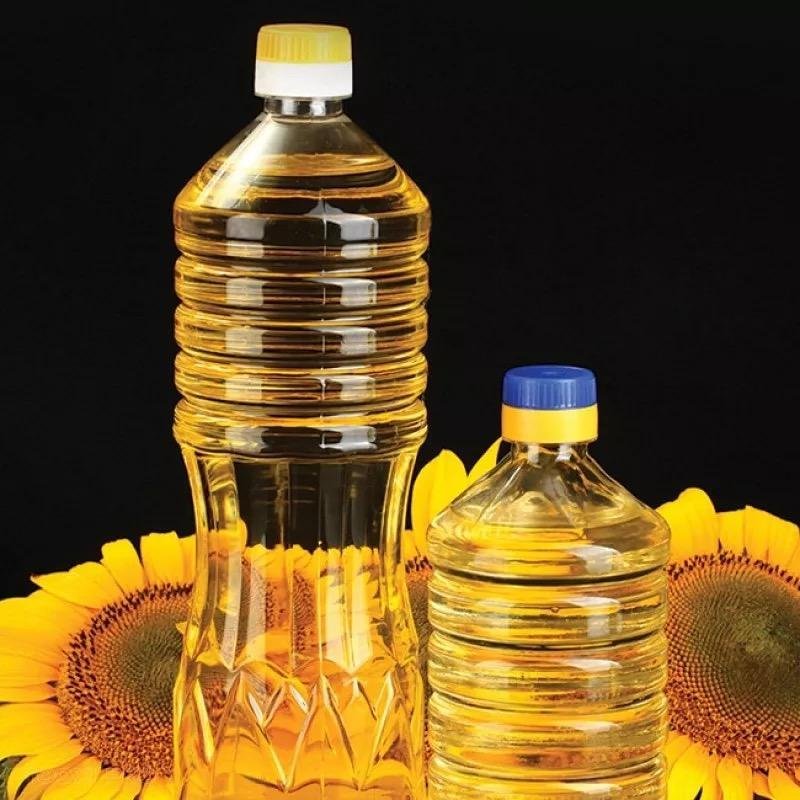
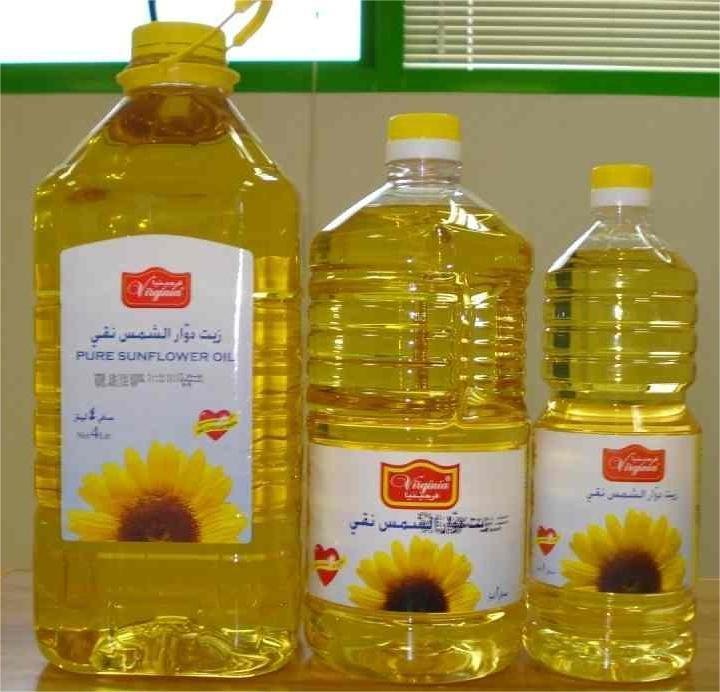
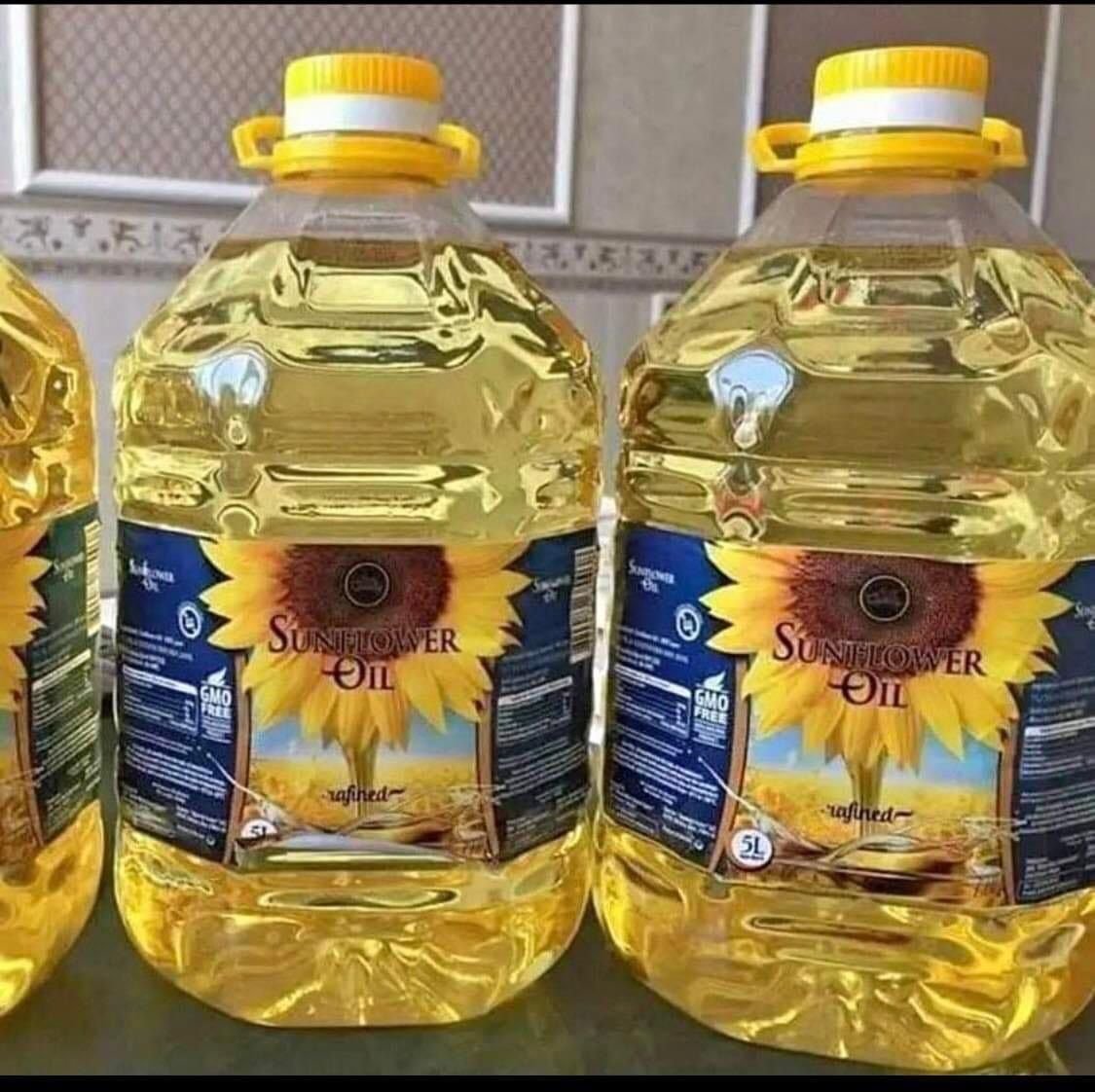
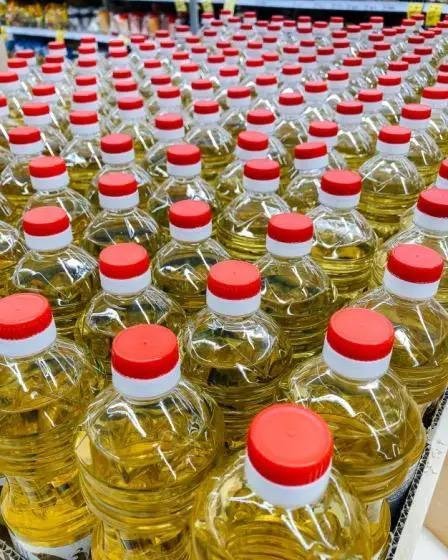
Sunflower oil is a versatile edible vegetable oil obtained from the seeds of Helianthus annuus. It is widely used in household cooking, commercial kitchens, food manufacturing, frying, baking, sauces, dressings, and numerous processed-food applications.
For international buyers, selecting the right edible vegetable oil involves more than comparing prices. Importers and distributors normally consider product grade, quality specifications, packaging, shelf life, documentation, quantity, logistics, and destination-country requirements.
RKGCLDS provides an opportunity for wholesalers, food processors, distributors, restaurants, retailers, catering businesses, and international commodity buyers to discuss their sourcing requirements.
For company information and commercial inquiries, visit the official RKGCLDS website: RKGCLDS Official Website.
2. What Is Sunflower Oil?
Sunflower oil is produced from sunflower seeds through an extraction process. Depending on the intended grade, the extracted oil may undergo refining and purification processes designed to achieve the required colour, flavour, odour, stability, and other commercial characteristics.
The Codex Standard for Named Vegetable Oils identifies sunflowerseed oil as oil derived from the seeds of Helianthus annuus. Codex also recognizes high-oleic sunflowerseed oil as a distinct category produced from high-oleic sunflower varieties.
This distinction is important for international buyers because different applications can require different specifications. A buyer should therefore identify the required grade before placing a commercial order.
For procurement purposes, buyers can request a product specification and, where applicable, a Certificate of Analysis (COA) confirming the characteristics agreed for the shipment.
3. Product Characteristics
Quality and consistency are essential when purchasing edible vegetable oil for commercial use.
Depending on the agreed grade, buyers may evaluate:
- Appearance
- Colour
- Odour
- Taste
- Moisture and volatile matter
- Insoluble impurities
- Free fatty acids
- Acid value
- Peroxide value
- Fatty-acid composition
- Packaging condition
- Shelf-life information
- Country of origin
- Certificate of Analysis
Codex reference criteria for named vegetable oils include quality factors such as volatile matter, insoluble impurities, soap content, iron, copper, acid value, and peroxide value. For example, its appendix gives a maximum acid value of 0.6 mg KOH/g for refined oils and a maximum peroxide value of 10 milliequivalents of active oxygen/kg for refined oils. These are reference criteria and should not replace the specification agreed for a particular shipment.
A commercial buyer should always confirm the exact product specification before purchase.
4. Quality and Food-Safety Standards
Food safety is a fundamental consideration in the international edible-oil trade. Suppliers and buyers should establish appropriate quality-control procedures covering production, packaging, storage, transportation, and delivery.
Codex recommends that products covered by its named vegetable-oil standard be prepared and handled in accordance with relevant food-hygiene principles and applicable Codex texts.
For buyers, this means that quality should be considered throughout the complete supply chain rather than only when the product reaches the destination.
RKGCLDS can discuss documentation and quality requirements with buyers according to the proposed transaction. Depending on the destination and contract, documentation may include:
- Commercial invoice
- Packing list
- Certificate of Analysis
- Certificate of Origin, where applicable
- Bill of Lading or other transport documentation
- Product specification
- Inspection documentation, where required
- Other documents requested by the importing country or buyer
Buyers should confirm destination-specific regulatory requirements with their customs broker or relevant food authorities.
5. Main Applications
Sunflower oil is widely valued for its versatility in food preparation and manufacturing.
Cooking
It can be used for everyday cooking, sautéing, roasting, and other food-preparation activities. Its relatively neutral sensory profile makes it suitable for recipes where the oil should not dominate the flavour of the finished food.
Frying
Commercial kitchens, restaurants, caterers, food-service operators, and food manufacturers may use sunflower-based cooking oils for frying applications according to the specifications of the selected grade.
Baking
The product can be incorporated into various baking formulations, including cakes, pastries, breads, mixes, and other commercially prepared foods.
Salad Dressings
Its neutral character can make it suitable for salad dressings, sauces, marinades, and emulsified food products.
Food Manufacturing
Manufacturers can use it as an ingredient in processed-food formulations. The precise grade should be selected according to the technical requirements of the finished product.
6. Sunflower Oil for Food Processing
Food processors require reliable ingredients that can perform consistently from one production cycle to another.
Sunflower oil can be incorporated into a variety of food-processing applications, including:
- Snack foods
- Baked products
- Sauces
- Mayonnaise
- Dressings
- Margarine formulations
- Prepared foods
- Fried foods
- Convenience foods
- Food-service products
High-oleic sunflower oil represents a separate category and may be selected for applications where the buyer specifically requires a high-oleic fatty-acid profile. Codex identifies high-oleic sunflower oil as a product produced from high-oleic sunflower varieties.
Buyers should not assume that every grade has identical technical characteristics. The desired grade should be stated clearly in the purchase inquiry.
7. Bulk and Wholesale Supply
RKGCLDS can position its sunflower oil supply for international wholesalers, distributors, importers, supermarkets, food manufacturers, restaurants, catering companies, and other commercial users.
Bulk purchasing can provide businesses with a practical way to manage recurring requirements, particularly when the buyer has established warehouse and distribution infrastructure.
When requesting a wholesale quotation, buyers should provide:
- Required quantity
- Preferred product grade
- Packaging format
- Destination country
- Destination port
- Required delivery schedule
- Documentation requirements
- Inspection requirements
- Preferred payment terms
- Applicable shipping terms
Providing complete information at the quotation stage helps the supplier understand the transaction and prepare a more accurate commercial offer.
8. Packaging Options
Packaging should be selected according to the buyer’s intended market, storage facilities, transportation method, and sales channel.
Possible commercial formats may include:
- Retail bottles
- Food-service containers
- Plastic jerrycans
- Drums
- Bulk containers
- Flexitanks
- Tanker shipments
Actual packaging availability, dimensions, minimum order quantities, and loading arrangements should be confirmed with RKGCLDS before purchase.
Proper packaging helps protect edible vegetable oil from contamination, leakage, handling damage, and unsuitable environmental exposure.
For retail distribution, buyers may prioritize convenient bottle sizes and attractive labelling. For industrial customers, larger containers or bulk shipment formats may be more economical.
9. Benefits for Commercial Buyers
Choosing a reliable vegetable-oil supplier can help businesses manage procurement more efficiently.
Important commercial advantages include:
Consistent Supply
A dependable supply arrangement can help wholesalers and food manufacturers plan inventory more effectively.
Flexible Procurement
Buyers can communicate their desired quantity and packaging requirements before receiving a quotation.
Multiple Applications
The product can serve cooking, frying, baking, food manufacturing, catering, and food-service applications.
Export Potential
Proper documentation and logistics planning can support international commodity transactions.
Commercial Communication
Clear communication between buyer and supplier helps establish product specifications, delivery expectations, and contractual requirements before shipment.
10. Storage and Transportation
Proper storage is important for maintaining the quality of edible vegetable oil.
Storage areas should be:
- Clean
- Dry
- Suitable for food products
- Protected from contamination
- Properly ventilated where appropriate
- Organized for effective stock rotation
Containers should remain properly sealed and should be protected from conditions that could negatively affect product quality.
Buyers should minimize unnecessary exposure to excessive heat, air, light, moisture, and contaminants. Storage and transportation conditions should always follow the product-specific instructions supplied by the manufacturer or exporter.
For warehouses, first-in, first-out stock rotation can help businesses manage inventory systematically.
During international transportation, packaging should be selected according to the shipment method and destination. Bulk shipments require appropriate equipment, handling procedures, and documentation.
11. International Export and Documentation
International trade requires careful preparation.
Before purchasing sunflower-based edible oil, an importer should verify:
- Product specification
- Supplier information
- Quantity
- Packaging
- Country of origin
- Shipping method
- Port of loading
- Destination port
- Import regulations
- Customs requirements
- Food-safety requirements
- Certificate requirements
- Payment terms
- Delivery terms
The buyer and seller should agree on commercial terms before shipment.
Where necessary, buyers may also arrange third-party inspection or laboratory testing. This can be particularly useful for larger consignments or new supplier relationships.
Codex provides internationally recognized reference standards for named vegetable oils, but importers should also check the specific laws and regulations of their destination market.




Reviews
There are no reviews yet.