
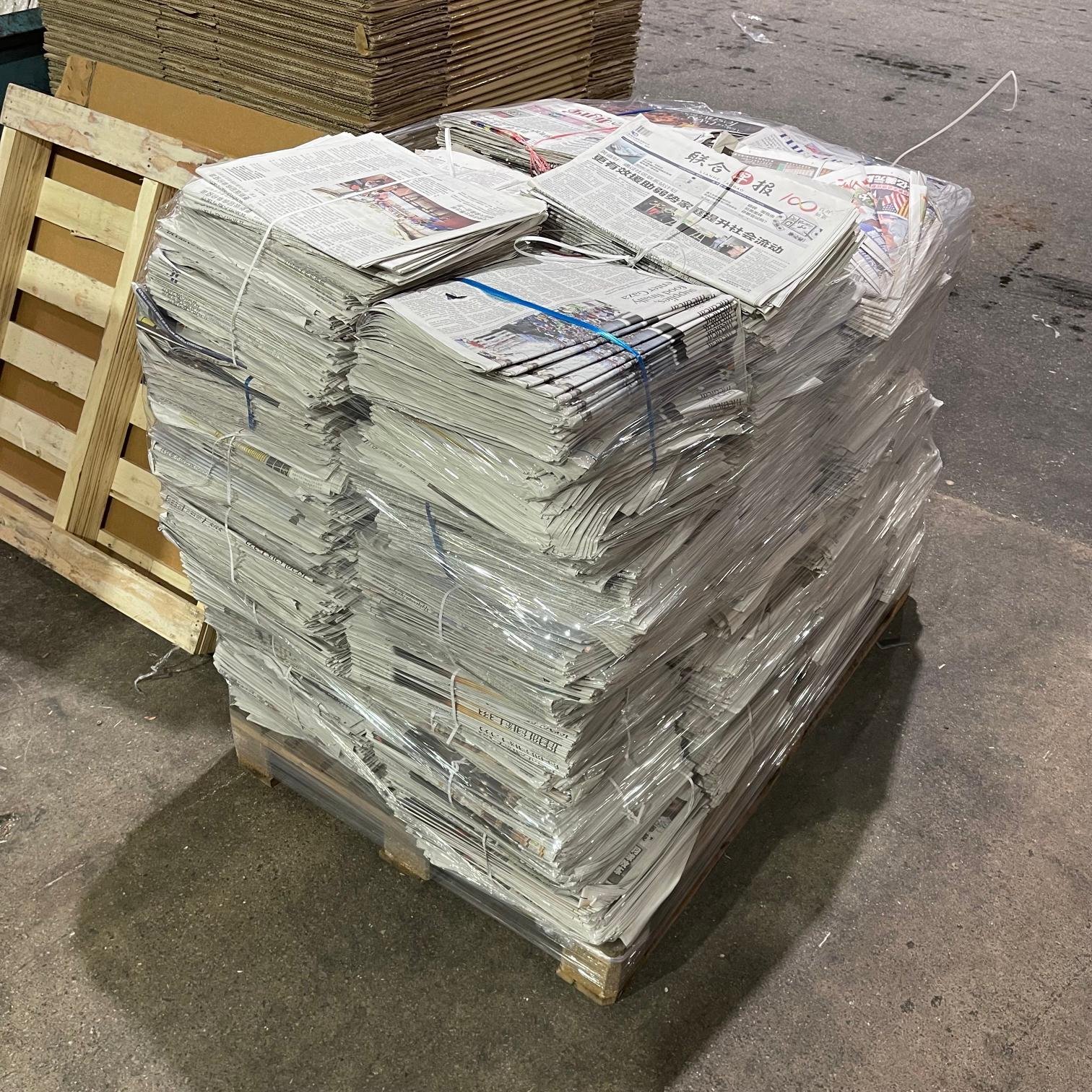
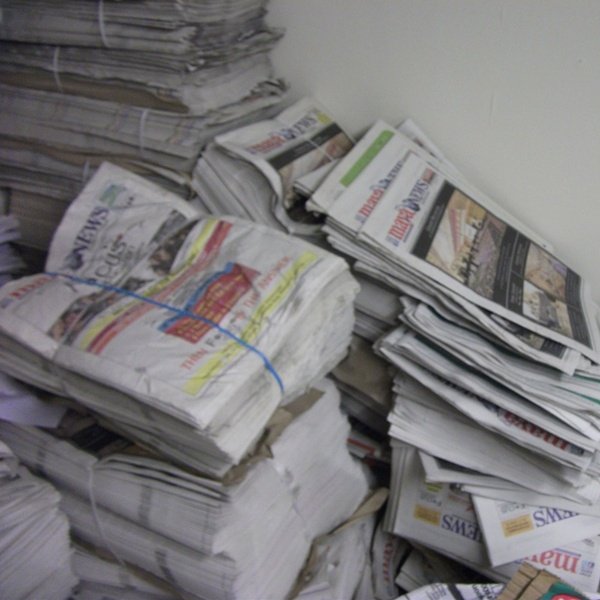
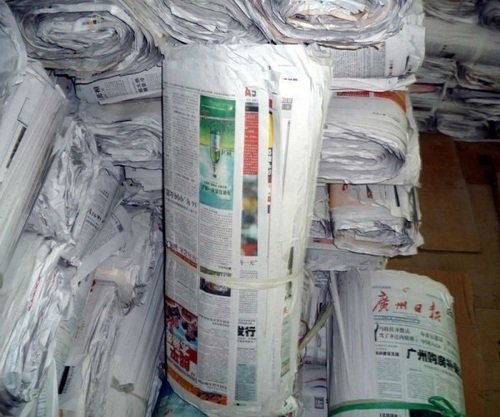
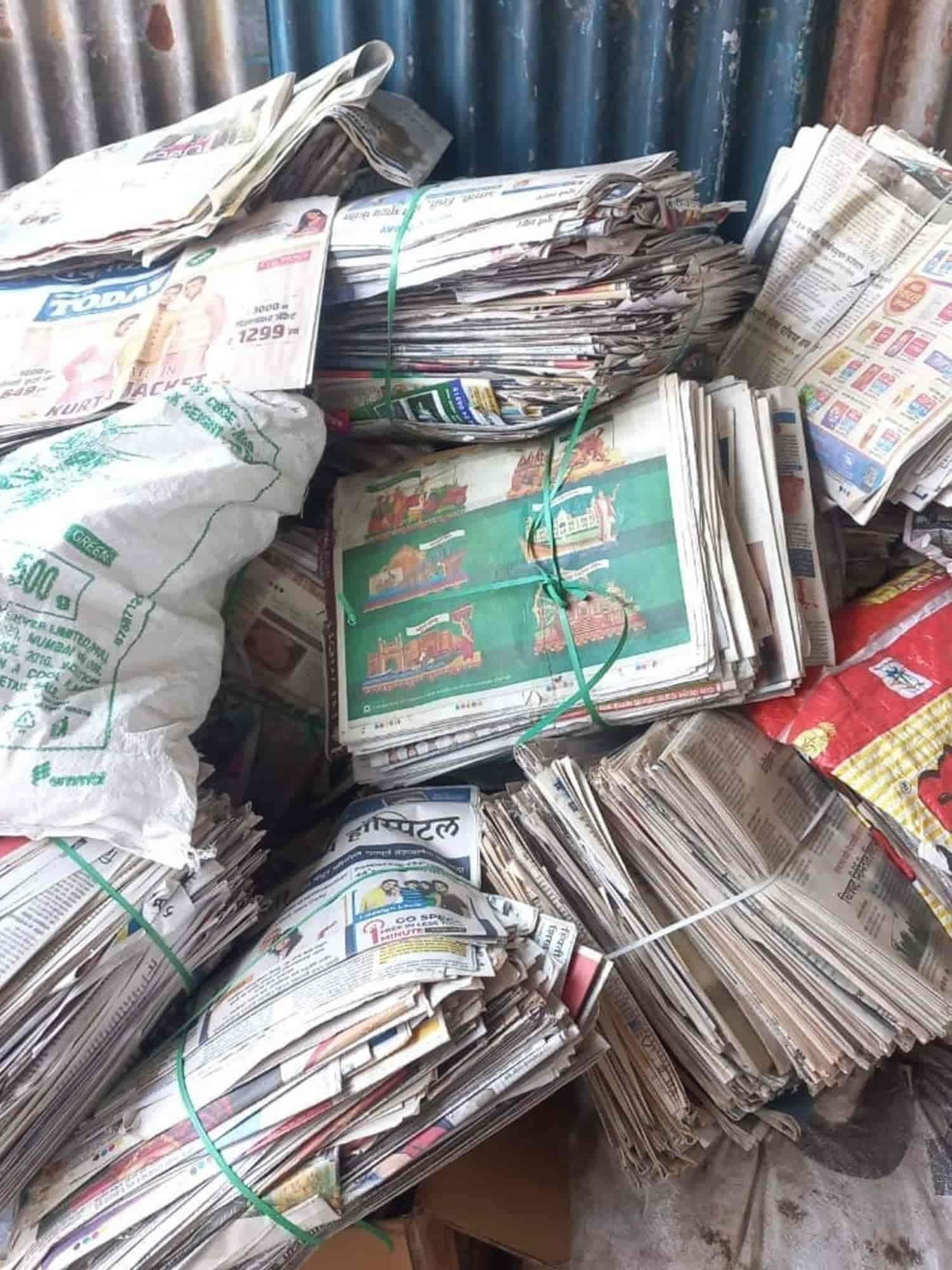
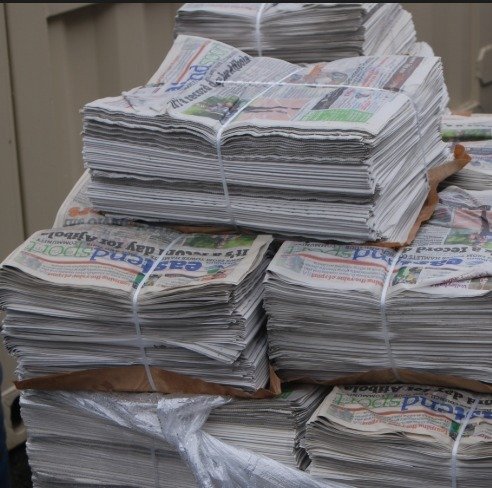
Over-Issue Newspaper Scraps are a valuable recovered-paper material generated from unused or overrun newspapers printed on newsprint. Unlike ordinary used newspapers collected after reading, over-issue material generally refers to newspapers that were printed but were not distributed or sold. This makes the material particularly attractive to recycling businesses and paper mills looking for relatively clean newsprint feedstock.
What Are Over-Issue Newspaper Scraps?
Over-issue newspapers are newspapers produced in quantities greater than the number required for distribution or sales. Instead of allowing these unused publications to become landfill waste, they can be recovered and supplied as a recyclable fiber resource.
This category is commonly identified in the recovered-paper industry as OINP, OIN, OI, or Over-Issue News. The material is normally composed primarily of newsprint and can be supplied in loose form, bundles or compressed bales depending on the seller’s preparation system and buyer’s requirements.
The principal value of this material comes from its recoverable paper fiber. Once delivered to an appropriate recycling facility, the newspapers can be sorted, processed and pulped for use in manufacturing recycled paper products.
The material is therefore relevant to:
- Paper recycling companies
- Recovered paper traders
- Pulp and paper mills
- Newsprint manufacturers
- Tissue manufacturers
- Paperboard producers
- Recycling facilities
- Industrial fiber processors
- Sustainable manufacturing companies
- International commodity buyers
RKGCLDS can discuss bulk requirements with buyers looking for newspaper scrap for sale, recycled newsprint and other recovered-paper materials.
3. Product Characteristics
The primary characteristic of this material is that it is based on unused or overrun newsprint. Because the newspapers have generally not undergone normal consumer use, the material can offer a different quality profile from ordinary post-consumer old newspapers.
Typical product characteristics may include:
- Newsprint-based material
- Unused or overrun newspaper
- Sorted paper stock
- Recyclable fiber
- Suitable for recovered-paper processing
- Bulk commercial availability
- Baled or bundled presentation
- Export-oriented preparation
- Low foreign-material content when properly sorted
- Moisture controlled according to contractual requirements
However, exact specifications can vary by shipment, source, collection method and buyer agreement. Buyers should therefore request a current specification sheet before finalizing a purchase.
ISRI notes that paper stock is a secondary material and that individual grade definitions may not address every processing method. It recommends that specific requirements be discussed between buyers and sellers during negotiations.
4. Quality and Sorting Standards
Quality is one of the most important considerations when purchasing Over-Issue Newspaper Scraps in commercial quantities.
Proper sorting helps minimize unwanted materials and supports efficient recycling operations. Buyers should establish acceptable levels of moisture, foreign material, prohibited material, outthrows, paper composition and packaging before shipment.
For OI/OIN grade, ISRI’s 2023 paper-stock specifications describe the grade as unused, overrun newspapers printed on newsprint and specify no permitted prohibitive materials and no permitted outthrows plus prohibitives.
RKGCLDS recommends confirming the following parameters for every commercial order:
Paper Composition
The buyer and seller should agree on the expected percentage of newspaper/newsprint material and any acceptable additional paper.
Foreign Materials
Plastic, metal, food waste, glass, textiles, wood and other unrelated materials can interfere with recycling operations. Clean sorting is therefore essential.
Moisture
Moisture affects shipment weight, storage, handling and recycling efficiency. ISRI’s 2023 guidelines state that paper should be packed dry, with 12% identified as the maximum dry limit, while also noting that buyer and seller should agree on moisture percentage and testing method.
Outthrows and Prohibitives
These should be evaluated according to the agreed commercial specification. Contract terms should clearly state acceptable tolerances and inspection procedures.
5. Technical Specifications
The following specification framework can be used when discussing an Over-Issue Newspaper Scraps purchase:
| Parameter | Typical Commercial Requirement |
|---|---|
| Product | Over-Issue Newspaper |
| Common Grade | OI / OIN / OINP |
| Material | Unused or overrun newsprint |
| Main Fiber | Newspaper/newsprint |
| Condition | Sorted and recyclable |
| Prohibitive Materials | As agreed; OI/OIN ISRI grade specifies none permitted |
| Outthrows | As agreed; OI/OIN ISRI grade specifies none permitted |
| Moisture | Buyer/seller agreed specification; ISRI dry limit reference is 12% |
| Packaging | Bundles or compressed bales |
| Bale Weight | According to buyer/seller agreement |
| Loading | Containerized bulk shipment |
| Inspection | Pre-shipment inspection available by agreement |
| Documentation | Commercial and shipping documents as applicable |
| End Use | Recycling, pulping and paper manufacturing |
Recycling and Industrial Applications
The principal application of Over-Issue Newspaper Scraps is recycling.
Recovered newsprint can be processed at suitable facilities to recover usable fiber. Depending on the mill’s technology and final product requirements, recovered newspaper can contribute to the production of new paper and other fiber-based products.
Potential applications include:
Recycled Newsprint
Recovered newspaper fiber can be used as a raw material in appropriate recycled newsprint manufacturing processes.
Tissue and Hygiene Paper
Certain recovered paper grades can serve as fiber inputs for tissue-related production, subject to mill specifications and processing requirements.
Paperboard and Packaging
Recovered fibers can contribute to paperboard and other paper-based products depending on fiber quality, de-inking requirements and mill formulation.
Pulp Manufacturing
The material can be supplied to recycling facilities where it is processed into pulp for subsequent manufacturing applications.
Fiber Recovery
The material provides an opportunity to extend the useful life of paper fibers rather than immediately sending recoverable material to disposal.
The exact end use depends on the purchasing mill, its pulping process, equipment, contamination tolerance and product requirements.
7. Benefits for Paper Mills
Buying recovered newspaper can provide several potential advantages for qualified paper manufacturers.
Recovered Fiber Resource
Instead of relying entirely on virgin fiber, paper manufacturers can incorporate suitable recovered paper into their raw-material mix.
Consistent Feedstock Planning
Contracted bulk supply can help mills plan their recovered-paper procurement requirements.
Resource Efficiency
Recycling allows paper fibers to remain within the production system for additional useful cycles.
Potential Cost Efficiency
Recovered-paper pricing can provide an alternative raw-material option, although actual economics depend on market conditions, freight, quality and mill requirements.
Sustainable Manufacturing
Using recovered material supports circular approaches to material management.
The U.S. EPA explains that recycling can conserve natural resources, save energy and reduce material sent to landfills and incinerators.
8. Environmental Advantages
The environmental value of Over-Issue Newspaper Scraps comes from transforming an unwanted paper stream into a usable secondary raw material.
Paper recycling can reduce pressure on disposal systems while supporting the continued use of recovered fiber. EPA notes that recycling conserves resources and can reduce waste and pollution.
EPA’s material-specific data also show the scale of paper recovery: in 2018, approximately 46 million tons of paper and paperboard were recycled in the United States, representing a recycling rate of 68.2%. Newspapers had a reported recycling rate of 64.8% in that dataset.
These figures demonstrate why recovered paper remains an important commodity for the recycling economy.
Using newspaper scrap as a secondary fiber source can support:
- Waste reduction
- Resource conservation
- Circular material flows
- Fiber recovery
- Recycling industry development
- Reduced dependence on disposal
- Sustainable manufacturing objectives
Environmental claims should nevertheless be evaluated according to the actual recycling process, transportation distance, energy consumption and final application.
9. Packaging, Baling and Shipping
Efficient packaging is essential for international newspaper scrap export.
Recovered newspaper is generally compressed into manageable bundles or bales to increase transportation efficiency and simplify handling. Commercial examples in the international market show bale weights ranging from small bundles to industrial bales, depending on supplier and buyer requirements.
For RKGCLDS transactions, buyers should confirm:
- Bale or bundle weight
- Bale dimensions
- Number of bales per container
- Estimated container tonnage
- Moisture specification
- Loading method
- Container type
- Port of loading
- Destination port
- Required documentation
Export loads should be prepared securely so that the material remains protected during handling and transportation.
The final packing configuration should always be agreed before loading because container capacity depends on bale density, dimensions, equipment and shipping requirements.
10. Quality Control and Inspection
A professional recovered paper supplier should establish a clear quality-control process.
Quality control can include visual inspection, sorting verification, moisture checks, contamination assessment and documentation review.
Visual Inspection
The material should be checked for excessive dirt, damaged paper, unwanted materials and obvious contamination.
Moisture Testing
Moisture can be checked according to a mutually agreed procedure. ISRI recommends that the buyer and seller agree in advance on the moisture percentage and testing method.
Bale Inspection
Bales should be examined to confirm that packaging and tying are suitable for handling and transportation.
Pre-Shipment Inspection
Where requested, buyers may arrange an independent inspection according to the terms of the purchase contract.
Documentation
Commercial documentation should correspond with the actual material, agreed quantity, packaging and shipping arrangements.
Clear specifications reduce misunderstandings and help both parties manage international transactions professionally.
11. International Wholesale Supply
The international waste paper market connects recyclers, paper mills, traders and manufacturers across multiple regions.
For buyers purchasing in container quantities, important considerations include:
- Available monthly volume
- Product grade
- Source
- Quality
- Moisture
- Bale density
- Container loading
- Shipping route
- Incoterms
- Payment terms
- Inspection requirements
- Export documentation
RKGCLDS is positioned to communicate with commercial buyers interested in bulk recovered-paper procurement.
Prospective buyers should provide their target grade, quantity, destination, packaging preference and required specification so that a suitable commercial proposal can be prepared.



Reviews
There are no reviews yet.