
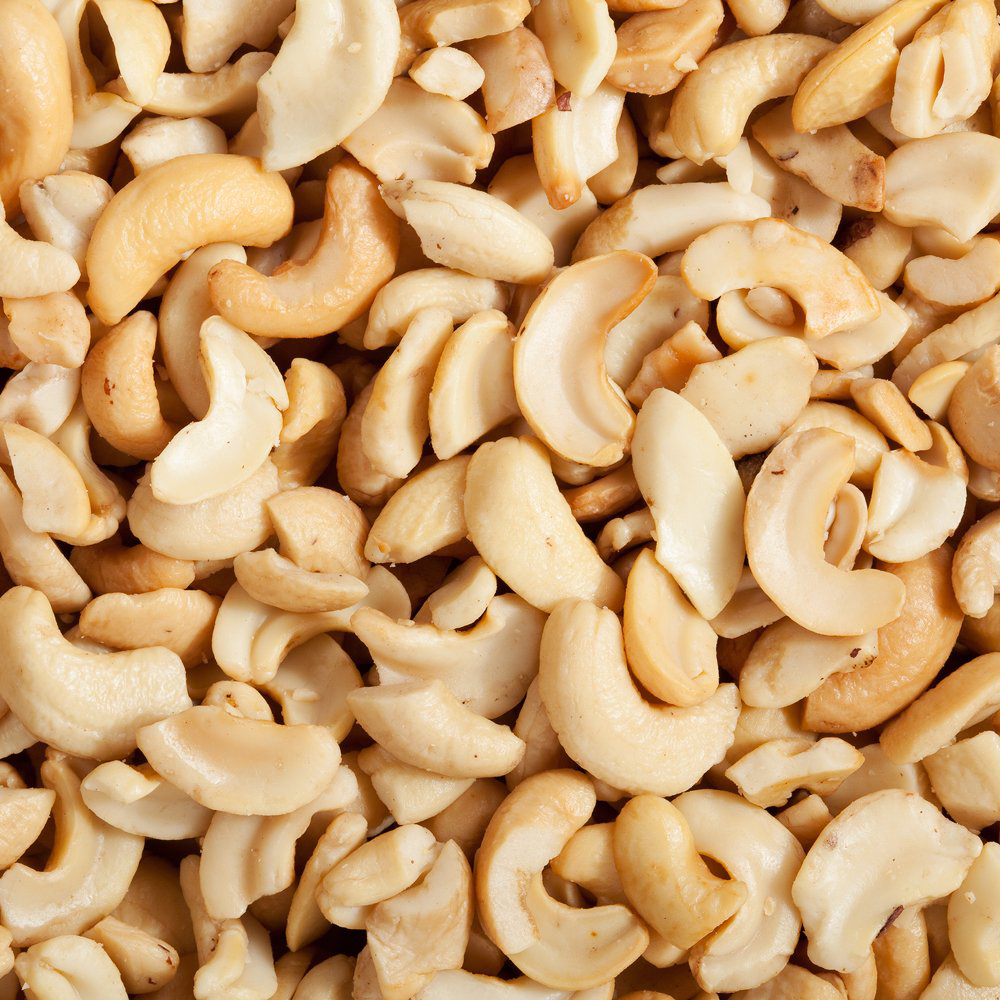
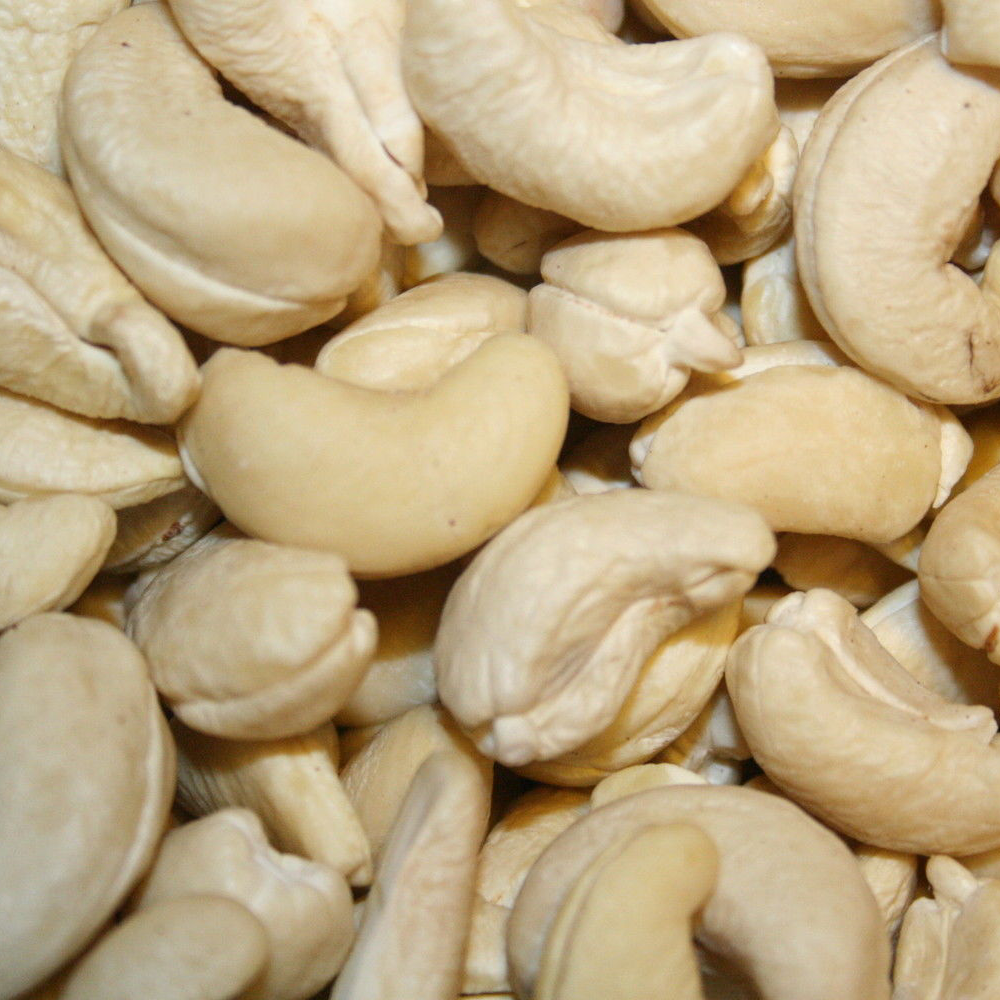
What Are Cashew Nuts?
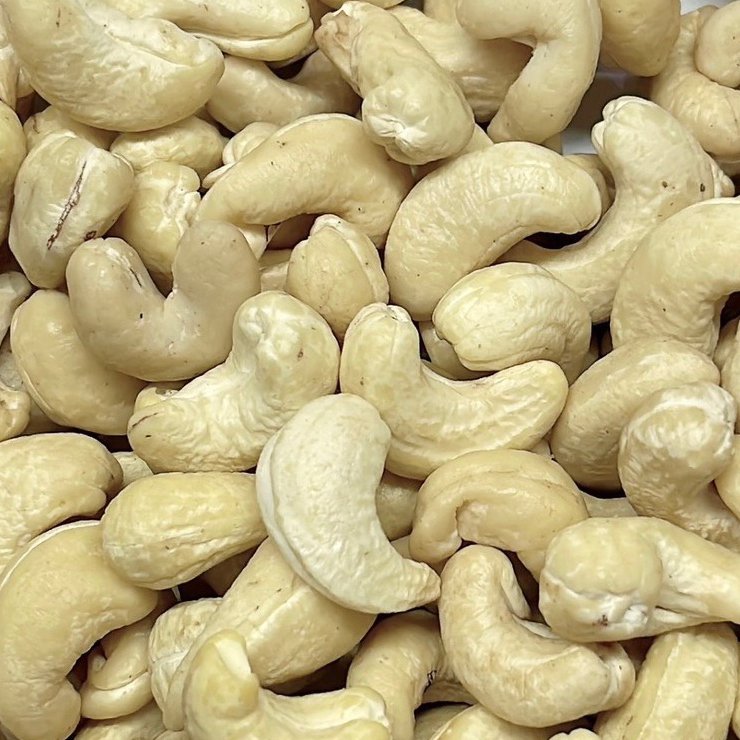
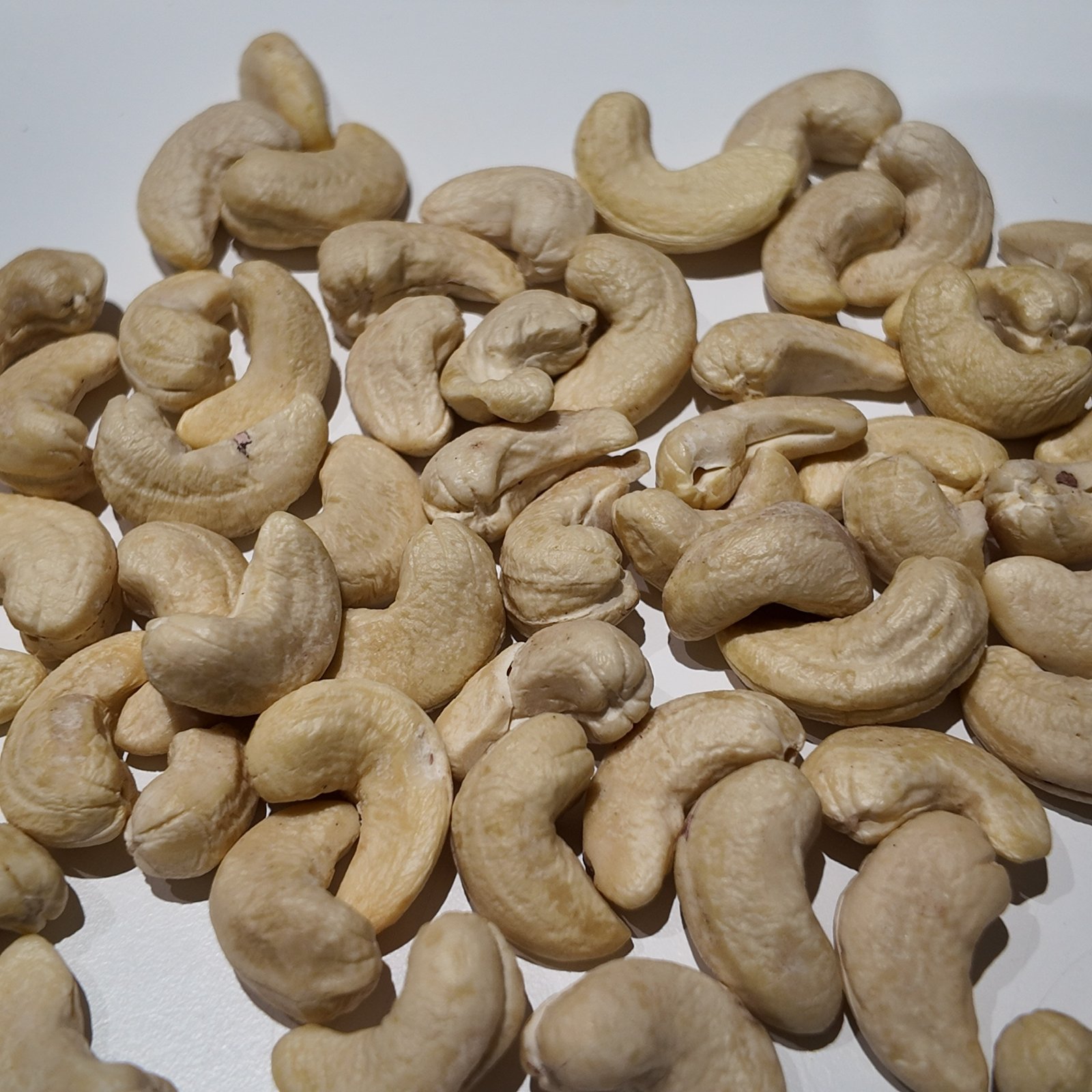
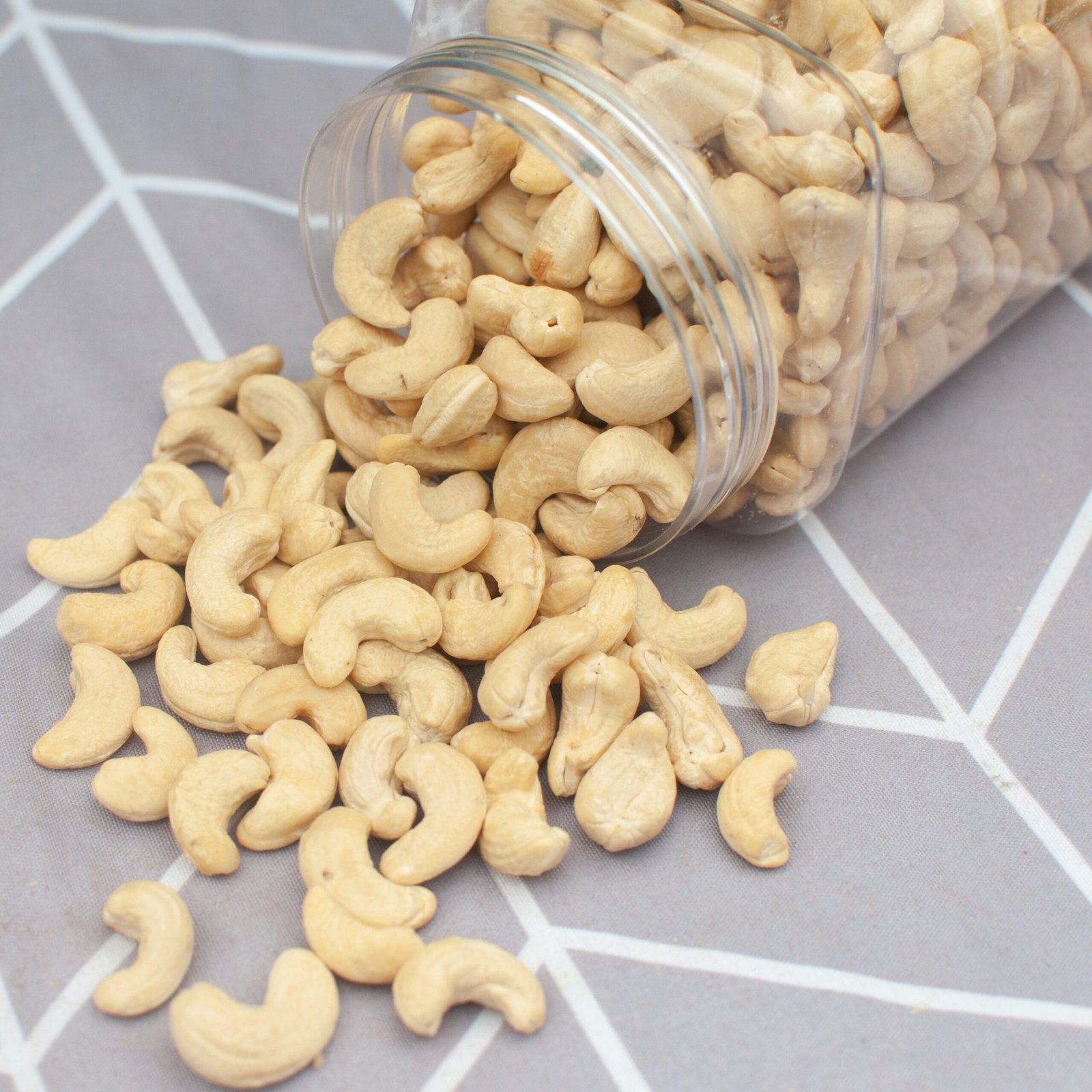
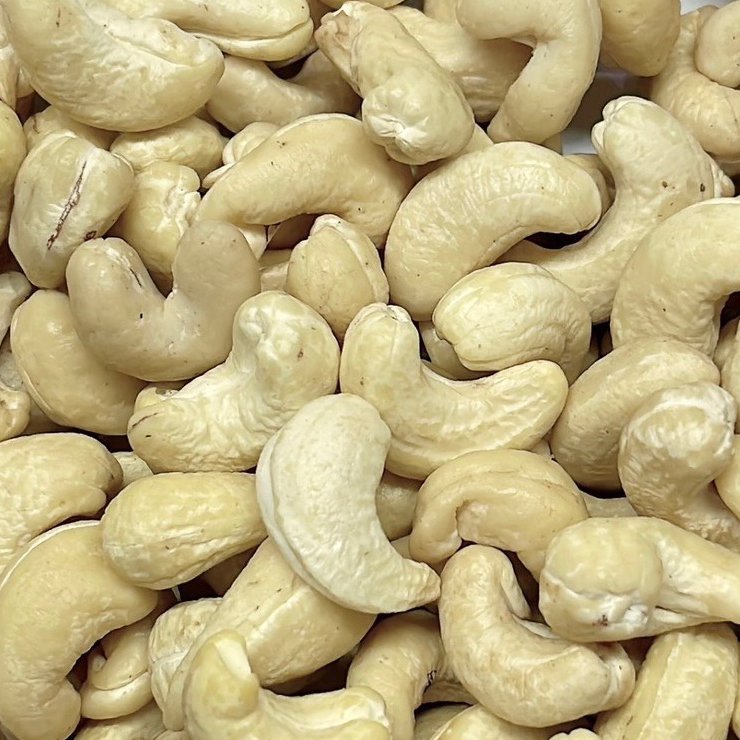
Cashew nuts are kidney-shaped seeds obtained from the cashew tree, scientifically known as Anacardium occidentale. They are enjoyed around the world because of their rich, creamy taste, crunchy texture, and nutritional value. Cashews can be eaten raw or roasted and are commonly used in snacks, desserts, sauces, nut butters, and many traditional dishes.
Parameter Typical Specification
Product Raw Cashew Nuts (RCN), in-shell
Botanical name Anacardium occidentale L.
Crop Current crop, properly dried and stored
Moisture content ≤ 10% (often 8–10%)
Outturn / KOR Typically ≥ 48 lbs/80 kg, depending on origin and grade
Nut count Generally ≤ 200 nuts/kg; buyer specification may vary
Defective nuts As low as commercially practicable; typically specified by contract
Mouldy nuts Nil / ≤ 1%, depending on contract
Insect-damaged nuts Typically ≤ 2%
Immature/shrivelled nuts Typically ≤ 5%
Foreign matter Typically ≤ 0.5%
Stones/metal/glass Nil
Live insects Nil
Aflatoxin Must comply with the importing country’s legal limits
Odour Clean, natural; free from mouldy, rancid or abnormal odours
Appearance Sound, well-dried, clean, mature nuts
Packaging Jute bags, polypropylene bags, or bulk packaging suitable for export
Storage Cool, dry, well-ventilated conditions, protected from moisture and pests
Health Benefits of Cashew Nuts
Cashew nuts contain healthy fats, plant-based protein, dietary minerals, and other nutrients that can contribute to a balanced diet.
1. Rich in Essential Nutrients
Cashews provide nutrients such as magnesium, copper, phosphorus, manganese, iron, zinc, and vitamin K. These nutrients play important roles in normal body functions.
2. Supports Heart Health
Cashews contain predominantly unsaturated fats. When eaten as part of a balanced diet, replacing foods high in saturated fats with unsaturated-fat sources such as nuts can support cardiovascular health.
3. Provides Plant-Based Protein
Cashew nuts provide plant-based protein, making them a convenient snack for people looking to increase their intake of protein-rich foods.
4. Supports Bone Health
Cashews contain minerals such as magnesium, phosphorus, and copper, which contribute to maintaining normal bones and connective tissues.
5. A Convenient Energy-Rich Snack
Because cashews contain healthy fats, protein, and calories, a moderate serving can be a satisfying snack between meals.
Cashew Nutrition
Cashews are nutrient-dense, meaning they provide several important nutrients in a relatively small serving. A typical serving contains healthy fats, protein, carbohydrates, fiber, and essential minerals.
However, cashews are also relatively high in calories, so portion size is important, particularly for people monitoring their calorie intake.
Ways to Use Cashew Nuts
Cashews are extremely versatile. They can be:
Eaten as a snack
Added to breakfast cereals and oatmeal
Used in salads and stir-fries
Blended into smoothies
Made into cashew butter
Used to prepare dairy-free sauces and creams
Added to cakes, cookies, and desserts
Included in traditional meat, vegetable, and rice dishes
How to Choose High-Quality Cashew Nuts
When buying cashew nuts, look for clean, fresh-looking nuts with a pleasant smell and no signs of mold, excessive discoloration, or insect damage. Choose properly packaged products from reputable suppliers and check the packaging date and storage instructions where available.
How to Store Cashew Nuts
Store cashews in an airtight container in a cool, dry place. For longer storage, refrigeration can help maintain freshness. Keep them away from moisture, heat, and strong odors.
Are Cashew Nuts Good for You?
Yes. Cashew nuts can be a nutritious addition to a balanced diet because they provide unsaturated fats, plant-based protein, and several important minerals. As with other nuts, they are best consumed in moderate portions.
People with a tree-nut allergy should avoid cashews and follow appropriate medical advice.



Reviews
There are no reviews yet.