
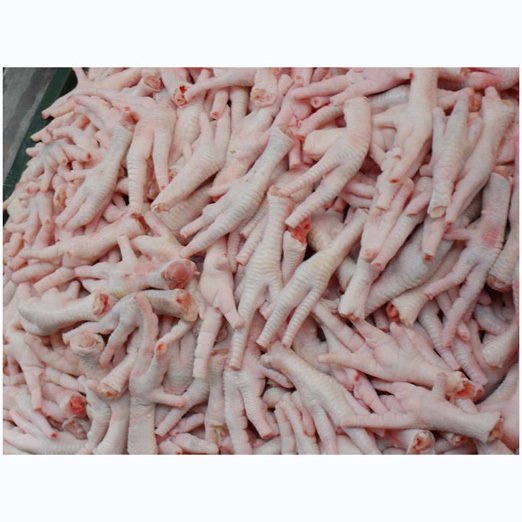
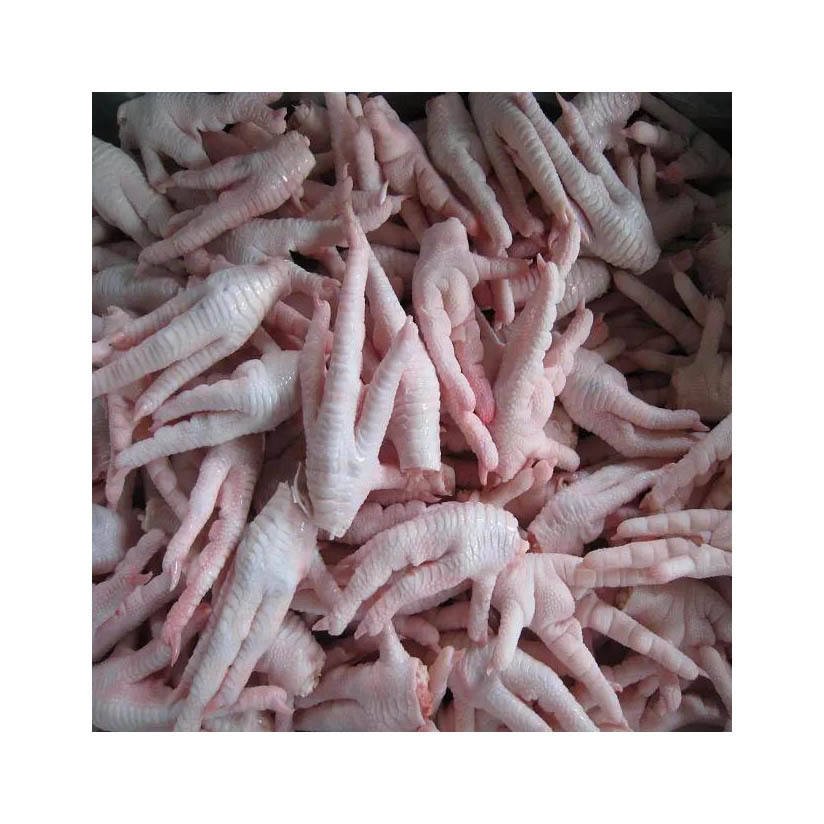
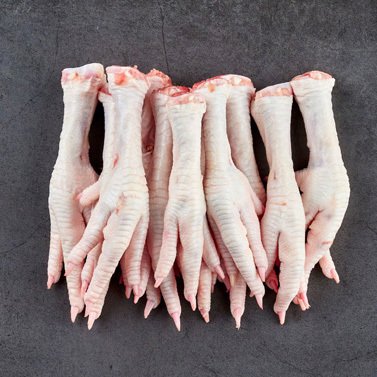
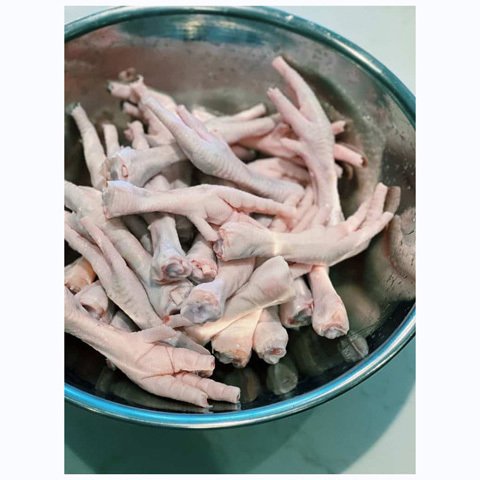
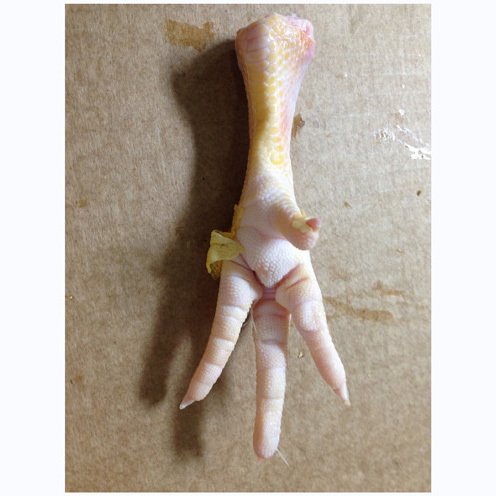
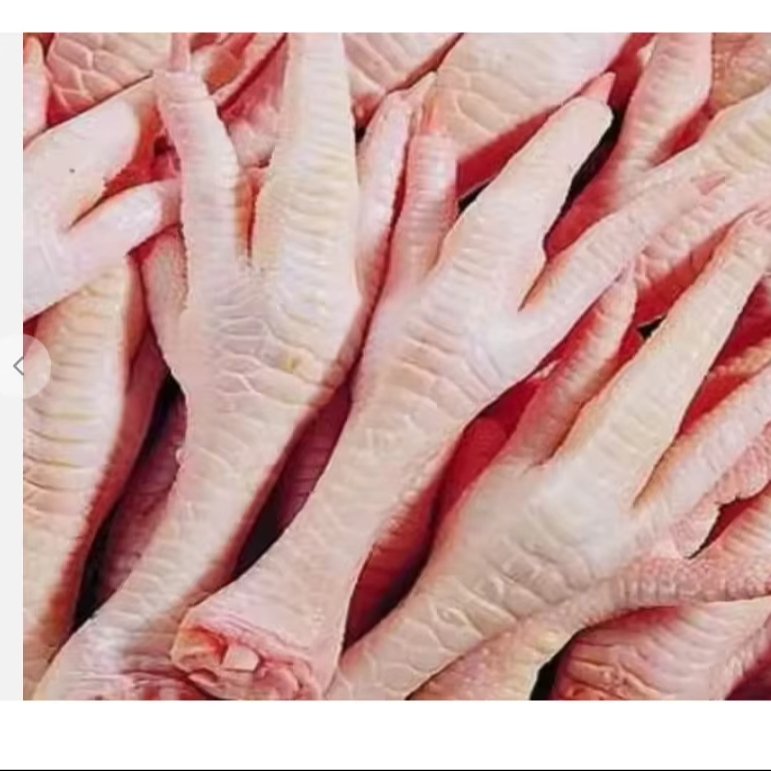
Introduction to Chicken Legs
Chicken legs are a popular poultry cut valued by households, restaurants, foodservice companies, wholesalers, supermarkets and food processors around the world. Their rich flavor, versatile preparation options and attractive commercial value make them an important choice for buyers seeking dependable poultry products for domestic and international markets.
Whether you are a poultry importer, distributor, supermarket supplier, restaurant group, hotel purchasing department or food processor, purchasing directly through an experienced sourcing partner can help simplify procurement and improve supply planning.
For more information about RKGCLDS, visit the company’s Home Page and explore its Shop for available agricultural products.
Why Choose RKGCLDS
RKGCLDS positions itself as a sourcing and supply partner for agricultural commodities, connecting farmers, processors, wholesalers, importers, distributors, retailers and international traders. The company’s stated priorities include quality, consistency, transparency and customer satisfaction.
Reliable Product Sourcing
A dependable sourcing system is essential when purchasing poultry in commercial quantities. Buyers need consistency in product type, quality, packaging, documentation and shipment coordination.
RKGCLDS works with suppliers and farming partners to source products with attention to quality, cleanliness, moisture, packaging, storage and preparation for international shipment.
Flexible Commercial Requirements
Different buyers require different quantities and specifications. A restaurant distributor may require regular smaller shipments, while a wholesaler or importer may need container-scale purchasing.
Product requirements can therefore be discussed according to:
- Required quantity
- Product cut
- Fresh or frozen format
- Packaging format
- Target destination
- Shipping port
- Applicable certificates
- Buyer specifications
- Delivery terms
- Inspection requirements
Export-Oriented Service
RKGCLDS states that it prepares agricultural commodities according to agreed specifications, packaging requirements and shipping arrangements. This makes the business model suitable for commercial buyers seeking a sourcing partner rather than a simple retail transaction.
Product Quality and Selection
Quality is one of the most important considerations when purchasing poultry products for commercial use. Buyers generally look for clean processing, consistent sizing, suitable packaging, controlled storage and reliable documentation.
Our sourcing process can be aligned with buyer specifications so that the final product is suitable for its intended market.
Depending on the agreed specification, poultry cuts may be supplied in different presentations, including bone-in cuts, leg quarters, drumsticks or other customized formats. Industry export specifications commonly distinguish between these cuts and may specify weight, moisture, defects, packaging and temperature requirements.
When ordering chicken legs, buyers should clearly specify whether they require whole legs, leg quarters, drumsticks, skin-on products, skinless products or boneless leg meat.
This distinction is important because each cut has different culinary applications, packaging requirements and commercial pricing.
Consistent Commercial Quality
For wholesale customers, consistency is often more important than purchasing isolated lots. Consistent products make it easier for food processors, restaurant chains and distributors to plan menus, production schedules and inventory.
RKGCLDS can discuss product requirements with buyers before an order is finalized, helping establish the appropriate product description, packaging, quantity and delivery conditions.
Frozen Poultry and Cold-Chain Handling
Frozen poultry requires controlled temperature management throughout processing, storage, transportation and delivery.
Commercial export specifications commonly use frozen storage at approximately -18°C or below, although exact requirements may vary according to the product, destination country, processor and contract.
For this reason, maintaining the cold chain is an important part of international poultry logistics.
Temperature Management
The product should remain appropriately frozen during:
- Processing
- Packaging
- Cold storage
- Container loading
- Reefer transportation
- Port handling
- Destination customs procedures
- Delivery to the buyer’s cold store
Temperature control helps preserve product quality and reduces the risk of deterioration during transportation.
Export Cold-Chain Logistics
For international buyers, reefer containers are commonly used for frozen poultry shipments. Exact container loading capacity depends on packaging configuration, destination, product density and shipping requirements.
Buyers should confirm the required temperature, packaging, loading plan and documentation before shipment.
Product Specifications
The final specification for chicken legs should always be confirmed before quotation and contract because requirements vary by destination and buyer.
Typical Commercial Specification Framework
| Specification | Buyer Requirement / Typical Export Consideration |
|---|---|
| Product | Chicken leg poultry cut |
| Form | Fresh or frozen, according to contract |
| Cut | Whole leg, leg quarter, drumstick or customized cut |
| Processing | Cleaned and professionally processed |
| Grade | According to agreed commercial specification |
| Skin | Skin-on or skinless according to order |
| Bone | Bone-in or boneless according to specification |
| Packaging | Bulk carton, polybag or customized format |
| Storage | Frozen storage commonly maintained at -18°C or below |
| Shipping | Refrigerated/reefer transportation for frozen product |
| Labeling | According to destination-market regulations |
| Documentation | As required by destination and contract |
| Quantity | According to buyer order |
| Inspection | Optional/required according to contract |
| Shelf Life | Determined by processor and confirmed on specification sheet |
These parameters should not be treated as universal guarantees. Final product characteristics, packaging, temperature, shelf life and certificates should be confirmed against the actual supplier specification before purchase.
Packaging and Export Preparation
Proper packaging protects poultry during handling, storage and transportation.
Commercial frozen poultry can be supplied in export cartons with sealed inner bags or other packaging formats depending on the processor and buyer requirements. Published industry examples include 10 kg, 15 kg and 20 kg export cartons, although exact pack sizes should be confirmed before ordering.
Packaging Options
Potential commercial formats include:
- Bulk export cartons
- Polybag-lined cartons
- Foodservice packs
- Retail-ready packs
- Customized private-label packaging
- Palletized export shipments
Labeling
International poultry shipments may require product identification, net weight, production information, storage instructions, lot or batch identification, country of origin and other regulatory information.
The exact label requirements depend on the destination country.
For this reason, buyers should provide their destination and labeling requirements during the quotation stage.
Wholesale and Bulk Supply
Wholesale poultry purchasing requires more than finding a low unit price. Buyers need dependable supply, predictable specifications, suitable packaging and efficient logistics.
Our chicken legs supply can be discussed for commercial applications such as:
- Poultry wholesalers
- Food distributors
- Supermarkets
- Hypermarkets
- Hotels
- Restaurants
- Catering companies
- Food processors
- Meat traders
- Importers
- Exporters
- Institutional kitchens
- Frozen food distributors
Bulk Purchasing Advantages
Purchasing in larger quantities may help professional buyers optimize procurement and maintain inventory.
Bulk buyers can discuss:
- Monthly requirements
- Container quantities
- Recurring orders
- Packaging preferences
- Destination port
- Shipping terms
- Inspection arrangements
- Documentation
- Payment terms
- Delivery schedules
RKGCLDS states that it can discuss smaller commercial quantities as well as larger wholesale shipments with buyers.
Applications and Culinary Uses
Chicken leg meat is highly versatile and can be prepared using many cooking methods.
It is suitable for:
Grilling
Marinated poultry legs can be grilled for restaurants, outdoor catering and home meals. The cut works well with spice rubs, marinades and barbecue sauces.
Roasting
Roasted poultry is a popular menu option because it can be combined with vegetables, potatoes, rice, sauces and salads.
Frying
Breaded or seasoned pieces can be fried to produce a crisp exterior and flavorful interior.
Braising
Slow cooking can create tender meat suitable for traditional dishes, stews and family meals.
Curries
The cut works well in curry preparations because the meat absorbs sauces and spices during cooking.
Foodservice
Hotels, restaurants and catering companies can incorporate the product into portion-controlled meals, buffet menus, prepared dishes and takeaway products.
Food Processing
Food manufacturers may use deboned poultry leg meat in processed products, ready meals, skewers, sausages, fillings and other prepared foods, subject to the applicable formulation and regulatory requirements.
Nutritional and Commercial Benefits
Poultry is widely valued as a source of protein and as a versatile ingredient for balanced meals.
The nutritional profile of a poultry cut depends on factors such as skin, cooking method, portion size and preparation. Buyers should consult the supplier’s laboratory analysis or nutrition specification when exact nutritional values are required.
From a commercial perspective, the popularity of poultry creates opportunities across multiple distribution channels.
Protein-Rich Food Ingredient
Poultry meat is commonly incorporated into high-protein meals and prepared foods.
Versatile Ingredient
Its adaptability to frying, grilling, roasting, stewing and baking makes it useful for diverse cuisines.
Foodservice Friendly
Commercial kitchens can use standardized cuts for menu planning and portion management.
Broad Consumer Appeal
Chicken is consumed across many geographic regions and culinary traditions, making poultry products attractive to distributors serving diverse customer groups.
Food Safety and Handling
Food safety is essential when handling raw poultry.
The U.S. Department of Agriculture’s Food Safety and Inspection Service recommends cooking poultry to a safe minimum internal temperature of 165°F (74°C) measured with a food thermometer. For poultry pieces, the thermometer should be inserted into the thickest part while avoiding the bone.
Safe Thawing
USDA guidance recommends thawing poultry in the refrigerator, in cold water using appropriate leak-proof packaging, or in a microwave when it will be cooked immediately. Thawing poultry on the kitchen counter is not recommended.
Prevent Cross-Contamination
Raw poultry should be kept separate from ready-to-eat foods. Hands, utensils, cutting boards and preparation surfaces should be cleaned appropriately after contact with raw poultry.
USDA also advises that washing raw poultry is not necessary for food safety and may spread bacteria through splashing.
Temperature Control
Frozen products should remain frozen throughout storage and transportation according to the supplier’s specification. Buyers should use suitable cold-storage facilities immediately after receiving frozen shipments.
International Poultry Trade
The international poultry market includes multiple forms of poultry cuts, including whole birds, leg quarters, thighs, drumsticks, wings and boneless meat.
Regulatory requirements differ between countries. The European Union, for example, has rules governing water content in fresh, frozen and quick-frozen poultry cuts, including thighs, drumsticks, legs and leg quarters.
Therefore, international buyers should identify the destination country’s import requirements before placing an order.
Destination Requirements
Depending on the market, buyers may need:
- Health certificates
- Veterinary certificates
- Certificate of origin
- Halal certificate where applicable
- Laboratory test results
- Product specification sheet
- Commercial invoice
- Packing list
- Bill of lading
- Export documentation
- Import permits
- Approved establishment information
Requirements vary by destination and should be confirmed with the appropriate authorities and importer.
Why International Buyers Choose RKGCLDS
RKGCLDS presents itself as a global agricultural sourcing partner focused on reliable supply, competitive pricing, export preparation and professional customer service.
1. Reliable Sourcing
The company works with suppliers and farming partners to help buyers obtain agricultural commodities according to their requirements.
2. Competitive Procurement
A sourcing network can help buyers compare supply opportunities and identify suitable commercial arrangements.
3. Export Preparation
Products can be prepared according to agreed specifications, packaging preferences and shipping requirements.
4. Flexible Quantities
RKGCLDS indicates that it can discuss both smaller commercial orders and larger wholesale shipments.
5. Professional Communication
Clear communication is essential for international trade. Buyers should be able to communicate their required specifications, destination and expected volume before receiving a final quotation.
6. Global Market Focus
RKGCLDS serves buyers seeking agricultural products for food processing, distribution, international trade and commercial use.
Explore the company’s About Us page to learn more about its sourcing approach or visit the Contact page to submit a commercial inquiry.
How to Request a Quote
To request a quotation for chicken legs, buyers should provide enough information for the supplier to prepare an accurate commercial offer.
Recommended Buyer Information
Please provide:
- Product name
- Required cut
- Fresh or frozen requirement
- Required quantity
- Packaging preference
- Destination country
- Destination port
- Required certifications
- Preferred shipping terms
- Target delivery schedule
For example:
Product: Chicken leg poultry cuts
Quantity: 1 × 40-foot reefer container
Form: Frozen
Packaging: Export carton
Destination: Buyer’s nominated port
Certification: According to destination requirements
Terms: FOB/CFR/CIF subject to quotation
The final commercial offer should be based on actual availability, product specification, destination, shipping conditions and current market conditions.





Reviews
There are no reviews yet.