
What Are UBC Scraps?
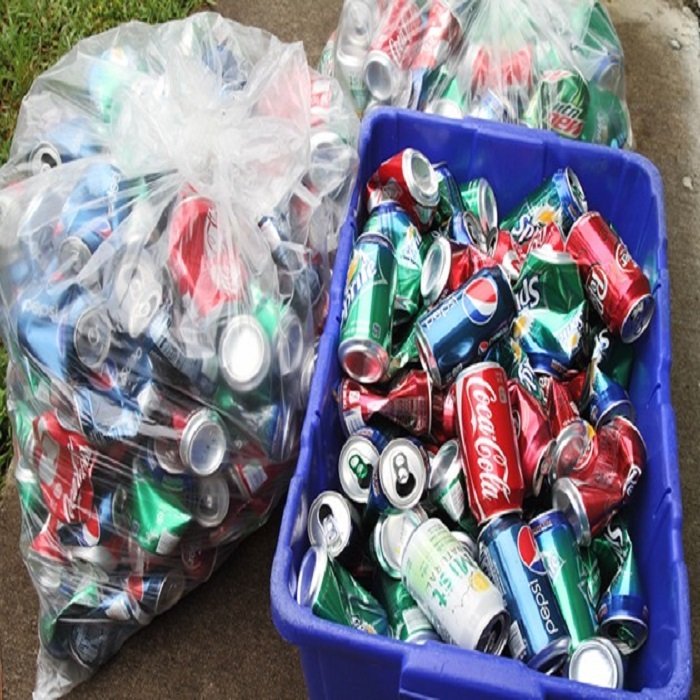
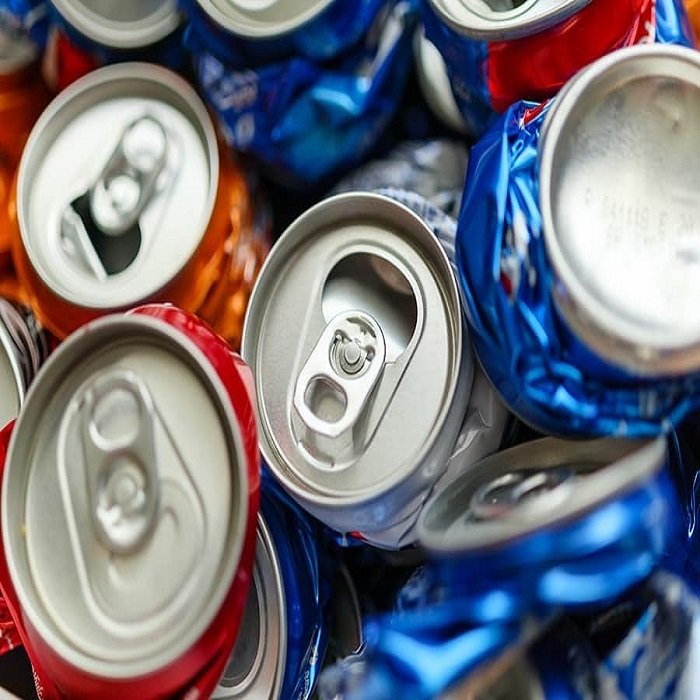
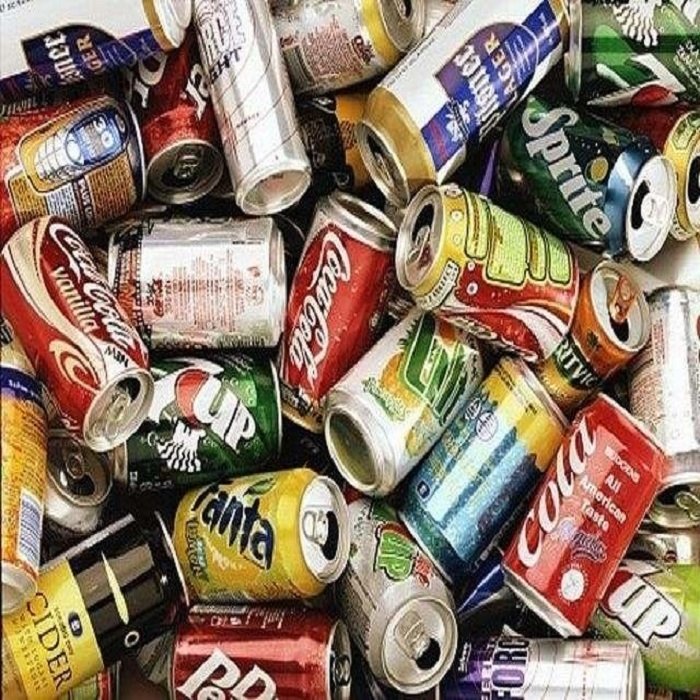
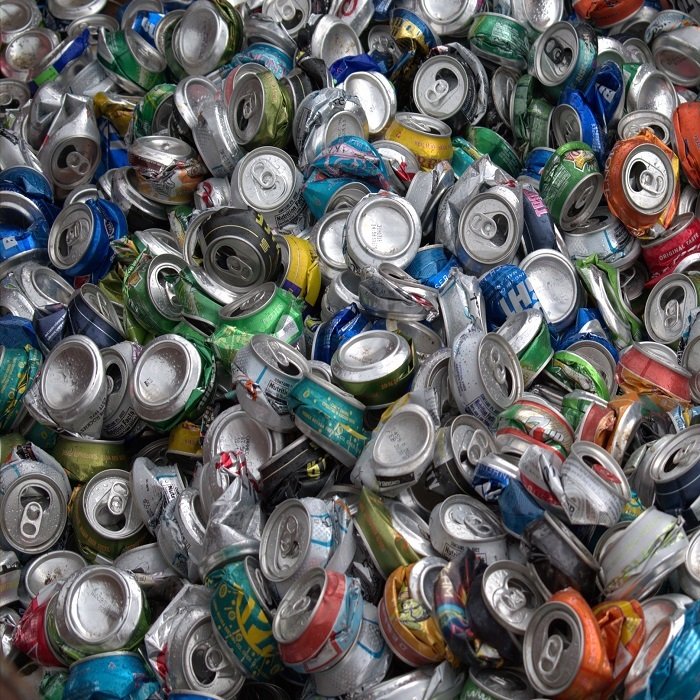
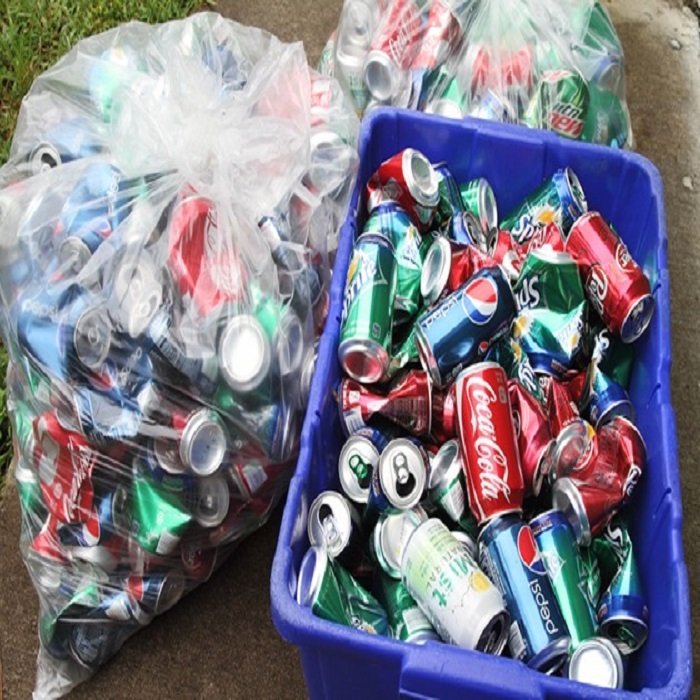
UBC scraps are recovered aluminum beverage cans that have reached the end of their initial consumer use and are collected for recycling. UBC stands for Used Beverage Cans, and this category is widely traded as a recyclable aluminum scrap commodity.
Aluminum beverage cans are valuable to the recycling industry because aluminum can be recovered, processed, remelted, and converted into new aluminum products. For scrap buyers, recyclers, smelters, foundries, and secondary aluminum producers, properly prepared beverage-can scrap can provide a consistent source of recyclable aluminum feedstock.
The commercial value of UBC scraps depends on factors such as material cleanliness, aluminum recovery, moisture, contamination, bale density, packing, transportation costs, market conditions, and the specifications agreed between buyer and seller.
At RKGCLDS, our objective is to connect qualified buyers with commercially prepared recyclable material while maintaining transparent communication regarding specifications and shipment requirements.
Why Recycled Aluminum Matters
Aluminum recycling plays an important role in resource efficiency. Rather than treating used beverage containers as waste, recycling systems recover the aluminum and return it to productive use.
The recycling chain can include:
- Collection of used beverage cans
- Sorting and separation
- Removal of non-aluminum materials
- Magnetic separation of ferrous contamination
- Processing and preparation
- Baling or densification
- Inspection and weighing
- Transportation
- Delivery to recycling facilities
- Melting and secondary aluminum production
The value of UBC scraps therefore extends beyond their immediate resale price. Properly handled material supports a circular approach in which valuable aluminum remains within the industrial supply chain.
For buyers, purchasing prepared aluminum beverage-can scrap can also provide an alternative feedstock to primary aluminum, depending on the intended production process and facility requirements.
Product Characteristics
High-quality UBC scraps are typically identified by their origin, material composition, cleanliness, preparation, and physical condition.
Typical characteristics include:
Aluminum Beverage Can Content
The material should primarily consist of used aluminum beverage containers. Other aluminum scrap categories should not automatically be mixed into the load unless the buyer and seller have expressly agreed to such a specification.
Sorted Material
Sorting helps reduce contamination and improves the consistency of the shipment. Material can be processed through sorting systems before being packed for transportation.
Magnetic Separation
Magnetic separation is an important preparation step for removing ferrous metals. Industry specifications for UBC commonly require magnetic separation before shipment.
Low Contamination
Foreign materials can reduce the commercial usefulness of a scrap shipment. Buyers may therefore specify limits for plastics, steel, glass, dirt, grease, trash, and other contaminants.
Baled or Densified Condition
Depending on the buyer’s requirements, material may be supplied in bales or another agreed form of densification.
Quality and Sorting Standards
Quality is one of the most important considerations when purchasing UBC scraps internationally.
The Institute of Scrap Recycling Industries (ISRI) specifications provide commonly referenced industry descriptions for different scrap grades. For baled aluminum used beverage cans, published specifications include density ranges and requirements concerning bale dimensions, tying, separation, and contamination.
However, buyers should understand that commercial contracts may specify requirements that differ from a general industry specification. Therefore, the exact quality parameters should always be agreed before shipment.
Common Quality Considerations
| Parameter | Typical Commercial Consideration |
|---|---|
| Material | Used aluminum beverage cans |
| Sorting | Properly sorted and prepared |
| Ferrous contamination | Magnetically separated |
| Plastics | Minimized / buyer specification |
| Glass | Minimized / buyer specification |
| Dirt and trash | Minimized / buyer specification |
| Moisture | Agreed between buyer and seller |
| Packaging | Baled or densified where required |
| Bale density | According to agreed specification |
| Bale dimensions | According to buyer requirements |
| Inspection | Pre-shipment or arrival inspection as agreed |
Industry references state that baled UBC material commonly has minimum and maximum density requirements and specific bale dimensions, while contamination restrictions can be strict.
UBC Scrap Preparation
Proper preparation improves handling, transportation, storage, and recycling efficiency.
The preparation process may include:
1. Collection
Used beverage cans are collected from recycling centers, commercial sources, waste-management operations, collection programs, and other legitimate recovery channels.
2. Sorting
The collected material is sorted to separate beverage cans from other recyclable and non-recyclable materials.
3. Ferrous Separation
Magnetic separation can be used to remove steel and other magnetic materials.
4. Inspection
The material is inspected for visible contamination and conformity with the agreed specification.
5. Baling
Where required, the sorted material is compressed into bales to reduce volume and improve transportation efficiency.
6. Final Quality Verification
Before dispatch, the shipment may be checked for packaging condition, contamination, bale integrity, weight, and documentation.
The quality of UBC scraps is strongly influenced by the effectiveness of these preparation steps.
Baled UBC Material
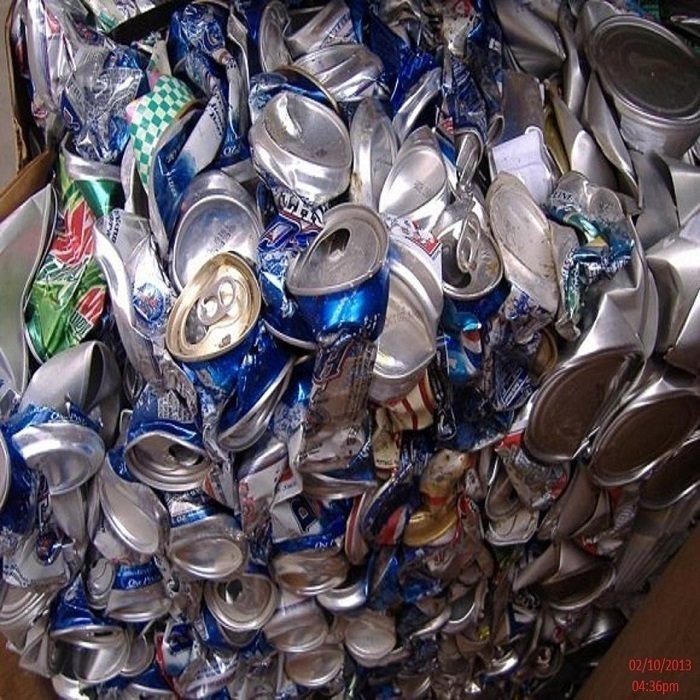
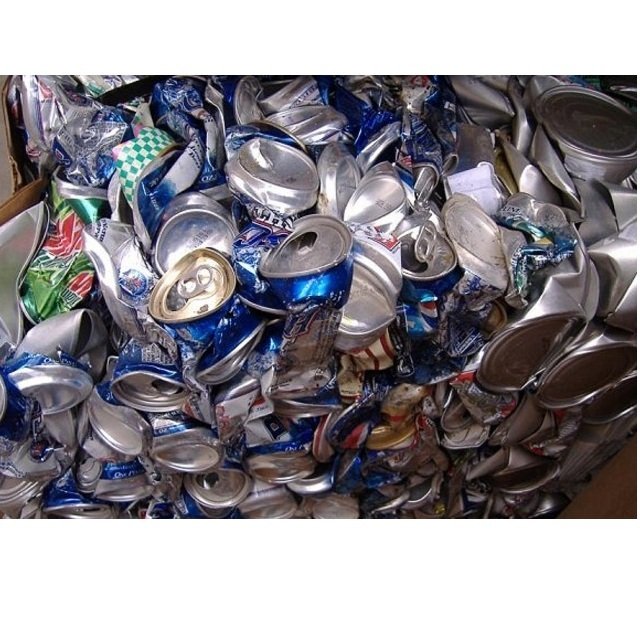
Baling is commonly used to make aluminum beverage-can scrap easier to handle and transport.
Published industry specifications describe baled UBC in terms of bale density, bale dimensions, and acceptable tying methods. One widely referenced specification identifies a minimum bale volume and provides density and dimensional ranges for baled material.
Baling can provide several logistical advantages:
- More efficient use of container space
- Easier forklift handling
- Reduced loose-material movement
- More organized storage
- Improved transportation efficiency
- Easier weighing and inventory management
Specific bale dimensions and tying methods should be confirmed before an order is finalized because buyers may have different unloading, storage, and processing equipment.
Applications of UBC Scrap
The principal purpose of UBC scraps is recovery of aluminum through recycling and secondary aluminum production.
Potential applications include:
Secondary Aluminum Production
Recycling facilities can process recovered beverage cans as a source of aluminum feedstock.
Aluminum Remelting
Prepared scrap may be delivered to facilities equipped to melt and process aluminum scrap according to their technical requirements.
Aluminum Manufacturing Feedstock
Recovered aluminum can become part of the broader raw-material stream used in the manufacture of aluminum products.
Circular Economy Operations
The recovery of beverage-can aluminum contributes to material reuse and resource efficiency.
Scrap Metal Recycling
Metal recycling companies can purchase, process, consolidate, and supply UBC material to downstream consumers.
The suitability of a shipment for a particular application depends on the buyer’s equipment, furnace technology, chemistry requirements, contamination limits, and contractual specifications.
Benefits for Recycling Companies
Purchasing properly prepared UBC scraps can offer several operational benefits.
Consistent Recyclable Feedstock
A well-sorted shipment can provide a concentrated stream of aluminum beverage containers.
Easier Material Handling
Baled material is generally easier to store, move, load, and unload than loose cans.
Improved Transportation Efficiency
Compression reduces the volume occupied by the material and can help improve logistics planning.
Reduced Sorting Requirements
Where material has already been appropriately sorted and separated, downstream processors may spend less effort on initial preparation.
Support for Resource Recovery
Recycling beverage cans helps recover aluminum that might otherwise enter the waste stream.
Inspection and Quality Control
RKGCLDS recognizes that international buyers need clear information before committing to a purchase.
For UBC scraps, quality discussions may cover:
- Product description
- Origin
- Material type
- Estimated quantity
- Packing method
- Bale specifications
- Contamination limits
- Moisture requirements
- Inspection arrangements
- Loading conditions
- Shipping documentation
- Payment terms
- Delivery terms
Depending on the transaction, buyers may request photographs, videos, inspection reports, packing information, or third-party inspection.
Quality acceptance criteria should be established in the commercial agreement rather than relying solely on generic descriptions.
Packaging and Shipping
Packaging requirements are particularly important for international scrap shipments.
Properly packed UBC scraps should be prepared to withstand normal handling during loading, transportation, port operations, unloading, and storage.
Important logistics considerations can include:
Bale Security
Bales should be securely tied according to the agreed packaging specification.
Container Loading
The loading arrangement should take account of safe weight distribution and the dimensions of the bales.
Documentation
Commercial and shipping documents should accurately describe the material, quantity, origin, destination, and other information required by the transaction.
Export Compliance
The seller and buyer should verify applicable export, import, customs, environmental, waste-shipment, and recycling regulations before shipment.


Reviews
There are no reviews yet.