
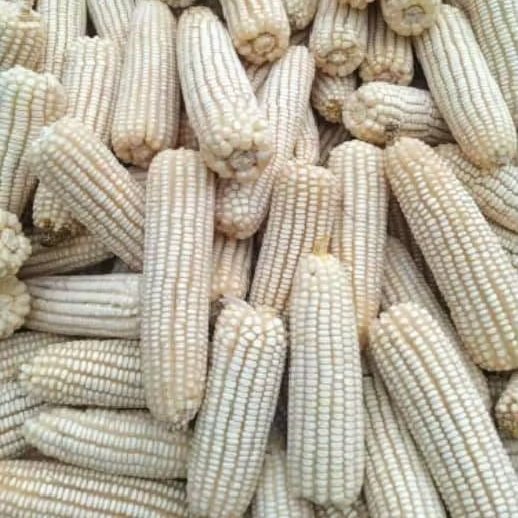
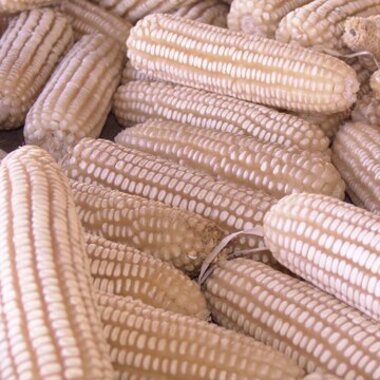
WHITE CORN – PREMIUM QUALITY MAIZE FOR GLOBAL MARKETS
Our supply approach is designed around careful sourcing, appropriate grain handling, quality inspection, documentation, packaging, and international logistics. Whether the requirement is for food processing, flour milling, grain distribution, animal nutrition, or industrial applications, our objective is to provide a reliable supply solution matched to the buyer’s technical and commercial requirements.
PRODUCT INTRODUCTION
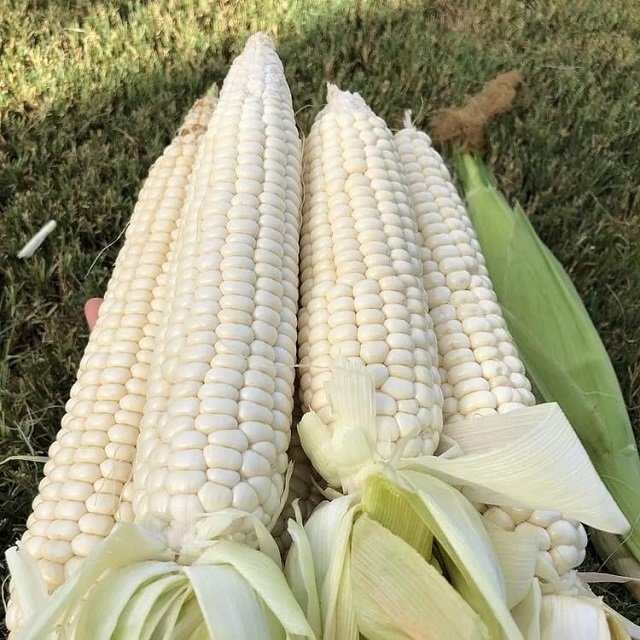
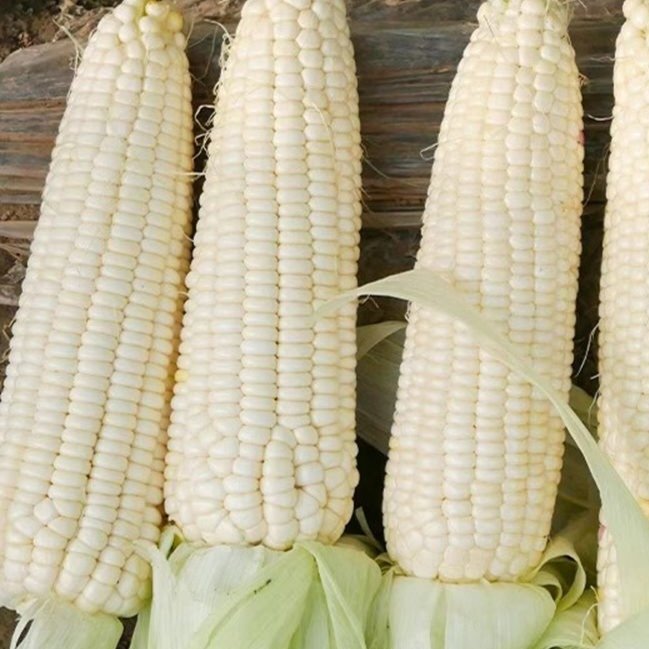
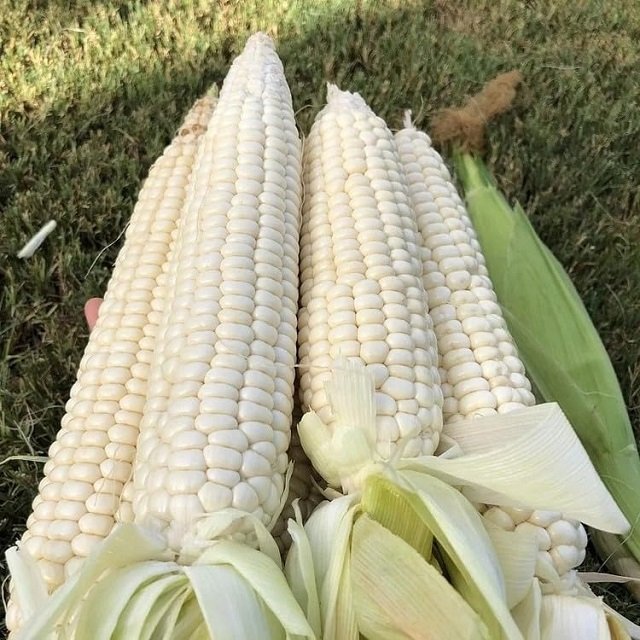
White corn is a naturally occurring maize variety distinguished by its light-colored kernels and broad commercial applications. It is traded internationally as a whole grain and may subsequently be processed into flour, meal, grits, starch, animal feed ingredients, and other value-added products.
For food manufacturers, the grain can be milled into products used in traditional and modern food preparation. For feed manufacturers, maize provides an important source of energy in many livestock and poultry formulations. For industrial processors, its starch content makes it relevant to numerous processing applications.
RKGCLDS serves buyers looking for agricultural commodities through an organized sourcing and export process. Our commercial objective is to connect reliable supply with buyers requiring quality grain, appropriate documentation, professional communication, and international delivery solutions.
The exact grade, origin, moisture specification, packaging, inspection requirements, minimum order quantity, and delivery terms can be agreed according to the destination market and buyer’s purchase specification.
2. WHAT MAKES WHITE CORN VALUABLE?
The commercial value of white corn comes from its versatility, relatively long storage potential when properly dried and stored, wide range of applications, and importance in food and feed markets.
Maize is consumed as a staple food in numerous regions and is also widely utilized as livestock feed. FAO materials identify maize as an important food and feed grain across many parts of Africa, Latin America, and other producing and consuming regions.
The grain can be cleaned, graded, milled, processed, packaged, and distributed according to the intended end use. This flexibility makes it attractive to wholesalers, importers, millers, manufacturers, and food-processing companies.
For international buyers, purchasing requirements often focus on parameters such as moisture, foreign material, broken kernels, damaged grains, test weight, color, mycotoxin levels, packaging, and documentation. International maize specifications also recognize the importance of controlling moisture and impurities during trade and transportation.
3. PRODUCT CHARACTERISTICS
Quality white corn generally has a clean, uniform appearance, consistent kernel development, characteristic natural grain color, and an appropriate moisture level for the intended storage and transportation conditions.
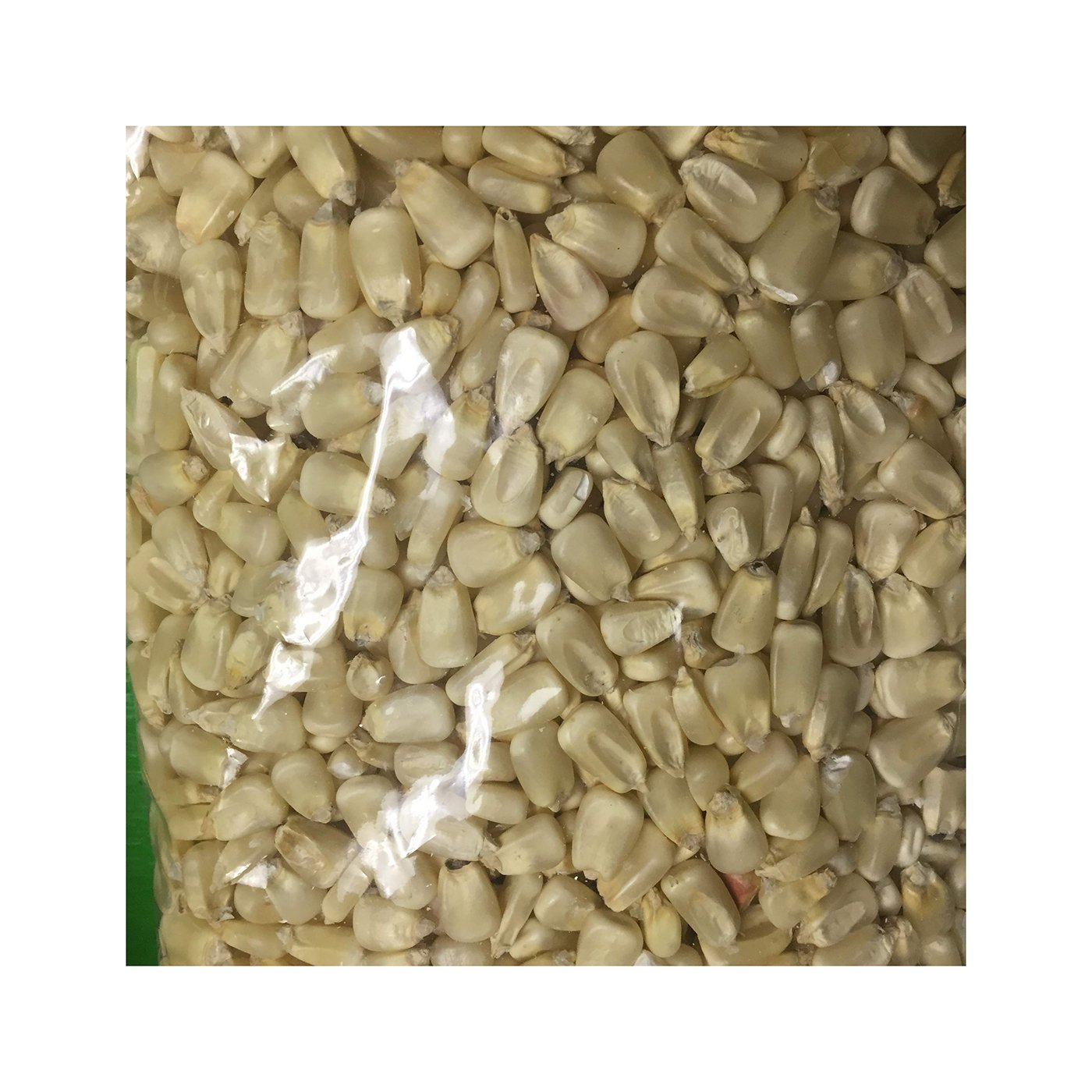
The product may be supplied as whole dried kernels or prepared according to the requirements of a processor or industrial buyer.
Important commercial characteristics may include:
- Uniform white or creamy-white kernel appearance
- Clean and properly dried grain
- Controlled moisture
- Low foreign material
- Controlled broken and damaged kernels
- Appropriate test weight
- Absence of live insects
- Appropriate microbiological and mycotoxin controls
- Proper packaging
- Traceable documentation
- Suitability for the agreed end use
The final product specification should be established before shipment because requirements vary by destination, application, and buyer contract.
4. QUALITY AND TECHNICAL SPECIFICATIONS
Below is a typical commercial specification framework that can be used as a starting point for buyer discussions.
| Parameter | Typical Commercial Requirement |
|---|---|
| Product | White Corn / White Maize |
| Form | Dried whole grain |
| Color | White to creamy white |
| Moisture | Approximately 12–14% maximum, subject to contract |
| Foreign Matter | Typically 1–2% maximum |
| Broken Kernels | Typically 2–5% maximum |
| Purity | Subject to agreed grade |
| Damaged Kernels | Subject to agreed specification |
| Protein | Typically around 8–10% or as contracted |
| Aflatoxin | Buyer/import-country specification |
| Live Insects | Nil |
| Packaging | 25 kg, 50 kg bags, jumbo bags or bulk |
| Inspection | Independent inspection available as agreed |
| Documentation | COA and export documents as applicable |
Commercial white maize specifications published by exporters commonly show maximum moisture around 13–14%, with foreign matter and broken-kernel limits determined by grade.
Importantly, these figures should not be interpreted as a blanket specification for every RKGCLDS shipment. Each transaction should be confirmed through a commercial specification sheet and, where required, independent inspection or laboratory testing.
5. FOOD AND HUMAN CONSUMPTION APPLICATIONS
One of the most important markets for white corn is human food processing.
The grain can be used in the production of:
Corn Flour
Milled grain can be processed into fine or medium corn flour for food manufacturers, wholesalers, bakeries, and traditional food applications.
Corn Meal
Corn meal can be used for porridges, baked products, traditional dishes, and other prepared foods.
Corn Grits
Coarsely milled grain can be processed into grits used in food manufacturing and culinary applications.
Traditional Foods
Across Africa and other regions, maize is an important ingredient in staple foods. Depending on local culinary traditions, it can be processed into porridge, meal, fermented products, cooked grain dishes, and other preparations.
Tortilla and Flatbread Production
In markets where maize-based flatbreads and tortillas are popular, suitable maize varieties can be processed for food manufacturing.
Snack and Processed Food Manufacturing
Milled maize can also become an ingredient in selected snack, cereal, and convenience-food products.
For food-grade buyers, product cleanliness, moisture, color, microbial condition, pesticide residues, and mycotoxin compliance are important considerations.
6. ANIMAL FEED APPLICATIONS
Maize is also an important feed grain because of its carbohydrate and starch content.
Feed manufacturers may use maize in formulations for:
- Poultry feed
- Cattle feed
- Dairy feed
- Pig feed
- Goat feed
- Sheep feed
- Aquaculture feed formulations
- Livestock concentrate mixtures
The appropriate inclusion rate depends on the animal species, nutritional formulation, grain quality, and other feed ingredients.
Feedipedia notes that maize grain is widely used in livestock feeding but emphasizes that grain quality and mycotoxin contamination should be assessed before feeding.
This makes proper drying, storage, testing, and quality management especially important for commercial feed-grade grain.
7. INDUSTRIAL APPLICATIONS
Beyond food and feed, maize can support several industrial processing sectors.
Starch Production
The starch component of maize makes it useful to starch processors. Maize starch can be used in food, paper, textile, adhesive, and other industrial processes.
Ethanol and Fermentation
Depending on local regulations, economics, and processing infrastructure, maize can serve as a feedstock for fermentation and ethanol production.
Corn-Based Ingredients
Industrial processors can separate maize into different fractions and ingredients for specialized applications.
Animal Nutrition Ingredients
Processed maize products can become components of commercial feed formulations.
Grain Trading
Wholesalers and commodity traders can purchase whole grain for resale, milling, distribution, or regional trade.
8. MILLING AND PROCESSING
The processing pathway depends on the final product.
A typical grain-processing chain may include:
Harvesting → Drying → Cleaning → Grading → Storage → Quality Inspection → Milling → Processing → Packaging → Distribution
Cleaning removes unwanted foreign material. Grading helps separate grain according to buyer requirements. Milling then reduces the kernels to the desired particle size.
Different processing techniques can produce:
- Whole maize
- Coarse meal
- Fine meal
- Flour
- Grits
- Bran
- Germ
- Starch-based ingredients
The final yield depends on kernel characteristics, milling technology, moisture, grain condition, and processor requirements.
9. NUTRITIONAL CHARACTERISTICS
Maize is primarily recognized as an energy-providing cereal because of its carbohydrate and starch content. It also contributes protein, dietary fiber, oils, vitamins, and minerals in varying quantities.
Nutritional composition can vary according to maize variety, cultivation conditions, processing method, storage, and laboratory testing.
For commercial food manufacturers, nutritional declarations should be based on laboratory analysis of the actual shipment or finished product rather than relying solely on generic nutritional tables.
The natural characteristics of maize make it useful as an ingredient in many food and feed formulations, while processing allows manufacturers to create products with different textures, particle sizes, and functional properties.
10. QUALITY CONTROL AND FOOD SAFETY
Quality control is a central part of responsible agricultural commodity trading.
A professional grain-supply program should consider:
Moisture Control
Excess moisture can contribute to deterioration during storage. Proper drying and storage conditions therefore play an important role in maintaining grain quality.
Foreign Material
Cleaning and grading help reduce unwanted materials such as stones, plant debris, dust, and other impurities.
Insect Control
Commercial grain should be protected against infestation during storage and transportation. International maize standards include requirements concerning living insects and mites.
Mycotoxin Management
Mycotoxins are particularly important in maize supply chains. FAO explains that aflatoxins commonly occur in maize and that mycotoxin contamination represents a food and feed safety concern.
For this reason, appropriate sampling and laboratory testing should be incorporated into transactions where required.
Documentation
Depending on the destination, buyers may request:
- Certificate of Analysis
- Certificate of Origin
- Phytosanitary Certificate
- Fumigation Certificate
- Commercial Invoice
- Packing List
- Bill of Lading
- Inspection Certificate
- Other destination-specific documentation
Documents supplied with an order should correspond to the actual shipment and applicable regulations.
11. PACKAGING AND STORAGE
RKGCLDS can discuss packaging arrangements according to buyer requirements and shipment specifications.
Common commercial formats include:
25 KG Bags
Suitable for wholesalers, processors, distributors, and retail-oriented supply chains.
50 KG Bags
A widely used format for commercial grain distribution and bulk handling.
Jumbo Bags
Large-capacity bags can be considered for industrial buyers requiring efficient handling.
Bulk Shipment
Large-volume industrial orders may be considered for bulk transportation depending on logistics, destination, infrastructure, and contract requirements.
Storage should be cool, dry, clean, ventilated, and protected from moisture and pests. Grain should not be stored directly against damp floors or walls. Proper stock rotation and routine inspection can help preserve quality.
12. INTERNATIONAL EXPORT AND LOGISTICS
RKGCLDS is positioned to support buyers seeking international agricultural commodity sourcing.
International delivery may be arranged according to agreed Incoterms such as:
- FOB
- CFR
- CIF
The appropriate commercial term depends on the buyer’s destination, shipping requirements, insurance arrangements, port facilities, and contract structure.
A typical export process may involve:
- Buyer inquiry
- Product specification confirmation
- Quantity confirmation
- Commercial quotation
- Contract negotiation
- Quality requirements
- Payment arrangement
- Product preparation
- Inspection and testing where applicable
- Packaging and loading
- Export documentation
- Ocean freight or other transportation
- Shipment tracking
- Delivery at the agreed destination
Container loading capacity depends on packaging, container type, applicable weight restrictions, and destination requirements. Therefore, the final shipment quantity should be confirmed by the logistics provider.
13. WHY CHOOSE RKGCLDS?
RKGCLDS aims to provide more than a commodity quotation. International buyers need a supply partner capable of communicating clearly, understanding specifications, coordinating documentation, and supporting the logistics process.
Our commercial approach focuses on:
Quality-Oriented Sourcing
We work toward sourcing products according to agreed specifications and buyer requirements.
International Buyer Support
We communicate with importers, distributors, manufacturers, wholesalers, and commodity traders seeking agricultural products.
Flexible Commercial Discussions
Specifications, packaging, quantity, destination, inspection, and delivery terms can be discussed according to the transaction.
Export Documentation
Documentation requirements can be established before shipment to help reduce avoidable delays.
Professional Communication
Clear communication is essential when dealing with international commodity transactions, particularly where large quantities and multiple logistics parties are involved.
To learn more about RKGCLDS and our product portfolio, visit our official company website.
14. BUYING AND SOURCING OPTIONS
Whether you are a food processor, maize miller, animal-feed producer, wholesaler, distributor, importer, or international trader, your requirements can be evaluated based on your target market.
When requesting a quotation, buyers should ideally provide:
- Required quantity in metric tons
- Intended application
- Destination country
- Destination port
- Preferred packaging
- Required quality specification
- Required moisture level
- Required inspection standard
- Required documentation
- Preferred Incoterm
- Desired shipment schedule
Providing these details allows the supplier to prepare a more accurate commercial proposal.
For large-volume buyers, long-term supply discussions may also be considered subject to availability, quality requirements, production capacity, logistics, and contractual terms.




Reviews
There are no reviews yet.