
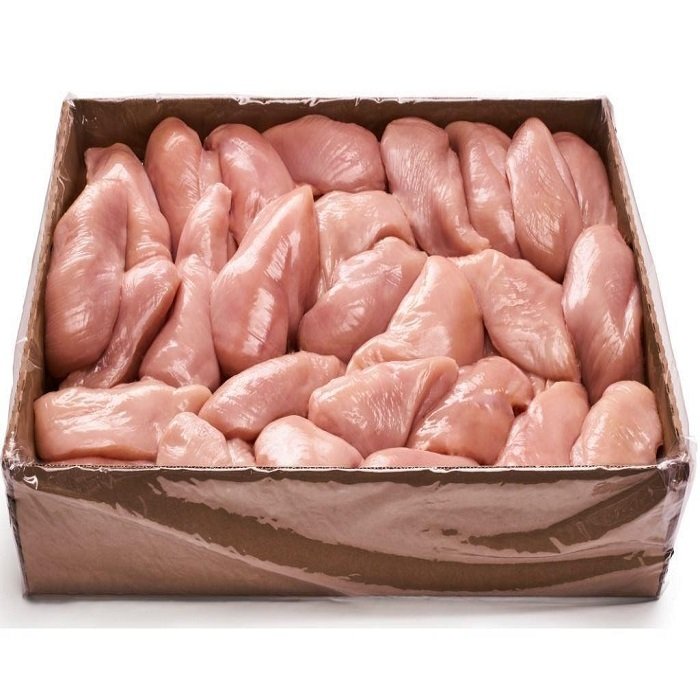
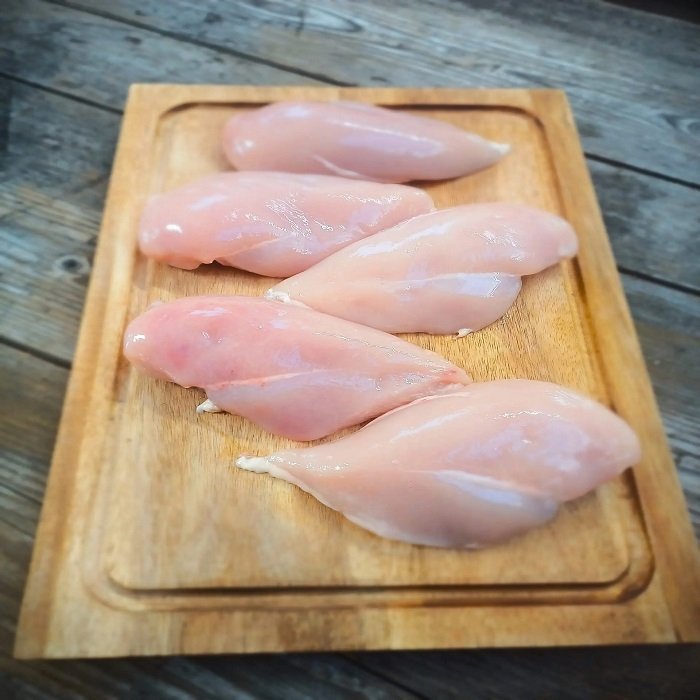
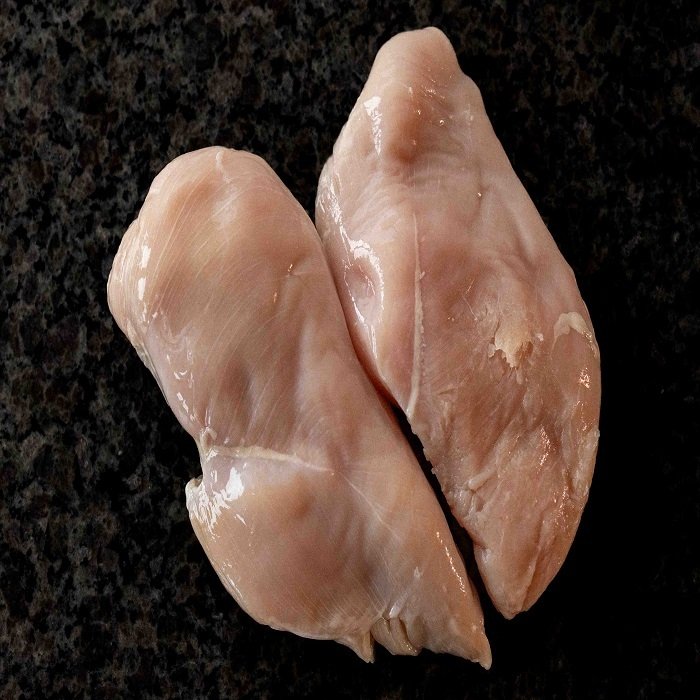
Introduction to Chicken Breast
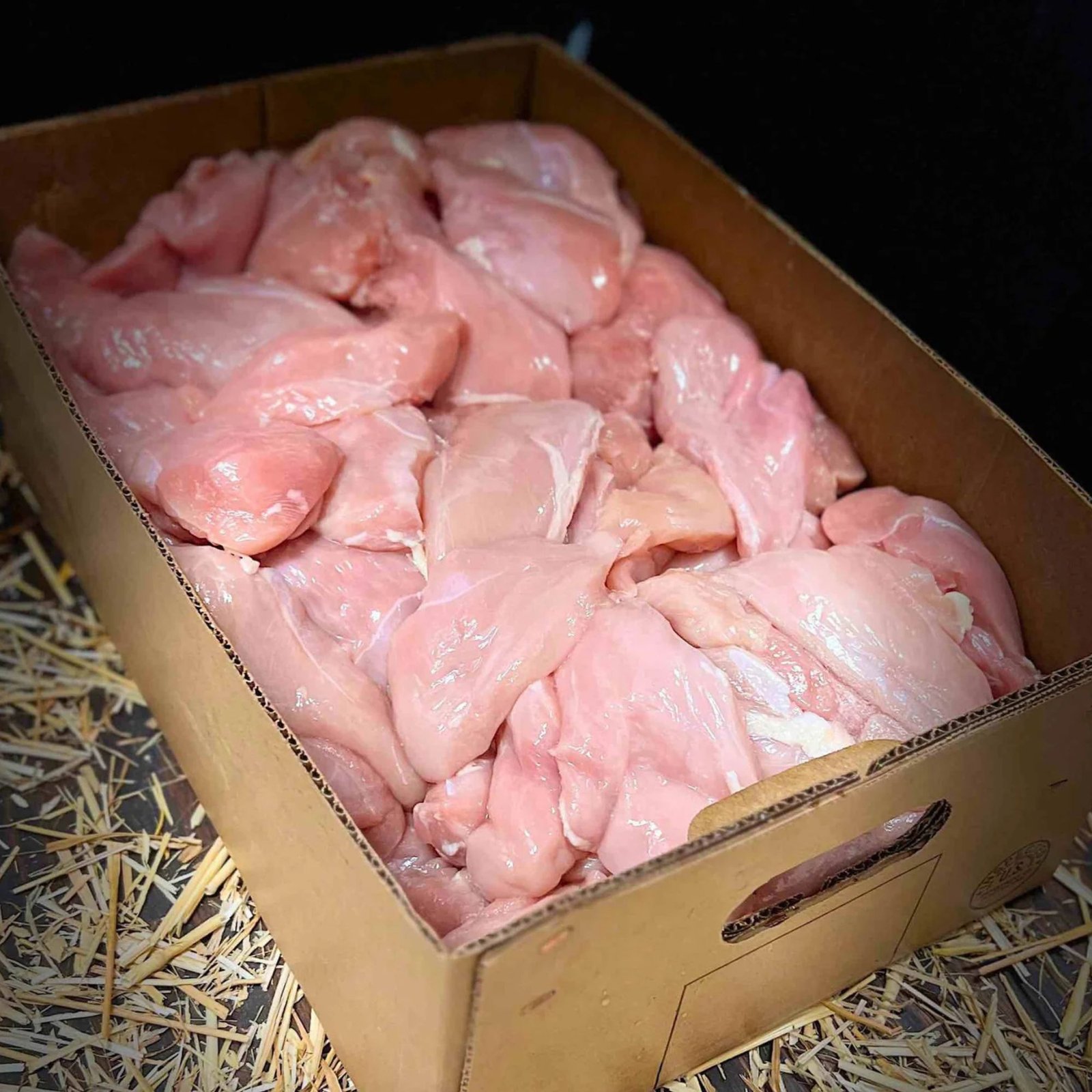
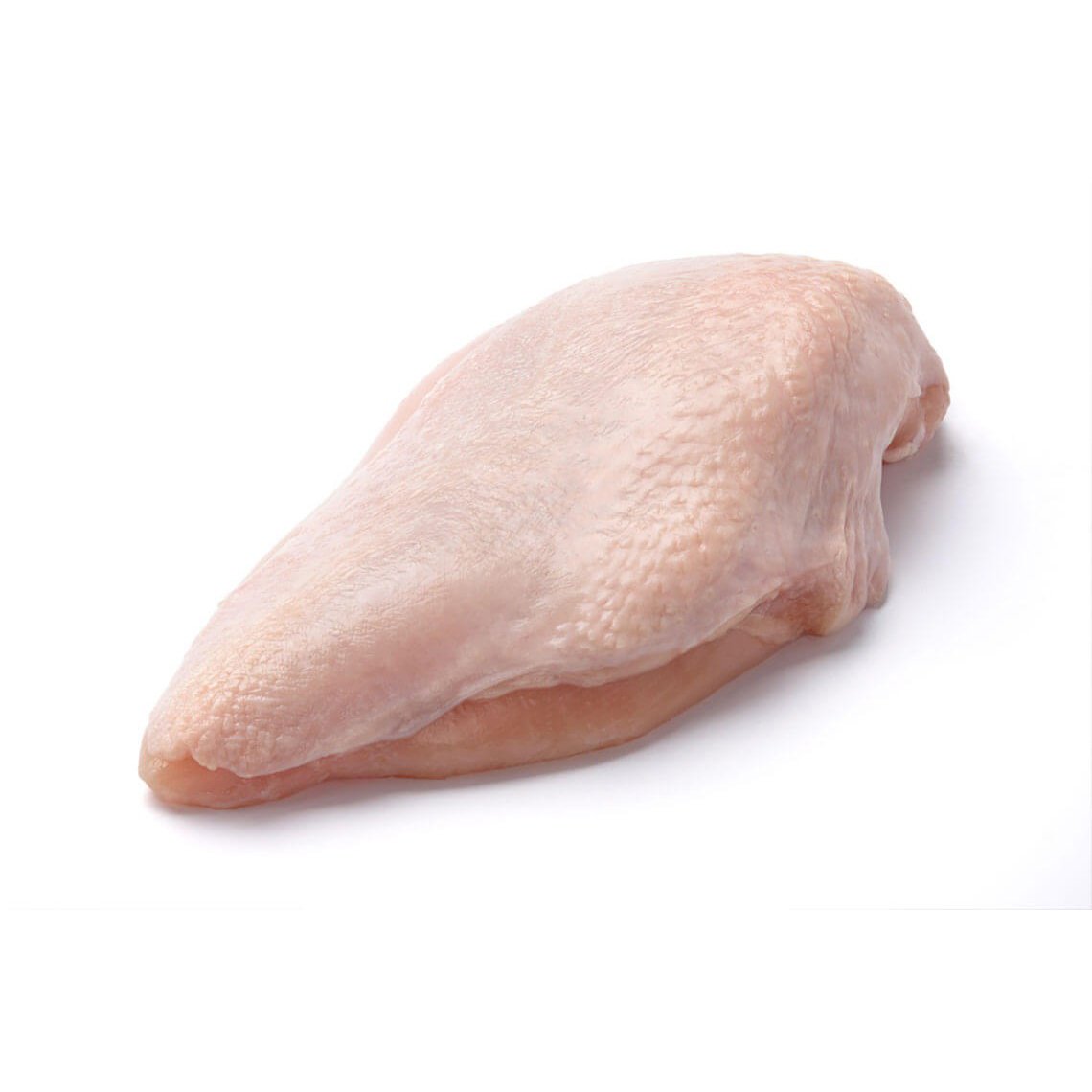
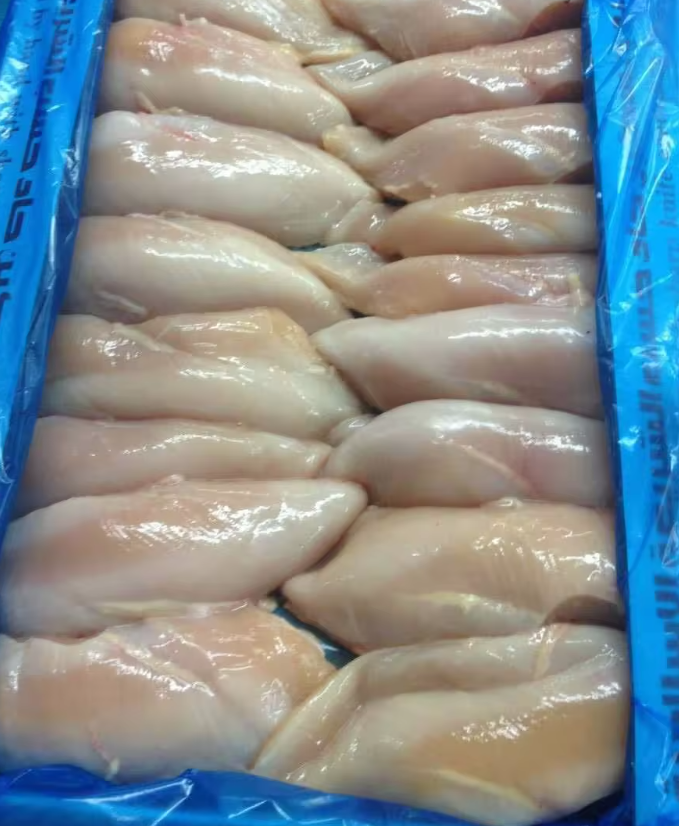
Chicken breast is one of the most versatile poultry products available to consumers, restaurants, food manufacturers, caterers, retailers, wholesalers and international food distributors. Its mild flavor, lean meat profile and adaptability to different cooking methods make it a popular choice for everyday meals as well as commercial food production.
Whether you are purchasing poultry for a supermarket, restaurant chain, hotel, catering operation, food manufacturing facility or wholesale distribution business, sourcing from a dependable supplier is essential.
RKGCLDS works with suppliers and partners to help buyers obtain agricultural and food commodities according to agreed specifications, quantities, packaging preferences and destination-market requirements.
2. Why Choose RKGCLDS Chicken Breast?
Choosing the right poultry supplier involves more than simply comparing prices. Commercial buyers need consistency, communication, appropriate packaging, dependable logistics and products prepared according to agreed specifications.
RKGCLDS focuses on these important aspects of agricultural and commodity sourcing.
Our approach can provide buyers with:
- Carefully selected products
- Reliable supplier relationships
- Commercial quantities
- Flexible order discussions
- Professional communication
- Export-oriented preparation
- Packaging according to agreed requirements
- Logistics coordination
- International buyer support
- Long-term supply relationships
RKGCLDS explains that its sourcing process emphasizes reliable suppliers, product quality, quantities, packaging and preparation for international shipment.
For buyers looking for chicken breast wholesale, this approach can make procurement easier by creating a direct commercial channel between supply partners and buyers.
3. Product Quality and Selection
Quality is one of the most important considerations when purchasing poultry products in commercial quantities.
A suitable chicken breast supply program should consider product appearance, handling, packaging, storage conditions, temperature management, specifications and destination-market requirements.
RKGCLDS places quality at the center of its sourcing philosophy, emphasizing careful selection, proper handling, professional packaging and products prepared according to agreed specifications.
For buyers, product specifications can be discussed according to intended application and market requirements.
Depending on the buyer’s requirements, discussions may include:
- Product format
- Fresh or frozen requirements
- Boneless or bone-in specifications
- Skin-on or skinless requirements
- Weight range
- Packaging format
- Carton configuration
- Quantity requirements
- Destination market
- Shipping requirements
- Documentation requirements
Because requirements vary between markets and customers, buyers should communicate their exact specifications before placing a commercial order.
4. Fresh and Frozen Chicken Breast Supply
Chicken breast may be supplied through fresh or frozen channels depending on market requirements, logistics, intended use and buyer specifications.
Fresh poultry requires controlled refrigeration and prompt handling because raw poultry is perishable. USDA guidance recommends keeping fresh chicken refrigerated at 40°F (4°C) or below and using or freezing fresh poultry within the recommended storage period.
Frozen poultry can provide advantages for international distribution because freezing can help extend the practical commercial supply window when the cold chain is properly maintained.
For international buyers, the preferred product condition should be agreed before purchasing.
RKGCLDS can discuss product requirements with buyers based on quantity, packaging preferences, destination and commercial specifications.
5. Chicken Breast for Wholesale Buyers
Wholesale poultry buyers need products that can be distributed efficiently to retailers, restaurants, catering companies, food manufacturers and other commercial customers.
Chicken breast is particularly useful in wholesale markets because it can be sold through numerous channels.
Potential wholesale customers include:
- Food distributors
- Supermarkets
- Grocery retailers
- Hotels
- Restaurants
- Catering companies
- Foodservice operators
- Food manufacturers
- Meal-preparation businesses
- Institutional kitchens
- Hospitality companies
- International importers
A reliable supply relationship can help commercial buyers plan inventory, manage customer demand and maintain continuity.
RKGCLDS welcomes buyers interested in discussing product specifications, quantities, packaging requirements and shipping arrangements. The company states that it supports smaller commercial quantities as well as larger wholesale shipments according to buyer requirements.
6. Chicken Breast for Restaurants and Foodservice
Restaurants value chicken breast because it can be incorporated into an extensive range of menus.
It can be grilled, roasted, baked, sautéed, pan-seared, stir-fried or incorporated into prepared dishes.
Popular applications include:
Grilled Chicken
Grilled chicken breast can be served with vegetables, rice, potatoes, salads and sauces.
Chicken Sandwiches
Chicken breast can be used in sandwiches, wraps and burgers, creating convenient menu options.
Chicken Salads
Cooked chicken breast can be sliced or diced and added to salads with vegetables, grains, dressings and other ingredients.
Chicken Pasta
Chicken breast works well with pasta, cream sauces, tomato sauces, herbs and vegetables.
Chicken Rice Dishes
Diced or sliced chicken can be incorporated into rice bowls, fried rice and other commercial meal formats.
Catering
Large catering operations can use chicken breast for buffets, plated meals, boxed lunches and prepared meals.
Its neutral flavor allows chefs to adapt the product to local cuisines and different customer preferences.
7. Chicken Breast for Food Processing
Food manufacturers can use chicken breast as an ingredient in a broad range of prepared foods.
Potential applications include:
- Chicken strips
- Chicken portions
- Chicken sandwiches
- Chicken salads
- Ready meals
- Frozen meals
- Chicken wraps
- Chicken pasta products
- Chicken rice meals
- Prepared food products
- Catering products
- Institutional meals
For processors, specifications should be agreed before shipment. Weight, trimming, packaging, temperature condition and other technical requirements can differ according to the manufacturing process.
RKGCLDS works with buyers to discuss specifications, quantities and packaging requirements so that commercial orders can be organized around the customer’s intended application.
8. Culinary Applications
The versatility of chicken breast makes it suitable for home kitchens and commercial food operations.
It can be seasoned with herbs and spices, marinated before cooking, combined with sauces or incorporated into recipes from different culinary traditions.
Popular preparation methods include:
- Baking
- Grilling
- Roasting
- Pan-frying
- Sautéing
- Stir-frying
- Poaching
- Steaming
- Air frying
- Slow cooking after appropriate preparation
Chicken breast can also be sliced, diced, shredded or served as a whole portion depending on the recipe.
Its adaptability makes it suitable for Asian, African, European, Middle Eastern and American-inspired dishes.
9. Nutritional and Dietary Considerations
Chicken breast is widely recognized as a versatile source of protein and is commonly included in balanced meal plans.
Its nutritional profile can vary according to whether the product is skinless or skin-on, raw or cooked, and whether additional ingredients such as oil, sauces, breading or marinades are added.
For buyers marketing poultry products, nutritional labeling should be based on the actual product specification and applicable regulations in the destination market.
Commercial customers should also ensure that any nutrition claims made on packaging or advertising comply with the regulations applicable to their market.
Chicken breast can be incorporated into:
- High-protein meal concepts
- Balanced meals
- Fitness-oriented menus
- Family meals
- Restaurant dishes
- Prepared meal programs
- Catering menus
- Institutional foodservice
10. Packaging and Commercial Supply
Professional packaging is essential for maintaining product integrity during storage, transportation and distribution.
RKGCLDS states that it works with suppliers to provide products that are professionally packaged and prepared according to agreed specifications.
Commercial buyers should specify their preferred packaging requirements before an order is finalized.
Potential considerations include:
- Unit size
- Quantity per package
- Carton size
- Net weight
- Gross weight
- Labeling
- Product identification
- Batch information
- Storage instructions
- Destination-market requirements
Packaging requirements can vary considerably between domestic and international markets.
For export orders, buyers should provide complete destination information so that packaging, documentation and logistics requirements can be reviewed before shipment.
11. Storage and Cold-Chain Handling
Proper cold-chain management is essential for raw poultry.
According to USDA food-safety guidance, fresh chicken should be refrigerated at 40°F (4°C) or below and fresh poultry should generally be used or frozen within 1–2 days.
For frozen poultry, maintaining appropriate freezer conditions is important for preserving product quality.
Buyers and distributors should:
- Maintain the required storage temperature.
- Avoid unnecessary temperature fluctuations.
- Keep poultry properly packaged.
- Prevent contact between raw poultry and ready-to-eat foods.
- Follow product labeling and storage instructions.
- Maintain appropriate transportation conditions.
- Monitor cold-chain performance.
USDA recommends keeping refrigerators at 40°F or below and freezers at 0°F or below, while also emphasizing secure packaging and appropriate handling of meat and poultry.
12. Safe Preparation and Cooking
Food safety is an essential consideration when handling raw poultry.
USDA recommends four basic principles: clean, separate, cook and chill. Raw poultry should be kept separate from foods that will be eaten without further cooking to reduce cross-contamination risks.
Chicken breast should be cooked to a safe minimum internal temperature of 165°F (74°C) as measured with a food thermometer.
Consumers should avoid relying only on color to determine whether poultry is safely cooked.
Safe preparation practices include:
- Wash hands before and after handling raw poultry.
- Keep raw chicken separate from ready-to-eat foods.
- Use clean utensils and preparation surfaces.
- Refrigerate perishable poultry promptly.
- Thaw poultry safely.
- Cook poultry thoroughly.
- Use a food thermometer to verify temperature.
USDA also advises against washing raw chicken because rinsing can spread bacteria and contaminate nearby surfaces.
For additional authoritative information, buyers and consumers can consult the USDA Food Safety and Inspection Service poultry guidance.
13. Export and International Trade
International poultry trade requires careful attention to destination-market requirements.
Import regulations, veterinary documentation, health certificates, labeling requirements, packaging standards, customs procedures and permitted product categories can vary between countries.
For this reason, international buyers should communicate their destination market and purchasing requirements before confirming an order.
RKGCLDS describes its business as having a global-market focus and states that it prepares agricultural commodities according to agreed product specifications, packaging requirements and shipping arrangements.
This export-oriented approach can be valuable for importers and distributors looking for a commercial sourcing partner.
Potential buyers include:
- International importers
- Poultry distributors
- Food wholesalers
- Restaurant supply companies
- Food manufacturers
- Supermarket suppliers
- Catering companies
- Hospitality groups
- Trading companies
14. Quality Control and Product Consistency
Consistency matters greatly in commercial poultry purchasing.
Restaurants need predictable portion sizes. Food processors need products compatible with manufacturing processes. Distributors need reliable packaging and documentation. Retailers need products that meet their market requirements.
For these reasons, commercial buyers should clearly specify their requirements before purchasing.
Important quality considerations may include:
- Product condition
- Weight
- Trim specification
- Packaging
- Storage temperature
- Quantity
- Labeling
- Documentation
- Delivery destination
- Shipping schedule
RKGCLDS states that it works with reliable suppliers and focuses on quality, cleanliness, moisture content where applicable, packaging, storage and preparation for international shipment.
15. Why Buy Chicken Breast from RKGCLDS?
RKGCLDS offers a sourcing-focused approach designed to connect buyers with agricultural and commercial suppliers.
Reliable Sourcing
The company works with reliable suppliers and farming partners to help buyers obtain consistent agricultural commodities.
Competitive Commercial Approach
RKGCLDS states that its sourcing network allows it to pursue competitive prices while maintaining appropriate product quality.
Export-Ready Solutions
Products can be prepared according to agreed specifications, packaging requirements and shipping arrangements.
Flexible Quantities
Buyers can discuss smaller commercial quantities or larger wholesale requirements.
Professional Communication
Clear communication from inquiry through shipment coordination is an important part of commercial sourcing.
International Market Focus
RKGCLDS serves buyers seeking agricultural products for international trade, processing, distribution and commercial use.
16. Ordering and Buyer Requirements
Customers interested in purchasing chicken breast should provide as much information as possible when submitting an inquiry.
Recommended information includes:
- Required quantity
- Fresh or frozen preference
- Product specification
- Packaging preference
- Destination country
- Delivery location
- Intended application
- Required shipping schedule
- Labeling requirements
- Documentation requirements
Providing complete information allows the supplier to evaluate the order more efficiently.
For additional information about RKGCLDS, buyers can visit the company’s About Us page and Contact Us page.
The RKGCLDS website identifies the company as a sourcing, supply, processing and export partner for agricultural products and commercial buyers.




Reviews
There are no reviews yet.