
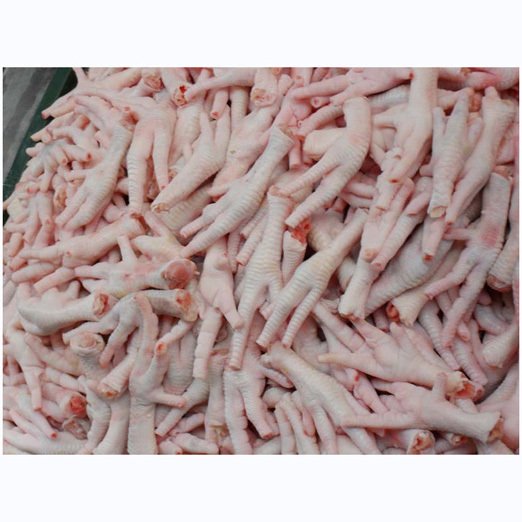
Introduction to Chicken Wings
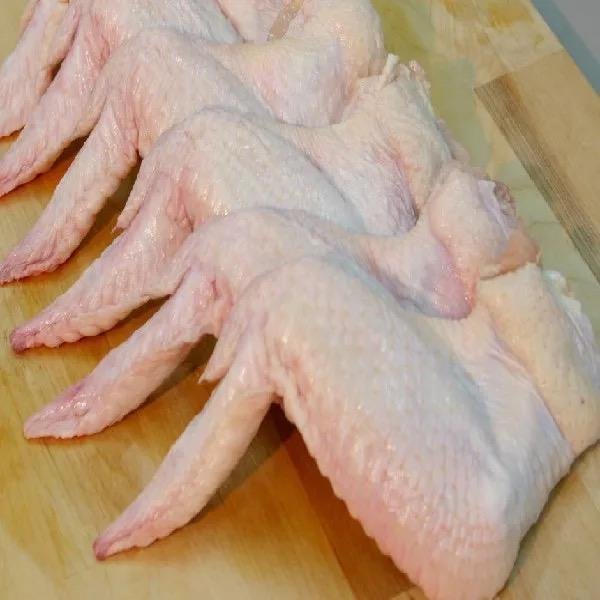
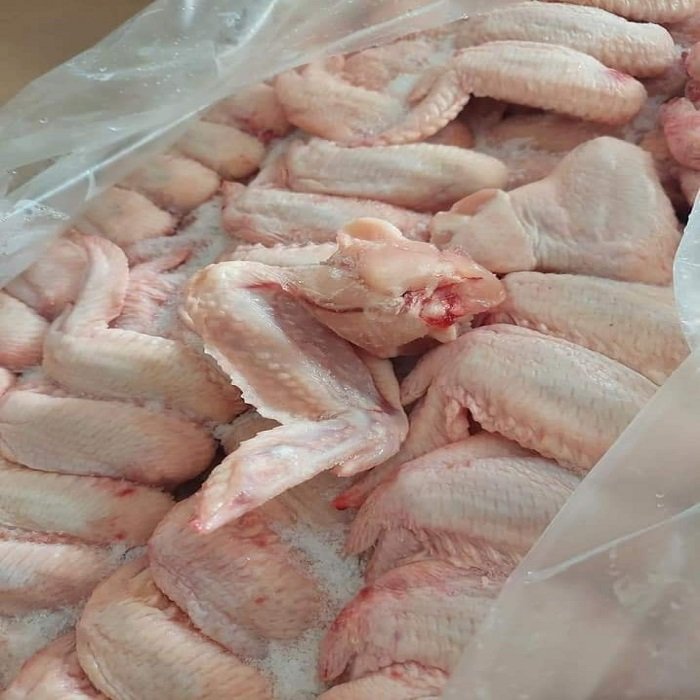
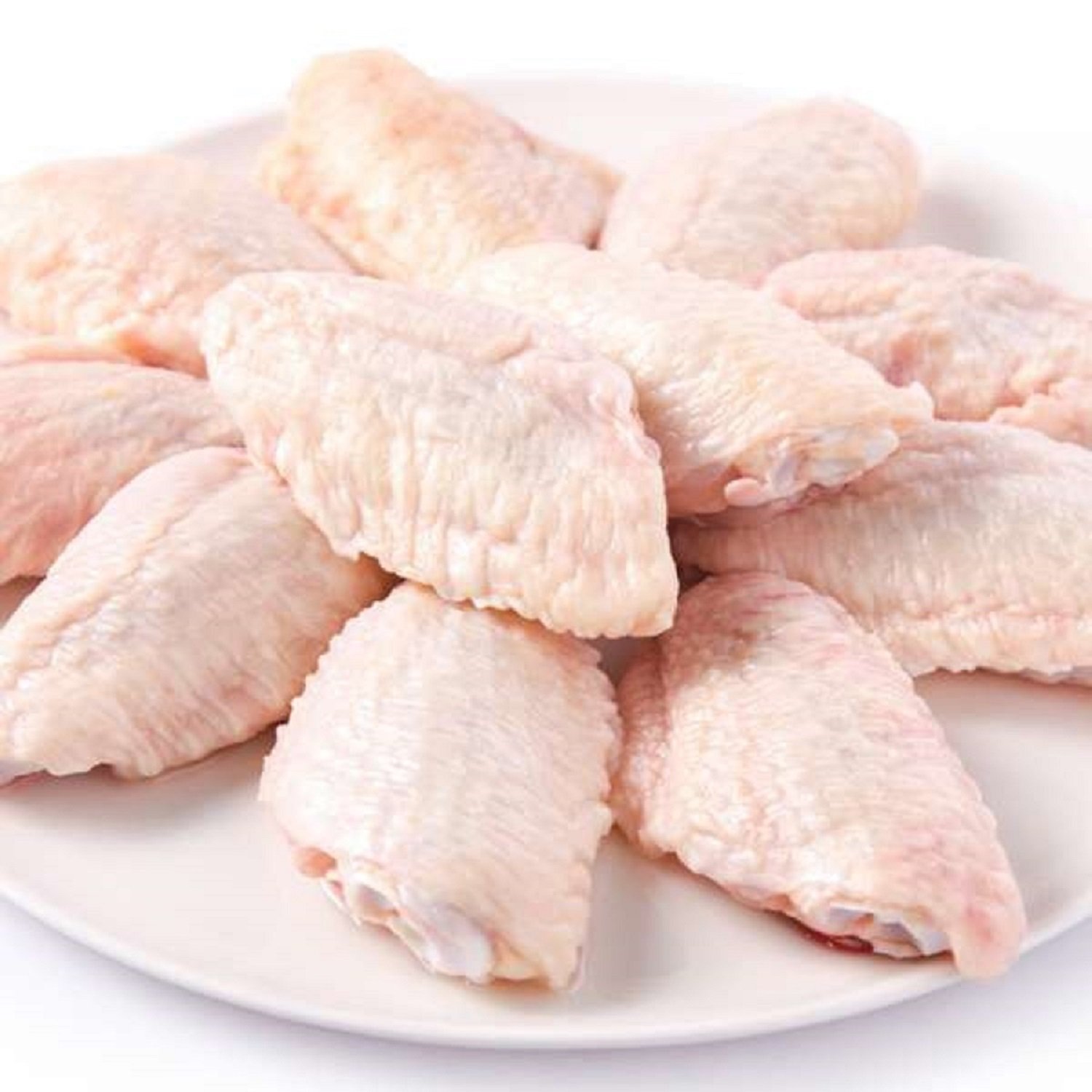
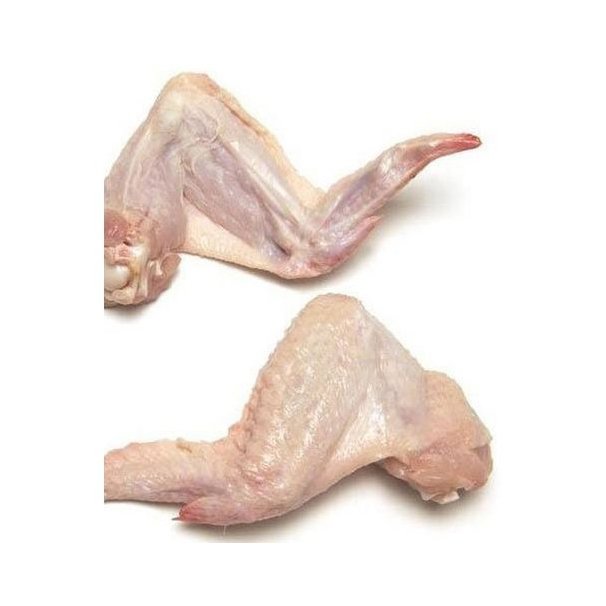
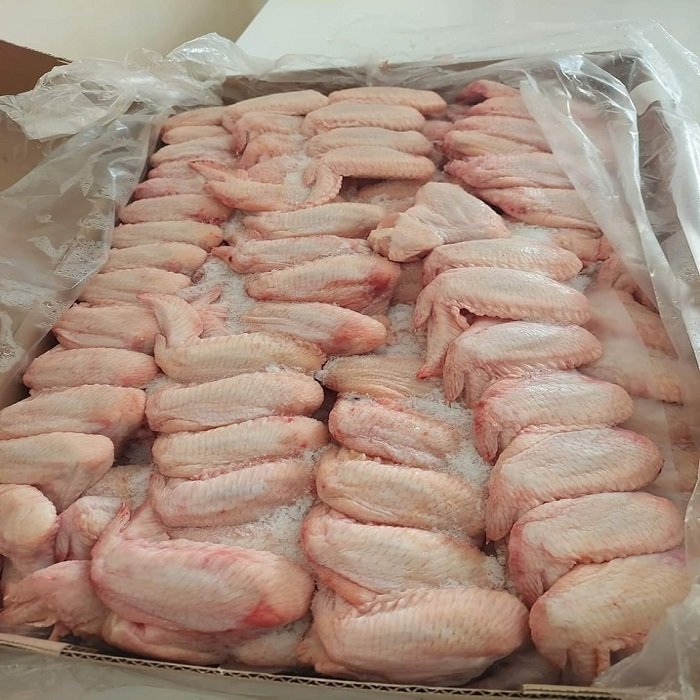
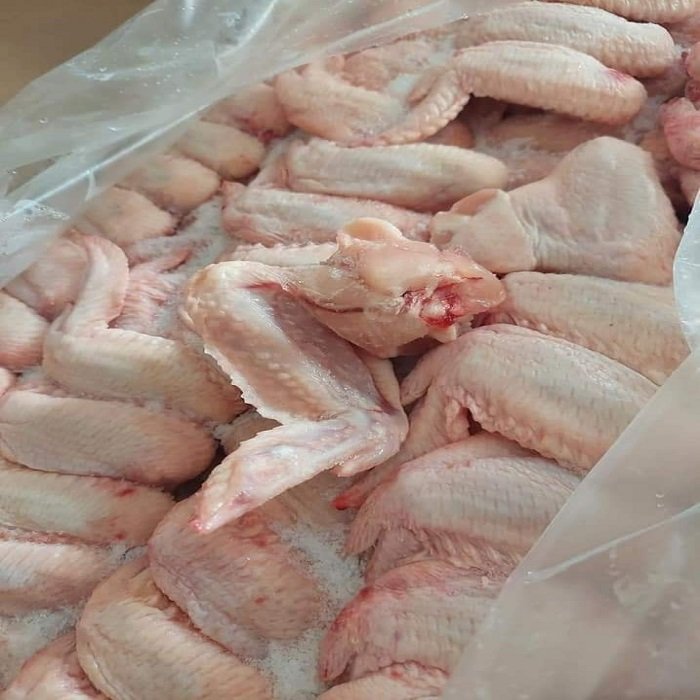
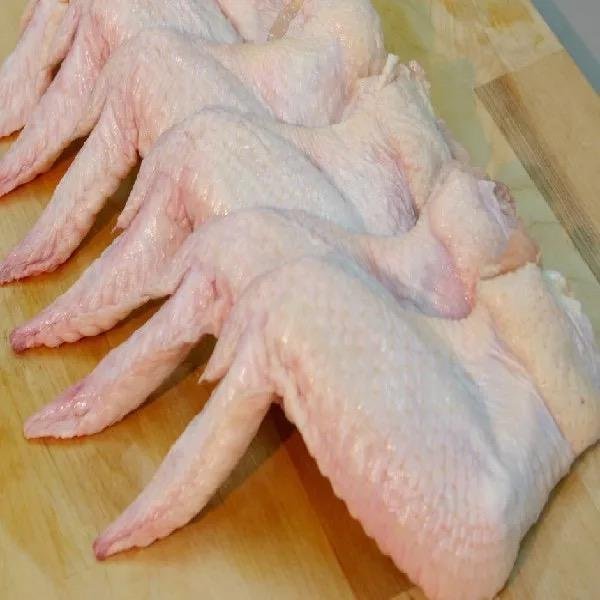
Chicken Wings are one of the most versatile poultry products in the global food market. Popular among restaurants, food-service operators, wholesalers, distributors, caterers and households, chicken wings can be prepared using numerous cooking methods and flavor profiles. Their combination of tender meat, skin and bone makes them particularly suitable for grilling, frying, baking, roasting, smoking and food-service preparation.
Whether your business requires poultry products for food-service operations, wholesale distribution or international trade, the right supplier can help simplify sourcing and shipment coordination.
2. Why Choose RKGCLDS for Chicken Wings?
RKGCLDS positions itself as a supplier and sourcing partner serving wholesalers, food processors, manufacturers, distributors, retailers and international traders. Its stated approach includes working with reliable suppliers and preparing commodities according to agreed specifications, packaging requirements and shipping arrangements.
When purchasing Chicken Wings, commercial buyers generally need more than an attractive price. They need consistency, communication, appropriate handling, suitable packaging and dependable logistics.
RKGCLDS focuses on several important elements:
Reliable Agricultural Sourcing
RKGCLDS works with suppliers and farming partners to source agricultural products while paying attention to product quality, cleanliness, packaging, storage and preparation for international shipment.
Flexible Order Quantities
Different buyers have different requirements. A restaurant may require regular commercial quantities, while a distributor or importer may need larger shipments. RKGCLDS states that it can discuss smaller commercial quantities as well as larger wholesale shipments.
Export-Ready Preparation
International poultry trade requires attention to product specifications, packaging, shipping arrangements and destination-market requirements. RKGCLDS describes its agricultural commodities as being prepared according to agreed specifications and shipping requirements.
Professional Customer Service
Clear communication is important throughout the purchasing process. Buyers can discuss product requirements, quantities, packaging preferences and delivery arrangements with the RKGCLDS team.
For more information about the company and its sourcing approach, visit the RKGCLDS Home Page.
3. Product Quality and Selection
Quality is one of the most important considerations when sourcing poultry for commercial use. Buyers typically look for consistent appearance, appropriate handling, suitable packaging and reliable supply.
The exact specifications of Chicken Wings can vary according to buyer requirements and destination-market standards. Depending on the transaction, buyers may request specifications relating to size, cut, quantity, packaging, frozen or chilled condition, labeling and shipment requirements.
RKGCLDS emphasizes careful selection, proper handling and professional packaging across its agricultural supply activities.
Product Specification Considerations
Before confirming an order, buyers should clearly establish:
- Product type and cut
- Fresh, chilled or frozen condition
- Size or weight range
- Quantity required
- Packaging format
- Carton configuration
- Labeling requirements
- Country of origin
- Required certificates
- Destination-market standards
- Shipping terms
- Delivery destination
- Inspection requirements
- Payment terms
- Production or shipment schedule
These details help both buyer and supplier establish clear commercial expectations.
4. Chicken Wings for Wholesale Buyers
Wholesale poultry buyers need dependable supply and predictable product specifications. Chicken Wings are suitable for businesses that purchase poultry in commercial quantities and redistribute it through restaurants, supermarkets, catering companies, food-service businesses or regional distributors.
A strong wholesale supplier should be able to communicate clearly about availability, specifications, packaging and shipment schedules.
RKGCLDS is structured around connecting farmers, processors, suppliers, wholesalers, importers, distributors and international buyers.
Benefits for Wholesale Customers
Wholesale customers can benefit from:
- Commercial purchasing options
- Flexible quantity discussions
- Product specification matching
- Professional packaging
- Export preparation
- Shipment coordination
- Supplier communication
- International market orientation
For wholesalers, consistent documentation and communication can be as important as the physical product. Buyers should provide complete specifications at the inquiry stage so that suppliers can respond accurately.
5. Chicken Wings for Restaurants and Food Service
Restaurants and food-service businesses have helped make wings a globally recognized menu item. They can be seasoned, breaded, grilled, smoked, baked or fried and paired with sauces ranging from mild and savory to spicy and sweet.
For commercial kitchens, poultry wings can be useful because they support multiple menu concepts. A restaurant can develop traditional wing dishes, barbecue offerings, spicy preparations, grilled products and specialty recipes.
Food-service operators should consider:
Menu Flexibility
Wings can be incorporated into appetizers, sharing platters, main meals, buffet services and catering menus.
Portion Control
Commercial kitchens can establish standardized portions based on product size and customer demand.
Consistent Preparation
Consistent sourcing can help restaurants maintain predictable preparation processes, cooking times and menu presentation.
Catering Applications
Wings are also convenient for events, parties, hospitality services and catering operations where finger foods and shareable dishes are popular.
Businesses interested in discussing supply requirements can use the RKGCLDS Contact Page to initiate an inquiry.
6. Processing, Handling and Packaging
Proper handling is essential when dealing with poultry products. Food safety depends on maintaining appropriate hygiene, temperature control and separation between raw poultry and ready-to-eat foods.
The Food and Agriculture Organization notes that poultry meat safety depends on effective control systems and highlights the importance of managing risks associated with pathogens such as Salmonella and Campylobacter.
Packaging should be selected according to the product condition, transportation method, buyer requirements and destination-market regulations.
Packaging Considerations
Commercial poultry packaging may be designed to support:
- Product protection
- Hygienic handling
- Cold-chain transportation
- Identification and traceability
- Efficient warehouse storage
- International shipment
- Retail or food-service distribution
The precise packaging configuration should always be confirmed with the supplier before purchase.
RKGCLDS states that it pays attention to packaging, storage and preparation for international shipment as part of its sourcing process.
7. Cold Chain and Storage Considerations
Temperature management is an important consideration when purchasing poultry. Buyers should follow applicable food-safety regulations and the storage instructions supplied with the product.
For frozen poultry, maintaining an uninterrupted cold chain from processing through transportation and storage is particularly important. Importers and distributors should ensure that their receiving facilities, warehouses and delivery systems are capable of maintaining the required product temperature.
Storage planning should consider:
- Product condition
- Storage temperature
- Transportation duration
- Warehouse capacity
- Delivery schedules
- Inventory rotation
- Packaging integrity
- Local food regulations
The FAO explains that poultry meat products are commonly exported frozen and that sanitary requirements play an important role in international poultry trade.
8. Cooking and Food Safety
Food safety should always be a priority when preparing poultry. The USDA Food Safety and Inspection Service recommends cooking poultry, including wings, to a minimum internal temperature of 165°F (73.9°C) measured with a food thermometer. The thermometer should be placed in the thickest portion while avoiding the bone.
Consumers and food-service workers should also avoid cross-contamination between raw poultry and ready-to-eat foods. USDA specifically advises against washing raw poultry because splashing water can spread bacteria around the kitchen.
Safe Preparation Principles
For raw poultry:
- Keep raw poultry separate from ready-to-eat foods.
- Wash hands thoroughly after handling raw poultry.
- Use appropriate food-contact surfaces.
- Cook poultry thoroughly.
- Check the internal temperature with a food thermometer.
- Refrigerate leftovers promptly.
- Follow the product’s storage instructions.
USDA guidance states that perishable food should not remain at room temperature for more than two hours under normal conditions.
These recommendations are general food-safety guidance and do not replace the regulations applicable in the buyer’s country.
9. Commercial Applications
The versatility of Chicken Wings makes them suitable for many commercial applications.
Restaurants
Restaurants can use wings for appetizers, sharing platters, specialty dishes and signature sauces.
Hotels
Hotels and hospitality businesses can incorporate wings into room-service menus, buffets, banquets and casual dining menus.
Catering Companies
Caterers can use wings for parties, sporting events, corporate functions and social gatherings.
Supermarkets
Retailers can sell packaged poultry products through chilled or frozen food sections, subject to applicable regulations.
Food Processors
Food processors may use wings in marinated, seasoned, breaded or cooked poultry products, depending on their production requirements.
Distributors
Food distributors can supply restaurants, retailers, institutions and other commercial customers.
International Traders
Importers and exporters can source poultry according to destination-market specifications and regulatory requirements.
The FAO reports that international poultry trade has expanded significantly and that poultry meat is commonly traded frozen, although market access is influenced by disease conditions and sanitary requirements.
10. International Export and Global Supply
International poultry trading requires careful coordination between supplier, buyer, logistics providers and regulatory authorities.
Buyers should verify the import requirements of their destination country before placing an order. These may include veterinary certificates, health certificates, labeling rules, approved establishments, inspection procedures, customs documentation and other sanitary or phytosanitary requirements.
RKGCLDS states that it serves buyers interested in international trade, food processing, distribution and commercial agricultural products.
Export Planning
A successful shipment may require coordination of:
- Product specifications
- Quantity
- Packaging
- Documentation
- Inspection
- Cold-chain logistics
- Shipping schedule
- Destination port
- Import permits
- Customs clearance
- Buyer receiving arrangements
For international buyers, early communication is recommended because destination-country requirements can affect product availability, documentation and shipping arrangements.
11. Benefits for Importers and Distributors
Importers purchasing poultry generally want dependable supply, transparent communication and commercially practical specifications.
RKGCLDS emphasizes reliable sourcing, competitive pricing, export-ready preparation, flexible order quantities and professional service.
Consistent Commercial Planning
A clearly defined specification helps buyers compare offers and plan inventory.
Flexible Procurement
Different customers require different shipment sizes. Discussing quantity requirements directly with the supplier can help establish an appropriate commercial arrangement.
Professional Packaging
Packaging should protect the product throughout storage and transportation while meeting the buyer’s requirements.
International Market Focus
RKGCLDS describes its business as serving international buyers and supporting agricultural trade from suppliers to global markets.
12. How to Order Chicken Wings
When requesting a quotation, buyers should provide enough information for the supplier to prepare an accurate offer.
A useful inquiry can include:
Product: Chicken Wings
Required quantity: Specify cartons, kilograms or metric tons
Condition: Fresh, chilled or frozen
Specification: State preferred size or cut
Packaging: State preferred carton or retail configuration
Destination: Country and port/city
Required delivery schedule: Provide target timeframe
Documentation: Identify required certificates
Inspection: State whether third-party inspection is required
Commercial terms: Discuss preferred payment and shipping terms
Providing this information early can reduce misunderstandings and make the quotation process more efficient.
For the company’s available agricultural products, visit the RKGCLDS Shop Collection.
13. Why RKGCLDS Is a Reliable Agricultural Supply Partner
RKGCLDS describes its mission around connecting reliable suppliers with international buyers while emphasizing quality, consistency, transparency and customer satisfaction.
Its stated sourcing approach includes working with farmers, cooperatives, local suppliers, processors and international buyers to create dependable agricultural supply relationships.
For a poultry buyer, this business model can provide a straightforward starting point for discussing product specifications and commercial requirements.
RKGCLDS also states that it can prepare agricultural commodities according to agreed product specifications, packaging preferences and shipping arrangements.
The objective is not simply to sell a commodity but to establish a dependable supply relationship that considers product requirements, quantity, packaging and logistics.





Reviews
There are no reviews yet.