
What Is ICUMSA 45 White Refined Sugar?
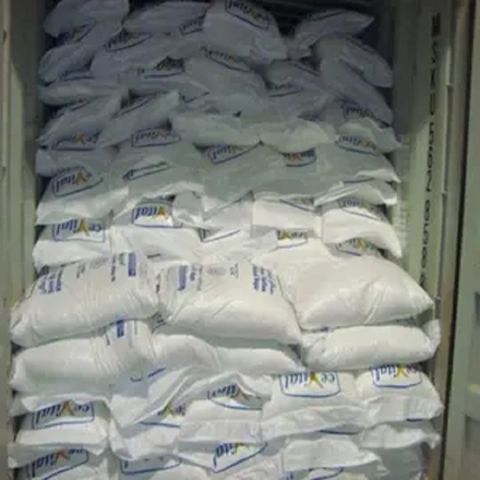
ICUMSA 45 white refined sugar is a highly refined crystalline cane sugar intended for applications where a bright appearance, clean sweetness, reliable dissolution, and consistent quality are important. The term ICUMSA refers to the International Commission for Uniform Methods of Sugar Analysis, while the number associated with a grade refers to its color value under the relevant analytical system.
White refined sugar is purified and crystallized sucrose. The Codex Standard for Sugars identifies white sugar as purified and crystallized sucrose with polarization of not less than 99.7°Z.
For international buyers, ICUMSA 45 sugar is commonly positioned as a high-quality refined sugar with very low color. A representative commercial specification can include polarization around 99.80°Z minimum, moisture around 0.04% maximum, ash around 0.04% maximum and ICUMSA color not exceeding 45 IU. However, the exact specification must always be verified against the supplier’s current certificate of analysis and sales contract.
For businesses purchasing large quantities, product consistency is especially important. Food processors and distributors need sugar that can be incorporated into recipes, production systems and finished products without unnecessary variation.
RKGCLDS provides an international sourcing and trading platform through its website:
Internal link: RKGCLDS – Official Website
Premium Quality and Appearance
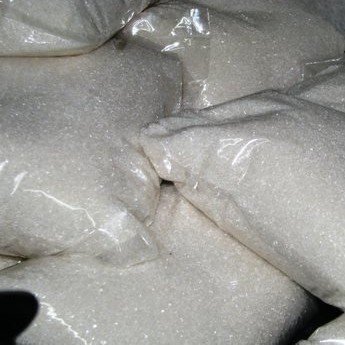
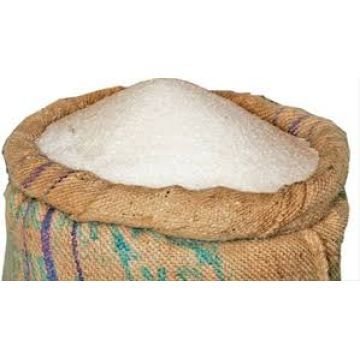
One of the defining characteristics of premium refined sugar is its clean, bright appearance. High-quality refined crystals are generally white and free-flowing, making them suitable for retail, food manufacturing and industrial processing.
The low color associated with an ICUMSA 45 grade makes this sugar particularly attractive for products where visual appearance matters. Clear beverages, confectionery products, bakery items and many processed foods can benefit from a refined sugar that does not unnecessarily alter the color of the finished product.
A representative export specification for ICUMSA 45 sugar may identify:
- High polarization
- Low moisture
- Low ash content
- Low color value
- Fine-to-medium crystal size
- Good solubility
- Free-flowing crystals
- Clean sweetness
- Suitable packaging for international transportation
These characteristics make refined cane sugar a practical ingredient for businesses requiring dependable bulk sugar supply.
Technical Characteristics
The following table provides an example of commonly requested commercial parameters for an ICUMSA 45 specification. Buyers should request the current Certificate of Analysis before finalizing a purchase.
| Parameter | Representative Specification |
|---|---|
| Product | Refined white cane sugar |
| Grade | ICUMSA 45 |
| Polarization | ≥ 99.80°Z* |
| ICUMSA Color | ≤ 45 IU* |
| Moisture | ≤ 0.04%* |
| Ash | ≤ 0.04%* |
| Appearance | Bright white, free-flowing crystals |
| Granulation | Fine to medium |
| Solubility | Dry and free-flowing; readily soluble |
| Origin | To be confirmed per shipment |
| Packaging | Subject to buyer requirement |
| Inspection | Independent inspection available subject to contract |
| Certificate | Certificate of Analysis supplied according to transaction terms |
*Representative commercial values; final specifications should be confirmed in the applicable sales contract and Certificate of Analysis.
For comparison, Brazilian regulatory parameters for refined granulated sugar specify minimum polarization of 99.80%, maximum moisture of 0.05%, maximum ICUMSA color of 60 IU and maximum conductivity ash of 0.04% for the referenced category.
This distinction is important for professional buyers: a product marketed as an ICUMSA 45 grade should be supported by appropriate documentation rather than relying only on a marketing description.
Applications of Refined White Sugar
Refined sugar has an exceptionally broad range of commercial applications. Its primary function is sweetness, but sugar also contributes to texture, color development, preservation, fermentation and product structure.
Beverage Manufacturing
Sugar is widely used by beverage manufacturers in:
- Soft drinks
- Fruit beverages
- Energy drinks
- Flavored beverages
- Syrups
- Ready-to-drink products
- Concentrates
- Dairy beverages
- Juice-based formulations
Its clean sweetness allows manufacturers to formulate beverages with predictable taste characteristics.
Bakery Manufacturing
Commercial bakeries use refined sugar in:
- Bread
- Cakes
- Cookies
- Biscuits
- Pastries
- Muffins
- Doughnuts
- Sweet rolls
- Dessert products
In baking, sugar can influence sweetness, texture, browning and moisture retention.
Confectionery Production
Refined sugar is a fundamental raw material for confectionery manufacturers producing:
- Candies
- Toffees
- Caramels
- Fondants
- Gummies
- Marshmallows
- Chocolate products
- Hard sweets
- Sugar coatings
Its consistent crystal quality is valuable in manufacturing environments where formulation accuracy matters.
Sugar for Bakery and Confectionery
A commercial bakery needs ingredients that perform consistently from batch to batch. Sugar affects more than sweetness. Depending on the recipe and process, it can influence browning, moisture management, mouthfeel and structure.
For confectionery producers, crystal characteristics can also influence dissolution and processing.
This is why professional buyers often look beyond price and consider:
- Purity
- Color
- Moisture
- Crystal size
- Solubility
- Packaging
- Documentation
- Shipment consistency
- Inspection
- Delivery schedule
For large-scale buyers, these factors can have a significant impact on production efficiency.
Benefits for Wholesale Buyers
Purchasing refined sugar in bulk can provide several commercial advantages.
Consistent Raw Material
Food manufacturers need ingredients with predictable characteristics. Consistent refined sugar helps production teams maintain established recipes and manufacturing procedures.
Versatile Ingredient
Sugar can be used across numerous industries, making it an attractive commodity for distributors and food ingredient wholesalers.
International Demand
Refined cane sugar is traded internationally and is used by food manufacturers, beverage companies, bakeries and confectionery businesses across multiple markets.
Easy Integration Into Production
Free-flowing crystalline sugar is convenient to handle, weigh, transport and introduce into many production systems.
Commercial Scalability
Wholesale procurement allows qualified buyers to source quantities appropriate for manufacturing, distribution and institutional requirements.
International Sugar Trading
International sugar procurement requires more than simply identifying a product. Buyers should consider product specifications, origin, packaging, loading location, inspection arrangements, shipping documentation, payment terms and delivery conditions.
At RKGCLDS, prospective buyers can use the company website to initiate discussions regarding product availability and commercial requirements.
Internal link: Contact RKGCLDS for Sugar Supply
When requesting a quotation, buyers should specify:
- Required quantity
- Destination country
- Preferred packaging
- Required specification
- Delivery terms
- Target shipment schedule
- Inspection requirements
- Required documentation
A professional purchase inquiry should contain sufficient information for the supplier or trading company to prepare an accurate commercial offer.
Quality Assurance and Inspection
Quality assurance is an essential component of international commodity trading.
For refined sugar, buyers may request documentation covering parameters such as polarization, color, moisture, ash, reducing sugars, sulfur dioxide and other relevant quality factors.
The Codex sugar standard includes composition and quality factors for white sugar, including conductivity ash, invert sugar and loss on drying.
ICUMSA analytical methods are used for several sugar quality measurements. Codex materials, for example, reference ICUMSA methods for parameters including color and invert sugar.
For bulk transactions, independent inspection can provide additional confidence by verifying the product against agreed contractual specifications.
Potential documentation may include:
- Certificate of Analysis
- Certificate of Origin
- Packing List
- Commercial Invoice
- Bill of Lading
- Inspection Certificate
- Health or sanitary documentation where applicable
- Other destination-specific documents
Documentation requirements can vary by country and transaction.
Packaging and Logistics
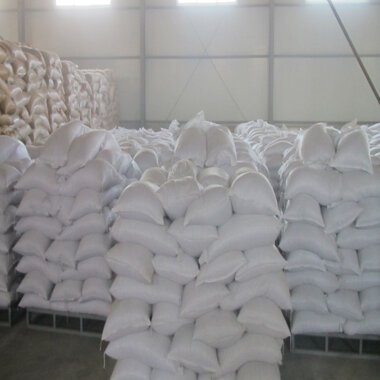
Bulk refined sugar can be supplied using packaging formats appropriate to the buyer’s requirements and logistics chain.
Common commercial packaging options may include:
- 25 kg bags
- 50 kg bags
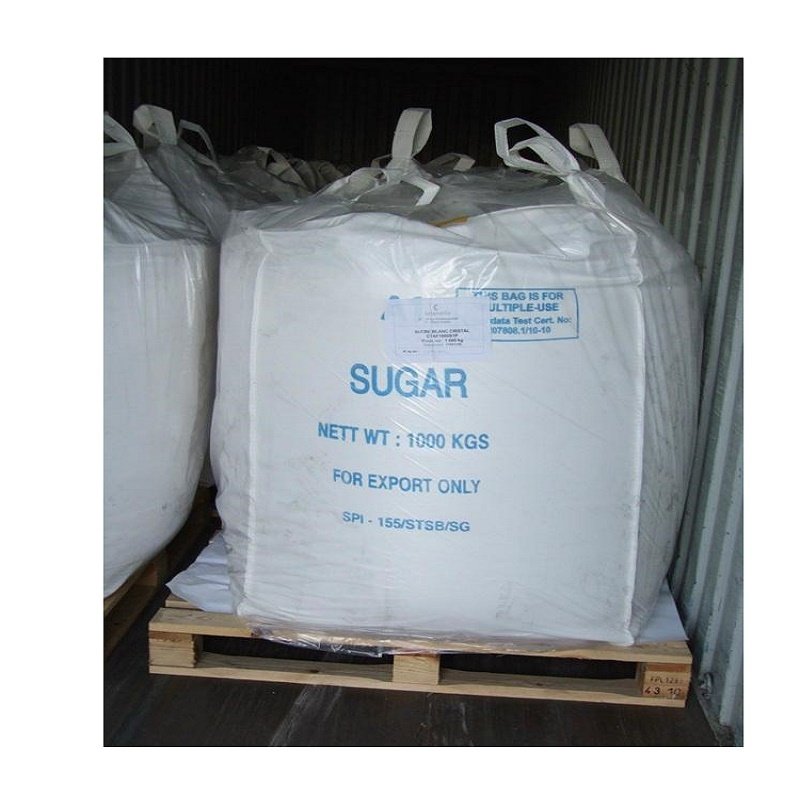
- 1 MT jumbo bags
- Bulk shipment
The actual packaging available should be confirmed before contracting.
Packaging selection can depend on:
- Destination
- Port handling requirements
- Storage facilities
- Distribution model
- End-user requirements
- Local import regulations
Proper packaging helps protect the product during handling, transportation and storage.
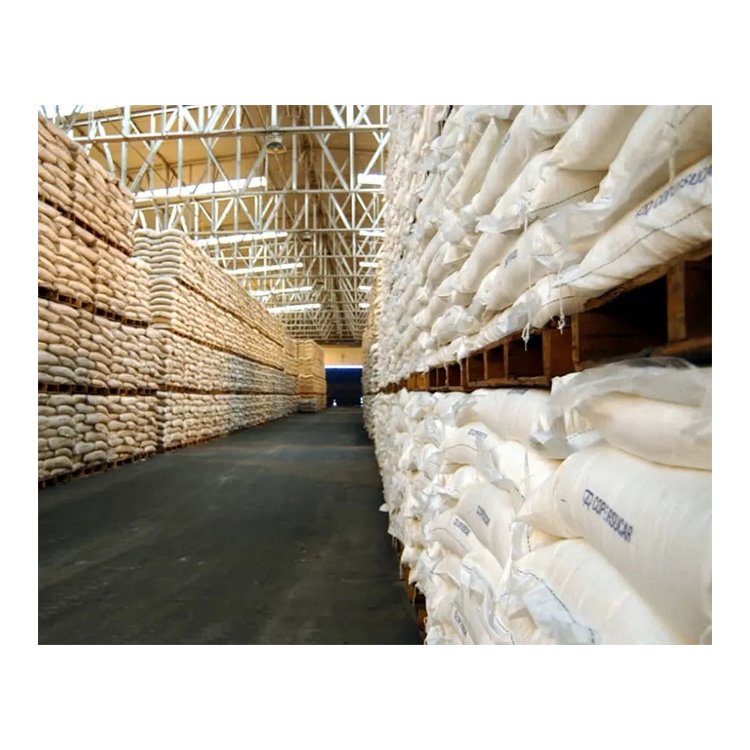
Buyers should also ensure that warehouses are clean, dry, well ventilated and protected from moisture and contamination.
Storage Recommendations
Refined sugar should be stored under appropriate conditions to preserve its physical quality.
Recommended commercial storage practices include:
Keep Sugar Dry
Moisture can affect the physical condition of crystalline sugar and may contribute to caking.
Use Clean Storage Areas
Warehouses should be clean and protected from contaminants, pests and foreign materials.
Protect From Strong Odors
Sugar should be stored away from materials that may transfer unwanted odors.
Maintain Appropriate Handling
Bags and bulk containers should be handled carefully to avoid unnecessary damage.
Follow FIFO Principles
For distribution operations, first-in-first-out inventory management can help maintain efficient stock rotation.
Why Choose RKGCLDS?
RKGCLDS is positioned to serve businesses looking for international commodity sourcing and supply solutions.
For buyers interested in refined sugar, an effective supplier relationship should focus on:
- Product specifications
- Transparent commercial communication
- Quantity requirements
- Documentation
- Packaging
- Logistics
- Inspection
- Delivery requirements
- Customer service
RKGCLDS can discuss specific requirements with prospective buyers and determine the appropriate commercial solution based on destination, volume and specification.
Internal link: Explore RKGCLDS Products and Services
How to Purchase ICUMSA 45 White Refined Sugar
The purchasing process can be straightforward when the buyer provides complete information.
Step 1: Submit Your Requirement
Send the required quantity, destination, packaging preference and specification.
Step 2: Confirm Product Specification
Review the applicable technical specification and request a Certificate of Analysis where appropriate.
Step 3: Discuss Commercial Terms
Agree on pricing, payment terms, delivery terms and shipment schedule.
Step 4: Confirm Documentation
Ensure the required export and import documents are agreed before shipment.
Step 5: Arrange Inspection
Where required, arrange independent inspection according to the contract.
Step 6: Shipment and Delivery
Once all contractual requirements have been completed, shipment can proceed according to the agreed logistics plan.


Reviews
There are no reviews yet.