
Introduction to Yellow Corn
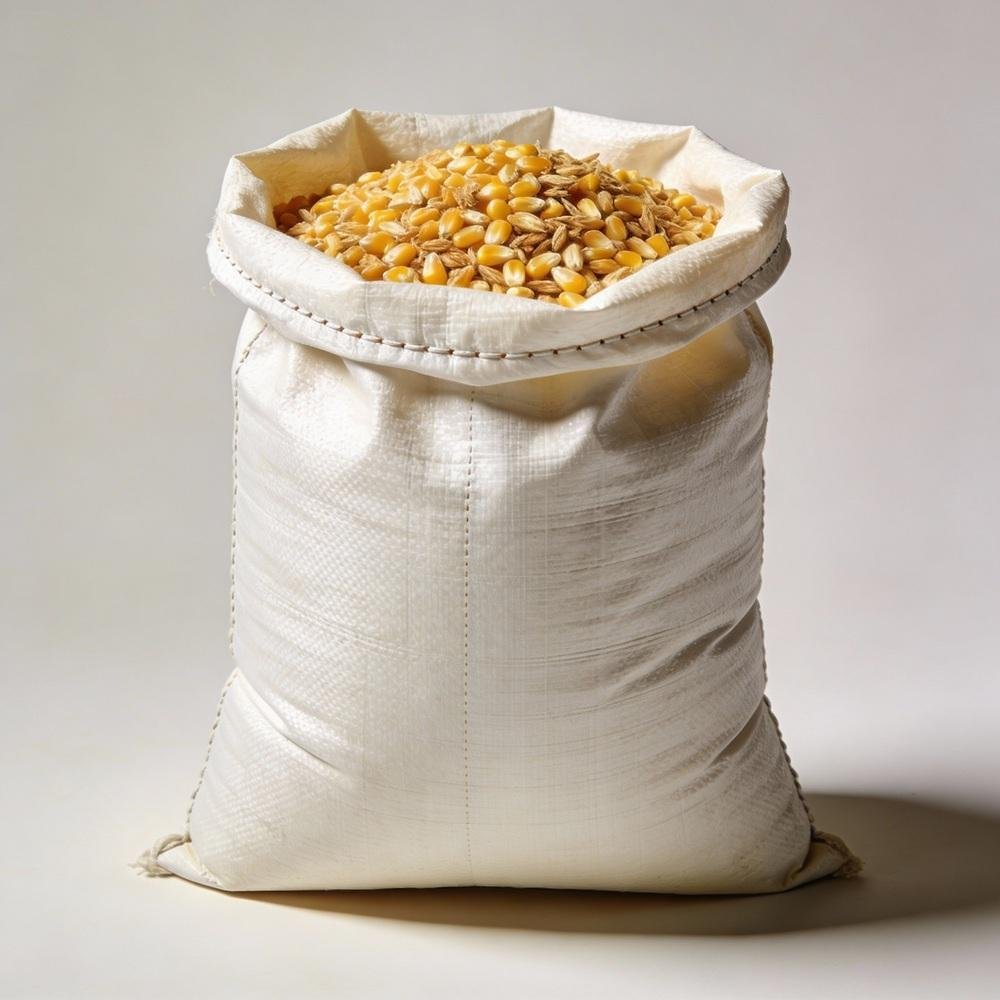
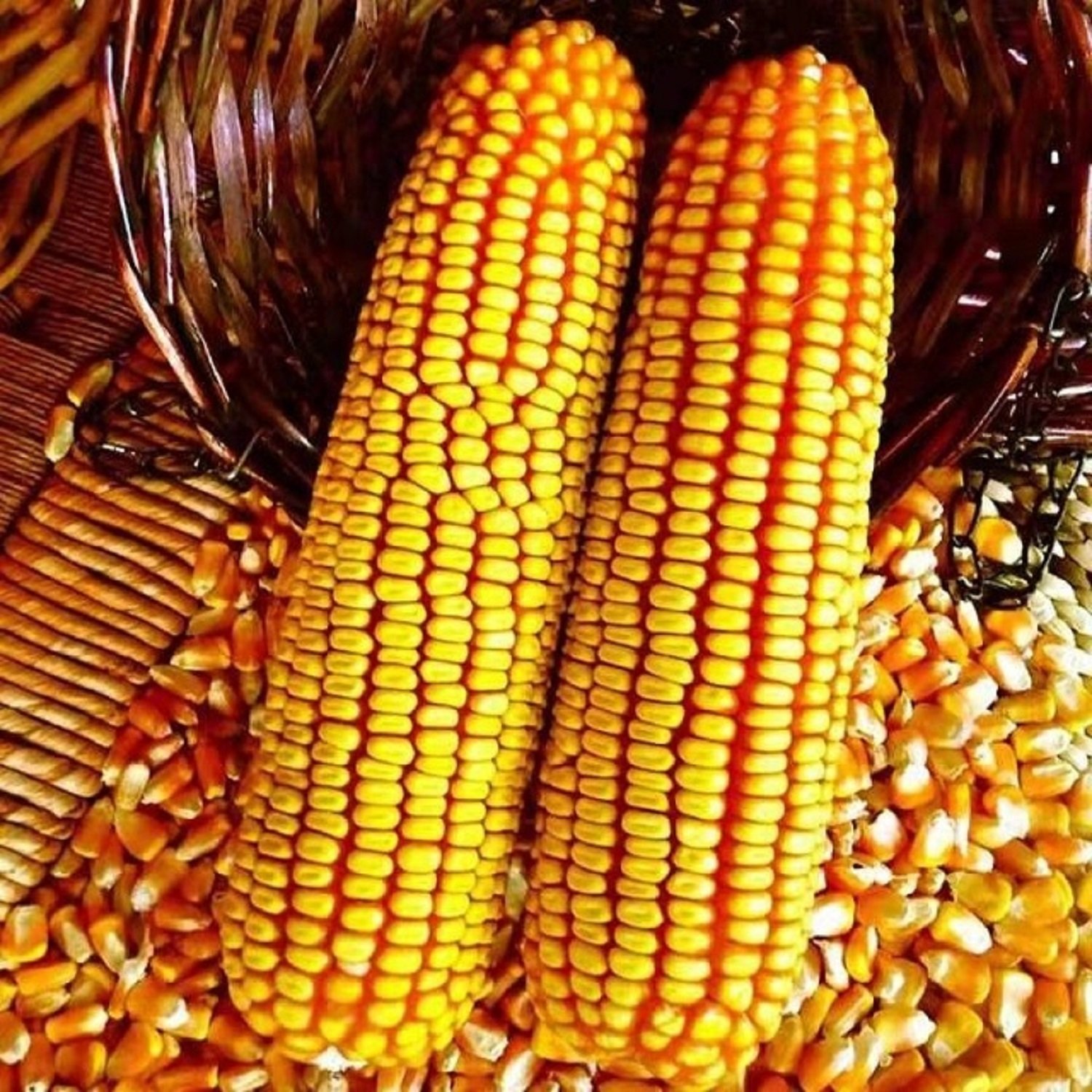
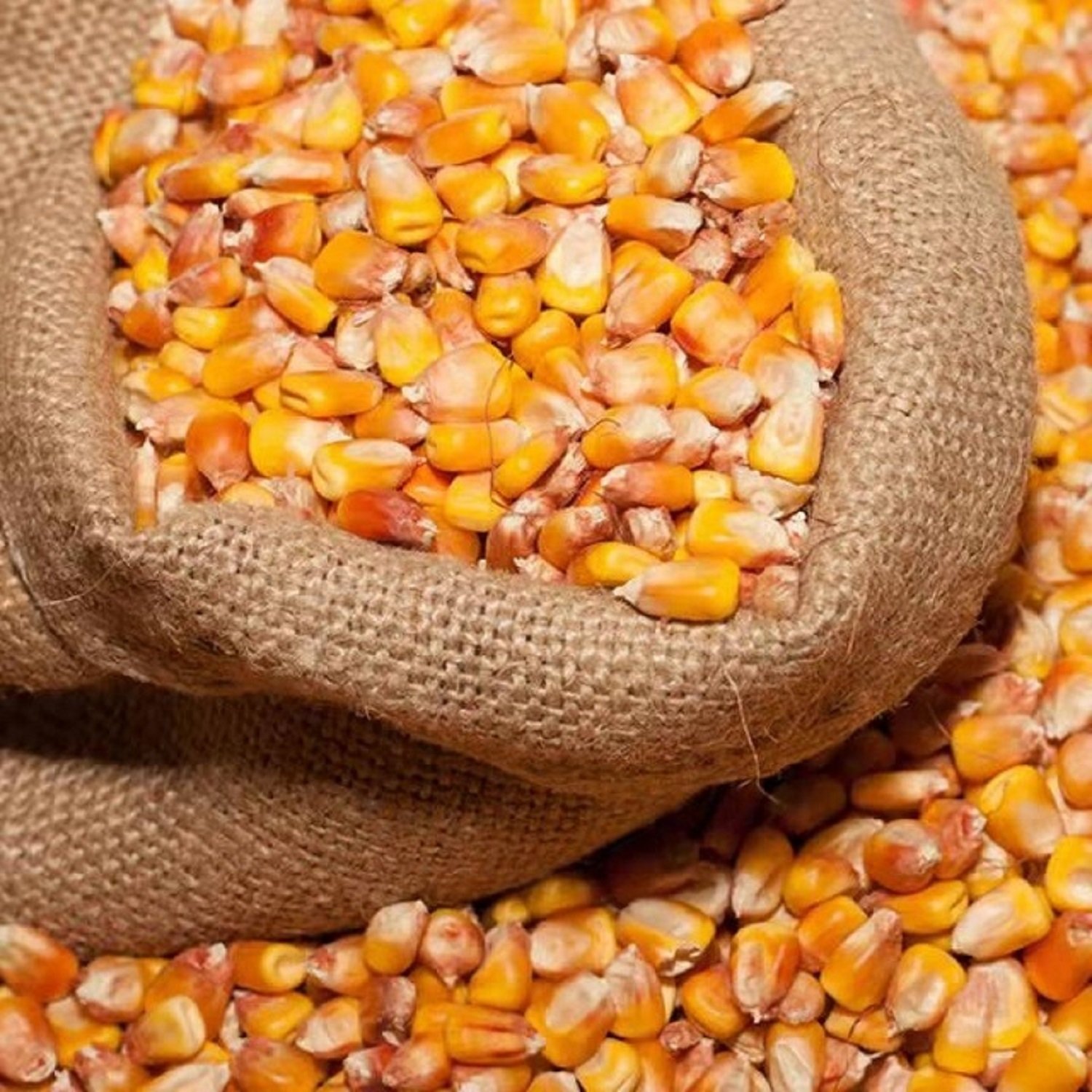
Yellow Corn is one of the world’s most important agricultural commodities, valued for its versatility, nutritional characteristics, energy content, and broad range of applications. Also known as yellow maize, this cereal grain is widely used by food manufacturers, livestock producers, poultry feed mills, grain traders, starch processors, wholesalers, and industrial manufacturers.
At RKGCLDS, we understand that international buyers require agricultural commodities that offer consistency, dependable supply, suitable packaging, and professional export handling. Our objective is to connect qualified buyers with reliable agricultural products suitable for their specific commercial requirements.
Yellow maize is particularly valued because it can serve multiple markets simultaneously. Whole kernels may be used in grain trading and processing, while milled maize can be transformed into flour, meal, grits, starch, and other ingredients. The grain is also an important energy source in poultry, cattle, pig, and other livestock feed formulations.
According to international maize standards, yellow maize is distinguished partly by kernel color, and Codex standards provide internationally recognized quality parameters for maize. The Codex standard allows yellow maize to contain no more than 5% by weight of maize of other colours.
For additional information about our company and available agricultural commodities, buyers can visit the RKGCLDS official website.
2. Premium Quality and Product Characteristics
Our Yellow Corn offering is intended for commercial buyers seeking dependable grain quality for food, feed, and industrial applications. Product specifications can be discussed and confirmed according to the buyer’s intended use, destination market, applicable regulations, and contract requirements.
High-quality maize is normally evaluated according to several characteristics, including moisture, foreign matter, broken kernels, damaged kernels, grain colour, test weight, infestation, mould, and mycotoxin levels.
Key Product Characteristics
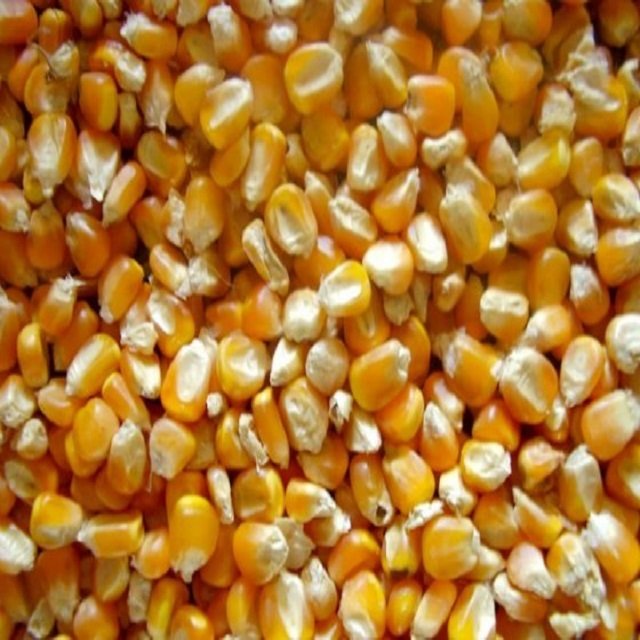
- Natural yellow or golden-yellow kernel appearance
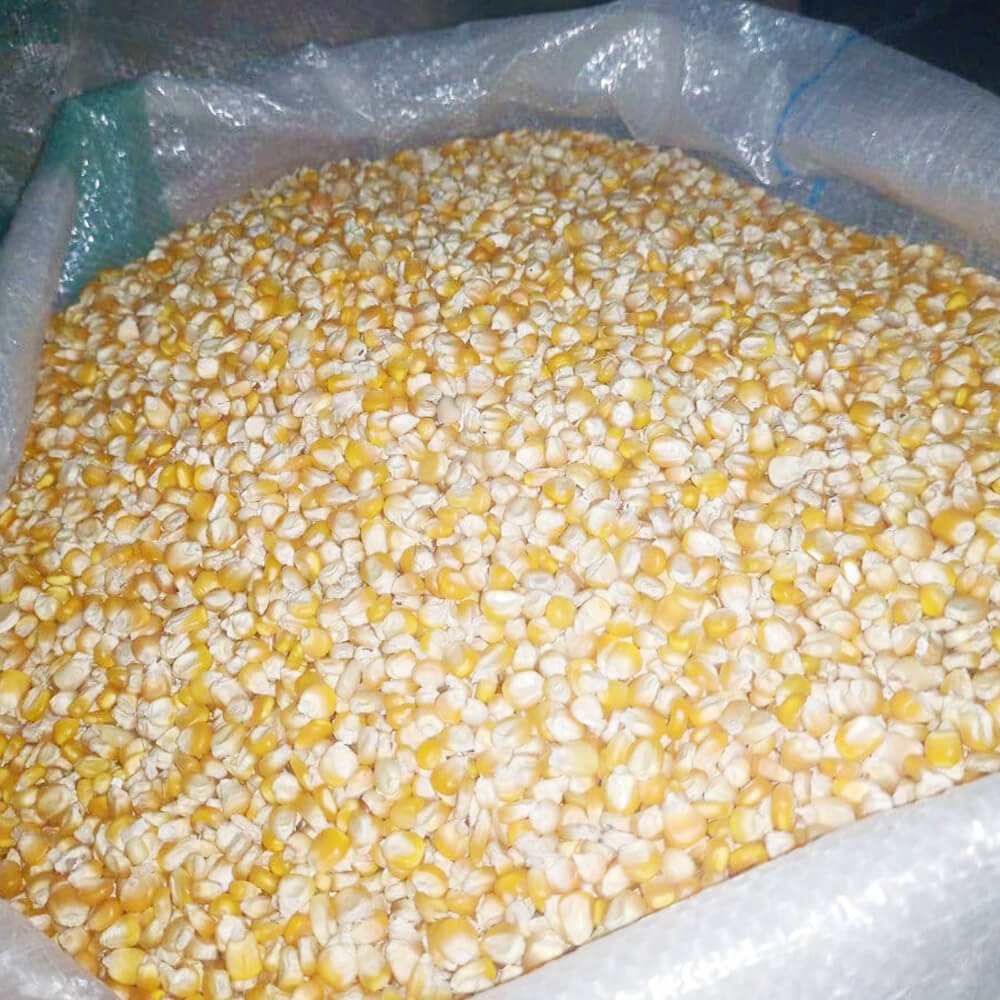
- Clean and properly dried grain
- Suitable for bulk commodity trading
- Appropriate for animal feed applications
- Suitable for milling and food processing
- Suitable for industrial processing
- Available according to agreed commercial specifications
- Professional export preparation
- Flexible packaging options
- Bulk quantities available subject to contract
- Quality documentation available according to transaction requirements
Maize quality standards differ according to destination country and intended use. Therefore, buyers should always specify their required standards before concluding a purchase contract.
The FAO explains that moisture has an important influence on maize storage quality, processing performance, and economic value.
3. Nutritional and Functional Value
Yellow Corn provides a valuable combination of carbohydrates, starch, protein, oil, fibre, minerals, and other naturally occurring nutrients. Its high starch content makes it particularly useful in animal nutrition and industrial processing.
The exact nutritional composition varies according to variety, growing conditions, harvest, storage, and testing methodology. A recent U.S. Grains Council export quality report, for example, reported average export corn protein of 8.6%, starch of 72.1%, and oil of 3.9% for the 2024/2025 crop.
Nutritional Attributes
The grain can contribute:
- Dietary carbohydrates
- Starch
- Plant protein
- Natural oils
- Dietary fibre
- Minerals
- B-complex vitamins
- Naturally occurring carotenoids
Because of its nutritional profile and processing flexibility, yellow maize is widely incorporated into animal feed formulations and food products.
For food manufacturers, the grain can be processed into cornmeal, maize flour, grits, starch, breakfast cereals, snacks, and other food ingredients. For feed manufacturers, its starch and energy value make it an important component of balanced feed formulations.
4. Applications in Animal Feed
One of the largest commercial applications for Yellow Corn is animal nutrition. Poultry producers, cattle farms, pig farms, feed mills, and aquaculture businesses use maize as an important energy ingredient in compound feed.
The grain can be incorporated into rations after appropriate processing, including grinding, cracking, milling, or other preparation methods.
Poultry Feed
Maize is widely used in poultry diets because of its energy contribution and carbohydrate content. It can form an important component of feed formulations for:
- Broilers
- Layers
- Breeding birds
- Turkeys
- Other poultry
Feed manufacturers may combine maize with protein sources, minerals, vitamins, oils, and other ingredients to create balanced feed.
Cattle Feed
Maize can also be incorporated into cattle feed programs. Depending on the production system, the grain may be used in feed concentrates, mixed rations, or other formulated livestock diets.
Pig Feed
Swine feed manufacturers use maize as an energy-rich cereal ingredient. Proper formulation allows nutritionists to combine maize with protein and mineral ingredients according to the age and production requirements of the animals.
Aquaculture Feed
Processed maize products can also be used in selected aquaculture feed formulations, subject to nutritional formulation and species-specific requirements.
These applications make Yellow Corn an important commodity for feed manufacturers seeking reliable cereal ingredients.
5. Applications in Food Processing
Beyond animal nutrition, Yellow Corn is an important raw material for the human food industry. It can be processed into numerous products depending on grain variety, milling technology, and end-use requirements.
Maize Flour and Meal
The grain can be milled into maize flour or meal for use in traditional and modern food products. Maize flour may be used in porridges, baked products, snacks, and other preparations.
Corn Grits
Grits can be used in breakfast cereals, snack manufacturing, brewing, and other food applications.
Corn Starch
The starch fraction is commercially important because maize starch can be used as a thickening, binding, stabilizing, or processing ingredient.
Breakfast Cereals
Processed maize is widely used in cereal manufacturing. Depending on the manufacturing process, the grain may be milled, cooked, extruded, dried, or otherwise processed.
Snacks
Maize is also used in numerous snack products, including extruded snacks, corn-based chips, and other processed foods.
Traditional Foods
Across Africa and other maize-producing regions, maize is an important staple ingredient used to prepare porridge, meals, fermented products, and other traditional foods.
The versatility of maize processing gives international buyers multiple opportunities to add value after importation.
6. Industrial Applications
The commercial value of Yellow Corn extends beyond food and feed. Maize is also an important raw material for several industrial processes.
Starch Manufacturing
Maize starch is used in food, paper, textile, pharmaceutical, and other industrial applications. Starch extraction allows processors to separate valuable components of the grain for specialized uses.
Ethanol Production
Maize can serve as a feedstock for ethanol production. Through fermentation and subsequent processing, the starch component can be converted into ethanol.
Corn Oil
Maize germ contains oil that can be extracted and refined for food and industrial applications.
Brewing and Fermentation
Processed maize can be incorporated into brewing and fermentation operations depending on the manufacturing process.
Industrial Ingredients
Maize-derived ingredients are used in numerous manufacturing sectors because of their functional characteristics and availability.
For businesses purchasing agricultural commodities at scale, this broad range of applications can make maize an attractive raw material for diversified operations.
7. Quality Control and Food Safety
Quality assurance is essential when purchasing agricultural commodities internationally. At RKGCLDS, product requirements should be clearly established before shipment so that specifications, documentation, packaging, and inspection procedures are aligned with the buyer’s requirements.
Important quality parameters can include:
| Quality Parameter | Typical Commercial Consideration |
|---|---|
| Colour | Natural yellow/golden-yellow |
| Moisture | Agreed according to contract and destination |
| Foreign Matter | Controlled according to agreed specification |
| Broken Kernels | Controlled according to contract |
| Damaged Kernels | Controlled according to contract |
| Insect Damage | Should be minimized/controlled |
| Mould | Should be absent or within applicable limits |
| Aflatoxin | Must comply with destination-market requirements |
| Odour | Natural, free from objectionable odours |
| Packaging | Buyer-approved packaging |
| Documentation | Commercial and regulatory documents as applicable |
The Codex standard for maize provides limits and methods covering characteristics such as broken kernels, damaged grains, other grains, and kernels of other colours.
Food safety is particularly important because maize can be affected by mycotoxins if harvested, dried, transported, or stored under unsuitable conditions. Buyers should therefore request appropriate laboratory documentation where required by the destination country.
8. Export Specifications
Yellow Corn specifications should be agreed before shipment because requirements vary by buyer, application, destination, and regulatory environment.
A commercial specification may include:
- Product: Yellow maize/corn
- Form: Whole dried kernels
- Colour: Yellow
- Moisture: According to agreed specification
- Foreign matter: According to agreed specification
- Broken kernels: According to agreed specification
- Damaged kernels: According to agreed specification
- Test weight: According to contract
- Aflatoxin: According to importing-country requirements
- GMO status: To be declared according to the actual product and contract
- Crop year: To be confirmed
- Origin: To be confirmed in commercial documentation
- Packaging: Bulk or bags according to buyer requirements
There is no single specification suitable for every market. For example, published commercial specifications can differ substantially between food-grade and feed-grade maize, particularly regarding moisture, foreign matter, damaged kernels, and mycotoxin limits.
Consequently, buyers should communicate their destination country and intended application before requesting a final quotation.
9. Packaging and Bulk Supply
Our Yellow Corn supply can be discussed in packaging formats suitable for wholesale, distribution, manufacturing, and international commodity trading.
Possible Packaging Formats
Depending on the contract, buyers may request:
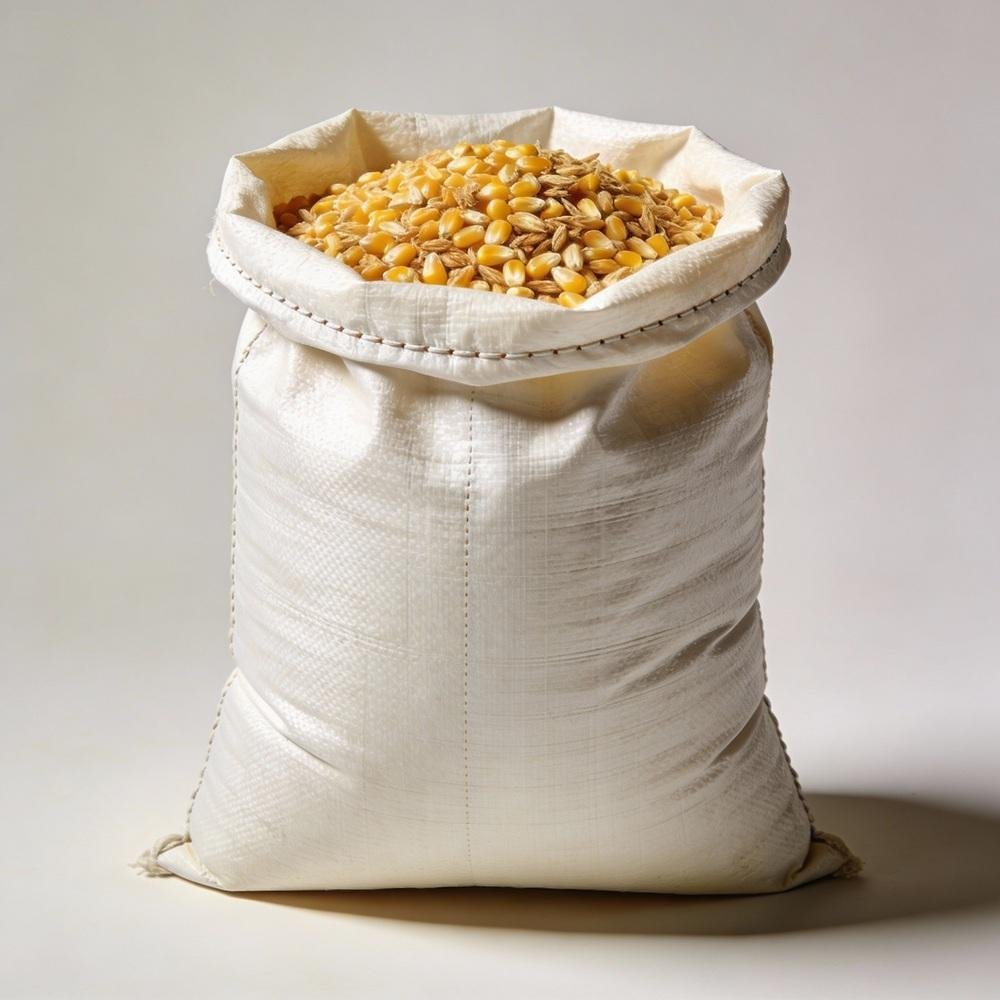
- 25 kg bags
- 50 kg bags
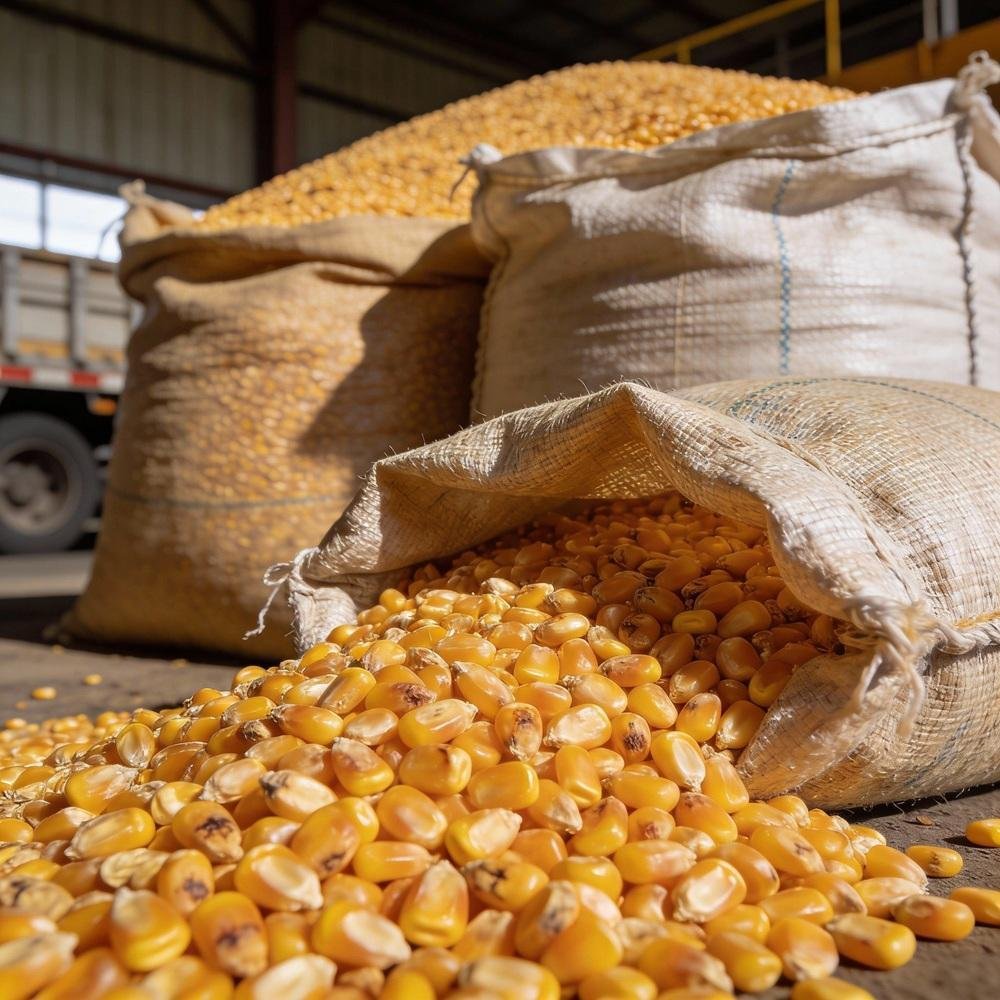
- 1 MT jumbo bags
- Bulk shipment
- Containerized shipment
- Customized commercial packaging
Packaging should protect the grain from excessive moisture, contamination, insects, physical damage, and other factors that can reduce quality during transportation.
For large commercial transactions, bulk shipment can provide operational advantages by reducing handling and packaging costs. However, the preferred logistics solution depends on the buyer’s warehouse, port, customs requirements, and distribution system.
10. Storage and Handling
Proper storage is essential for preserving maize quality after harvest and during transportation.
The recommended storage environment should be:
- Clean
- Dry
- Cool
- Well ventilated
- Protected from rain and moisture
- Protected from pests
- Free from strong odours
- Suitable for food or feed commodities
Bags should not be placed directly against damp floors or walls. Adequate ventilation and appropriate stacking procedures can help reduce moisture accumulation.
The FAO notes that moisture has a significant impact on maize quality changes during storage and processing.
Buyers should also inspect storage areas regularly for insects, rodents, condensation, mould, and other potential quality risks.
11. Global Supply and International Trade
Yellow Corn is traded internationally as a food ingredient, feed commodity, milling raw material, and industrial input.
International buyers may include:
- Grain importers
- Commodity traders
- Feed mills
- Poultry companies
- Livestock farms
- Food manufacturers
- Milling companies
- Starch manufacturers
- Distributors
- Wholesalers
- Agricultural processors
A successful international transaction requires more than simply agreeing on price. Buyers and sellers should establish the product specification, quantity, packaging, delivery terms, payment method, inspection requirements, documentation, shipment schedule, and destination-country regulations.
Depending on the transaction, commercial documentation may include invoices, packing information, certificates of origin, phytosanitary certificates, laboratory analysis, inspection reports, and other documents required by the importing country.
RKGCLDS can work with buyers to establish transaction requirements before order confirmation.
12. Why Choose RKGCLDS
RKGCLDS is positioned to serve businesses looking for agricultural commodities and international trade solutions.
Our approach focuses on:
Professional Communication
International commodity transactions require clear communication. Buyers can communicate their desired quantity, specification, destination, packaging, and application for evaluation.
Buyer-Oriented Specifications
Different customers have different requirements. Food processors may require different parameters from animal-feed manufacturers. Specifications can therefore be discussed according to the intended application.
Commercial Supply
We focus on wholesale and commercial buyers rather than only small retail quantities.
Export Preparation
Agricultural commodities require careful preparation before shipment. Cleaning, grading, packaging, documentation, and logistics should be coordinated according to the contract.
International Market Focus
Our objective is to support buyers seeking dependable agricultural commodity supply for international markets.
For company information and business inquiries, visit the RKGCLDS website.
13. Purchasing and Trade Requirements
When requesting a quotation for Yellow Corn, buyers should provide sufficient information to enable accurate commercial evaluation.
Information Buyers Should Provide
- Required quantity
- Intended application
- Food-grade or feed-grade requirement
- GMO or non-GMO requirement
- Required moisture level
- Destination country
- Port of delivery
- Preferred packaging
- Required inspection procedure
- Preferred Incoterm
- Required shipment schedule
- Required certificates and documentation
Providing these details helps suppliers determine whether the requested specification can be matched.
Bulk Buyers
For wholesale and industrial buyers, purchasing in larger quantities can simplify supply planning and reduce repeated procurement activity. Contract quantities should be confirmed according to actual availability and agreed commercial terms.


Reviews
There are no reviews yet.