
Copper Cathode — Definition
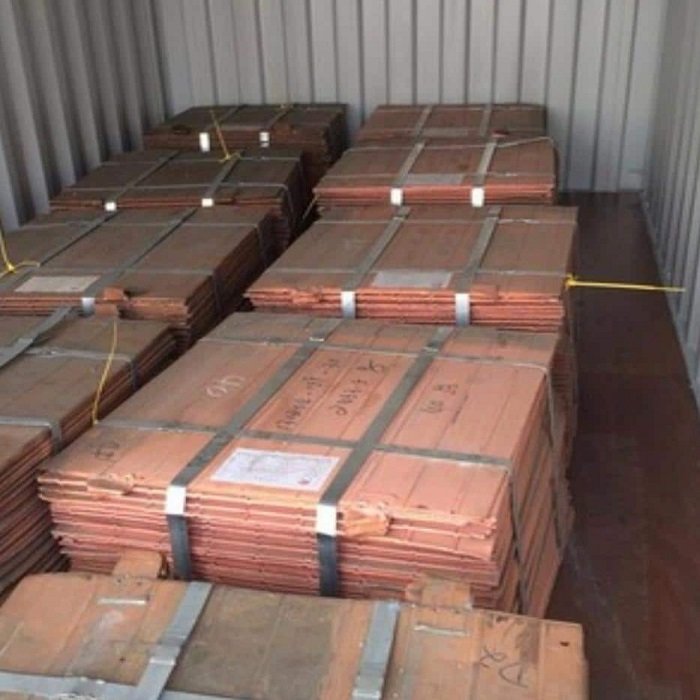
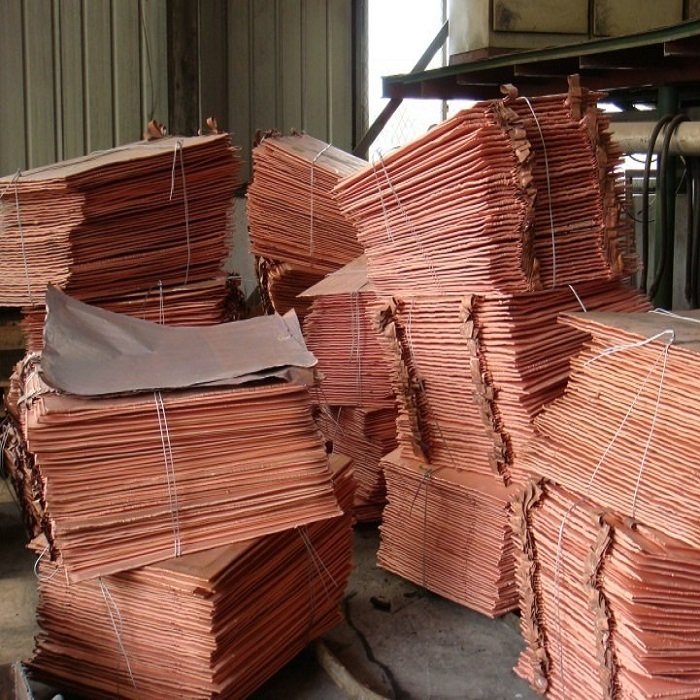
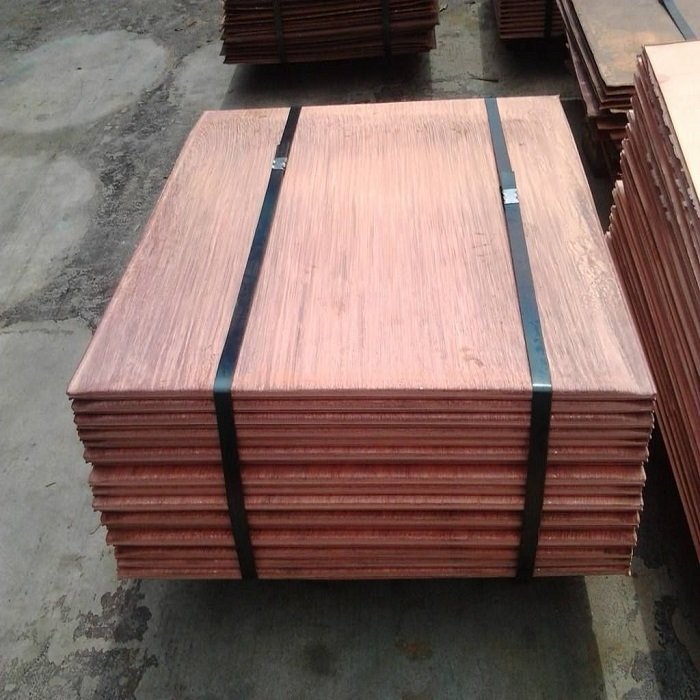
Copper cathode is a high-purity form of refined copper produced through an electrolytic process. It is normally supplied as large, flat rectangular plates and is the principal raw material used to manufacture copper wire rod, electrical wire, cables, tubes, sheets and other copper products.
Copper cathode can be produced by either:
Electrorefining — refining copper anodes produced from copper concentrates.
Electrowinning — recovering copper from a copper-bearing solution.
The current ASTM B115-24 standard specifically covers electrolytic copper cathode produced by both electrorefining and electrowinning.
Typical Commercial Specification
For international trade, a common premium specification is Copper Cathode Grade A / Cu-CATH-1, generally described as approximately 99.99% copper.
The London Metal Exchange’s Grade A requirements recognize refined electrolytic copper conforming to standards including BS EN 1978 Cu-CATH-1, GB/T 467 Cu-CATH-1, or ASTM B115 Grade 1.
Example chemical specification
Element Maximum content
Copper (Cu) 99.9935% minimum
Selenium (Se) 0.0002%
Tellurium (Te) 0.0002%
Bismuth (Bi) 0.00010%
Antimony (Sb) 0.0004%
Lead (Pb) 0.0005%
Arsenic (As) 0.0005%
Iron (Fe) 0.0010%
Nickel (Ni) 0.0010%
Tin (Sn) 0.0005%
Sulfur (S) 0.0015%
Silver (Ag) 0.0025%
Total listed impurities 0.0065% maximum
These figures are from the LME-published chemical composition for material identified against ASTM B115-10(2021), so for a commercial contract you should specify the exact standard/version and certificate requirements, rather than treating every “99.99%” cathode as identical.
Physical specification
A commercial copper cathode specification normally includes:
Product: Electrolytic Copper Cathode
Grade: Grade A / Cu-CATH-1 / ASTM B115 Grade 1, as applicable
Purity: approximately 99.99% Cu
Form: rectangular flat cathode plates
Surface: clean, metallic copper appearance
Condition: free from excessive foreign material, dirt, grease and oil
Packaging: strapped/bundled for safe handling
Origin: to be declared
Brand/refinery: to be declared
Weight: individual bundle and total shipment weight
Inspection: independent inspection/assay where required
Certificate: Certificate of Analysis (COA) and relevant quality certificate
ASTM B115 also requires cathodes to withstand ordinary handling without breakage or excessive separation of nodules and to be substantially free of foreign materials.
Main applications
Copper cathode is primarily purchased by manufacturers and processors for:
Electrical wire and cable
Copper wire rod
Transformers
Electric motors and generators
Electrical connectors
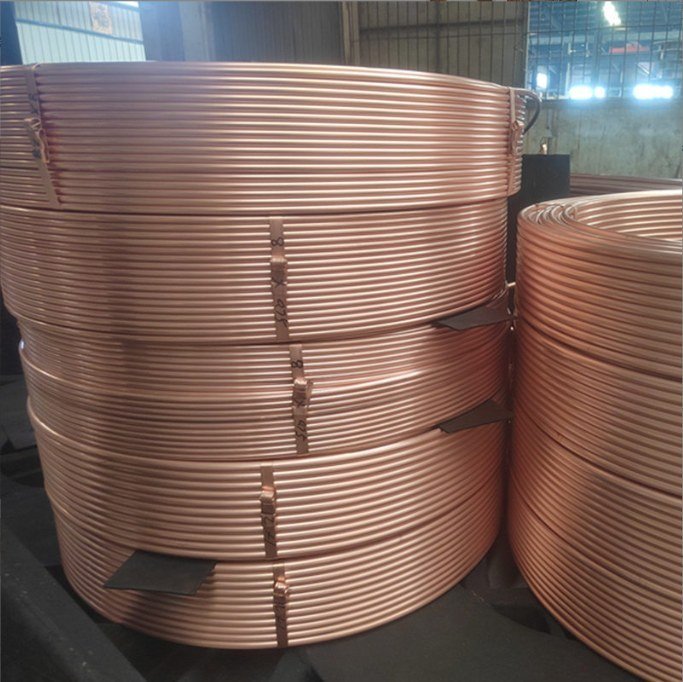
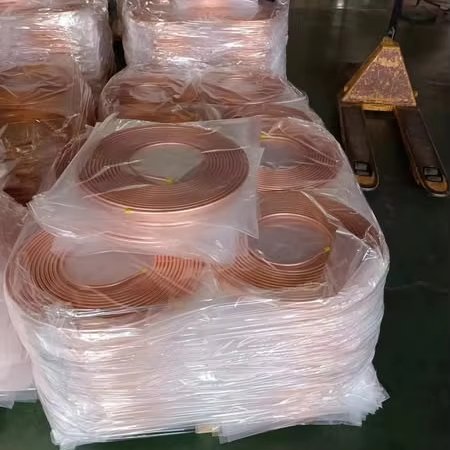
Copper tubes and pipes
Copper sheets and plates
Industrial equipment
Renewable-energy equipment
Automotive and electrical/electronic components
The reason for the high purity requirement is copper’s excellent electrical and thermal conductivity.


Reviews
There are no reviews yet.